Semiconductor Industry
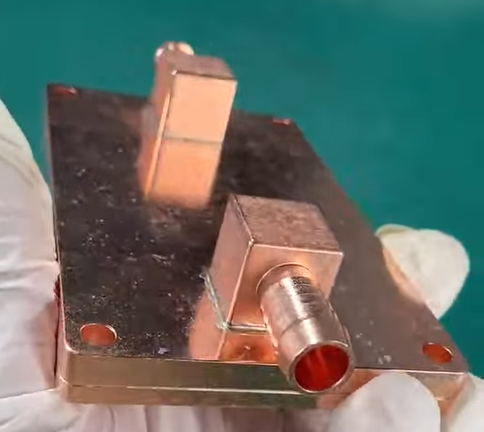
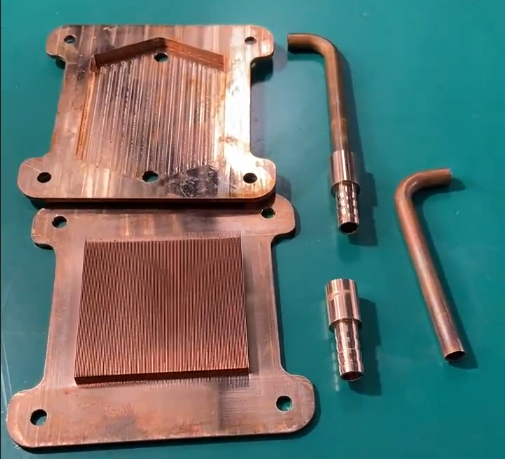
Vacuum brazing is essential in the semiconductor industry, where ultra-clean, high-precision bonding is required for the fabrication of advanced electronic components. It is widely used in the production of heat sinks, sensor housings, wafer processing tools, and vacuum chamber assemblies. The process enables the joining of dissimilar metals and complex structures without introducing flux or contaminants, making it ideal for maintaining the ultra-high vacuum and purity levels demanded in semiconductor environments. Vacuum brazing ensures superior thermal conductivity, structural integrity, and leak-tight sealing—critical for temperature-sensitive and high-performance semiconductor devices.

Articles

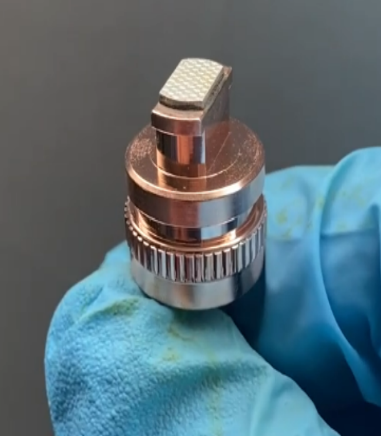
Ceramic Soldering of Stainless Steel and Gold-Plated Stainless Steel Pins for High-Reliability Components
Metal-to-ceramic assemblies are critical in industries where electrical insulation, corrosion resistance, and long-term reliability are essential.

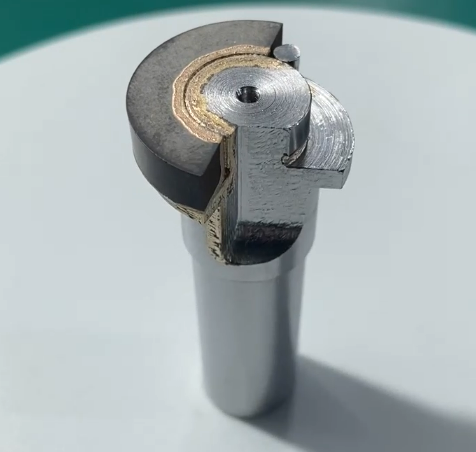
Finished Products Welded from Tungsten Steel and Mold Steel for High-Performance Tooling
Tooling and mold components operate under severe mechanical stress, abrasion, and thermal cycling. To achieve long service life and consistent performance, manufacturers often combine tungsten steel with mold steel in critical areas of finished products.

Vacuum Brazing of 304 Stainless Steel and Oxygen-Free Copper for Industrial Applications
The combination of 304 stainless steel and oxygen-free copper is widely used in industrial systems where corrosion resistance, mechanical strength, and high conductivity must coexist.

Vacuum Brazing of 304 Stainless Steel and Oxygen-Free Copper for Semiconductor Manufacturing
Discover how Normantherm vacuum furnaces help Indian manufacturers vacuum braze 304 stainless steel and oxygen-free copper with high precision, reliability, and optimal thermal performance.

Oxygen-Free Copper Welded Finished Products for High-Conductivity Applications
Oxygen-free copper is a critical material in industries where electrical and thermal performance cannot be compromised. Its extremely low oxygen content ensures superior conductivity, making it ideal for power, electronics, and thermal management applications.