Aerospace Industry
Vacuum brazing is a vital process in the aerospace industry, where precision, strength, and reliability are non-negotiable. It is extensively used in the production of turbine blades, heat exchangers, fuel system components, jet engine parts, and structural assemblies that must withstand extreme temperatures and mechanical stress. The process enables the joining of dissimilar metals and intricate assemblies without the use of flux, eliminating the risk of contamination and ensuring the highest levels of cleanliness. This is crucial in aerospace applications, where even microscopic impurities can compromise performance or safety.

Articles

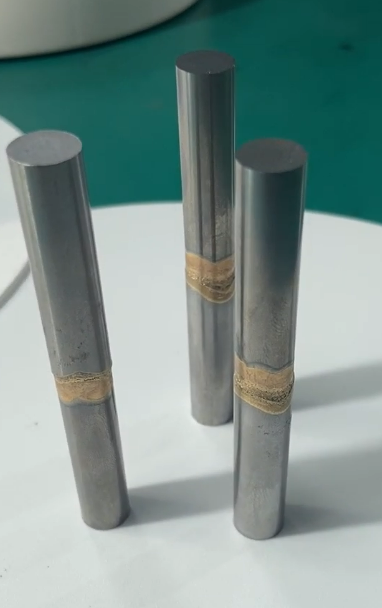
Vacuum brazing of carbon steel with stainless steel
Vacuum brazing of carbon steel with stainless steel is an advanced joining process widely used in industrial, automotive, aerospace, and precision engineering applications where high-strength and leak-free assemblies are required.

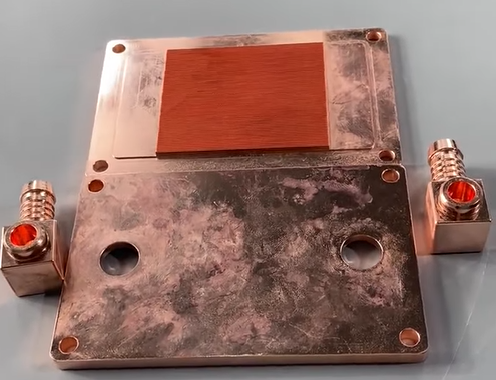
Vacuum brazing of copper water-cooled plates
Vacuum brazing of copper water-cooled plates is a highly specialized joining process used in industries requiring efficient thermal management, such as semiconductor manufacturing, power electronics, laser systems, and industrial automation.

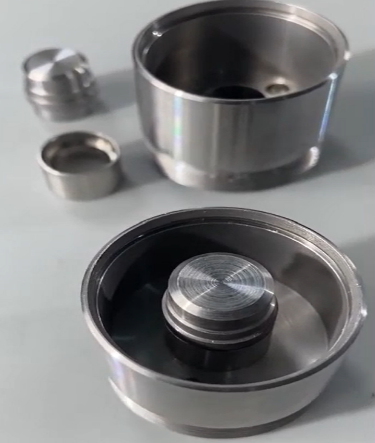
Vacuum Brazing of 316L Stainless Steel and TC4 Titanium Alloy for High-Performance Applications
The combination of stainless steel and titanium alloys is increasingly used in industries requiring high strength, corrosion resistance, and lightweight performance. Among these, 316L stainless steel and TC4 titanium alloy are widely recognized for their complementary properties.

Vacuum Brazing of Stainless Steel Impeller – Finished Product
Vacuum brazing is an advanced and highly reliable process used in the manufacturing of stainless steel impeller finished products, commonly applied in pumps, compressors, turbines, and high-performance fluid handling systems.

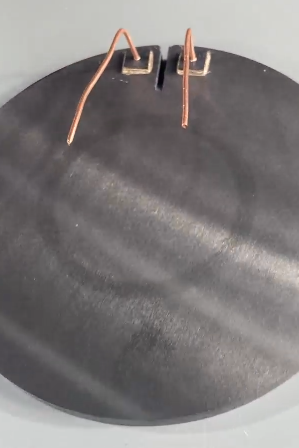
Stainless Steel and Gold-Plated Stainless Steel Pins with Ceramic Vacuum Brazing
Ceramic vacuum brazing is an advanced joining technology used to bond stainless steel and gold-plated stainless steel pins with ceramic components in applications requiring high precision, electrical reliability, and long-term stability.