Tools and dies Industry
Vacuum brazing is widely applied in the tools and dies industry for manufacturing high-performance components such as cutting tools, grinding wheels, stamping dies, extrusion dies, and injection molds. It is especially valuable in the production of diamond tools, including diamond saw blades, grinding wheels, rollers, drill bits, engraving knives, beads, and grinding heads, used across woodworking, stone processing, glass cutting, and construction industries. These vacuum-brazed tools are crucial across sectors such as automotive, aerospace, electronics, metallurgy, geology, military, and infrastructure, where precision, strength, and durability are essential.

Articles

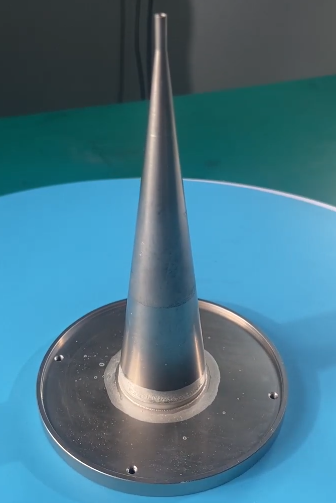
Vacuum Welding of Tungsten Steel, Mold Steel, and Stainless Steel for High-Performance Industrial Components
Modern industrial components often require a combination of hardness, strength, wear resistance, and corrosion protection. To achieve these performance requirements, manufacturers increasingly combine tungsten steel, mold steel, and stainless steel into a single assembly.

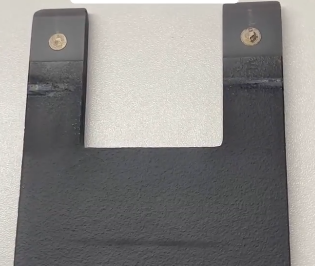
316L Stainless Steel Heat Treatment for Shaping, Hardening & Grain Optimization
316L stainless steel is known for excellent corrosion resistance but its mechanical properties depend heavily on heat treatment. Without proper thermal processing the material may not shape well during forming lack sufficient hardness for certain applications.

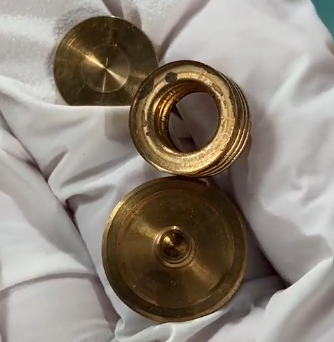
Copper Welded Finished Product
A copper welded finished product looks seamless. That is the point. Precision welding transforms separate copper components into a single assembly that performs like it was made from one piece.

Copper Welded Finished Products for High-Performance Industrial Applications
Copper is one of the most widely used engineering materials in industries requiring excellent electrical conductivity, thermal efficiency, and reliable mechanical performance.

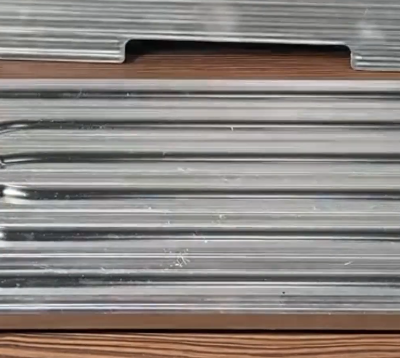
Welding of Carbon Steel and Stainless Steel
Carbon steel brings strength and affordability. Stainless steel delivers corrosion resistance and durability. Welding them together gives you a component that balances cost and performance without compromising either material's best qualities.