Tools and dies Industry
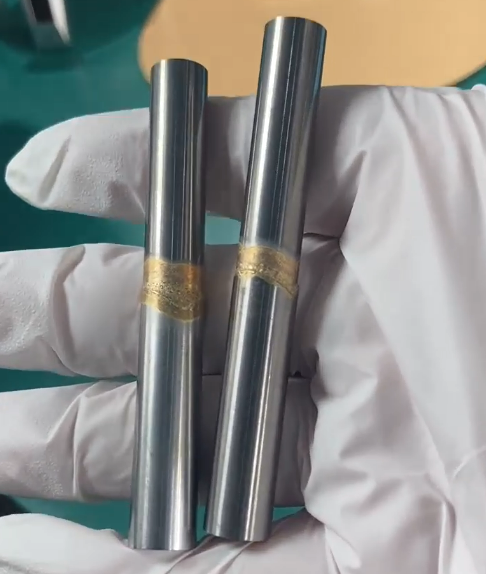
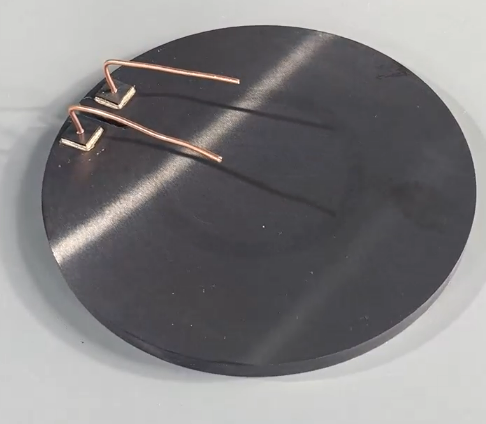
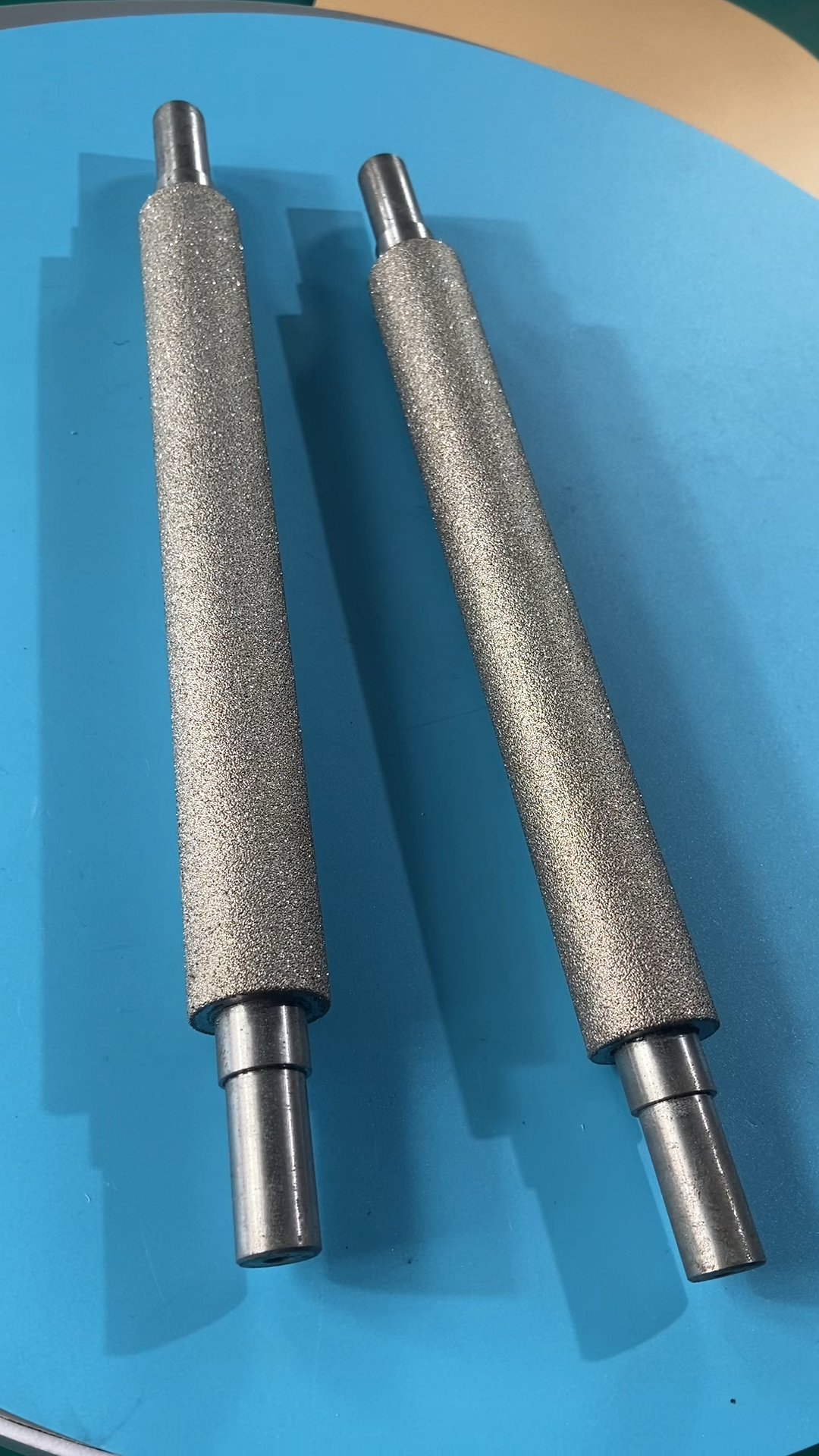
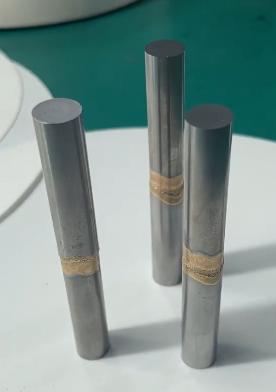
Vacuum brazing is widely applied in the tools and dies industry for manufacturing high-performance components such as cutting tools, grinding wheels, stamping dies, extrusion dies, and injection molds. It is especially valuable in the production of diamond tools, including diamond saw blades, grinding wheels, rollers, drill bits, engraving knives, beads, and grinding heads, used across woodworking, stone processing, glass cutting, and construction industries. These vacuum-brazed tools are crucial across sectors such as automotive, aerospace, electronics, metallurgy, geology, military, and infrastructure, where precision, strength, and durability are essential.

Articles

Heat Treatment of Brass for Improved Strength, Ductility and Workability
Heat treatment of brass is an important metallurgical process used to improve the mechanical and structural properties of brass alloys, which are mainly composed of copper and zinc.

DT4C Electrical Pure Iron Heat Treatment for High-Performance Soft Magnetic Applications
DT4C heat treatment is performed in a vacuum or hydrogen atmosphere to prevent oxidation and surface contamination. During heating, internal stresses caused by wire drawing, machining, or forming are effectively removed.

Vacuum Quenching of 420 Stainless Steel for Increased Hardness
420 stainless steel is a martensitic stainless steel known for its ability to achieve high hardness while maintaining moderate corrosion resistance.

Heat Treatment of Tin Bronze for Bearing and Industrial Applications
Tin bronze alloys are extensively used in bearings, bushings, gears, valve parts, and wear-resistant components due to their excellent load-carrying capacity, corrosion resistance, and anti-friction properties.

Vacuum Welding of Titanium Alloy TC4 and Cemented Carbide YG10
The combination of titanium alloy TC4 (Ti-6Al-4V) and cemented carbide YG10 forms a powerful composite material used widely in cutting tools, wear-resistant inserts, forming tools, and high-precision machining components.