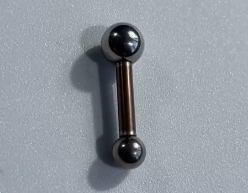
Cemented Carbide Balls and Stainless Steel Welded
Cemented carbide balls welded with stainless steel combine extreme hardness with structural strength to create high-performance components for demanding industrial environments.
READ MORE
Home>Industry>Tools and dies Industry
Vacuum brazing is widely applied in the tools and dies industry for manufacturing high-performance components such as cutting tools, grinding wheels, stamping dies, extrusion dies, and injection molds. It is especially valuable in the production of diamond tools, including diamond saw blades, grinding wheels, rollers, drill bits, engraving knives, beads, and grinding heads, used across woodworking, stone processing, glass cutting, and construction industries. These vacuum-brazed tools are crucial across sectors such as automotive, aerospace, electronics, metallurgy, geology, military, and infrastructure, where precision, strength, and durability are essential.

Cemented carbide balls welded with stainless steel combine extreme hardness with structural strength to create high-performance components for demanding industrial environments.
READ MORE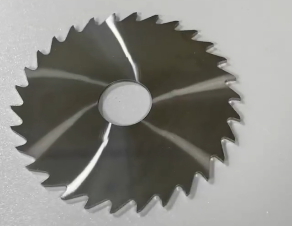
Tungsten carbide saw blades manufactured using advanced vacuum brazing technology deliver exceptional sharpness strong bonding integrity and long-lasting durability.
READ MORE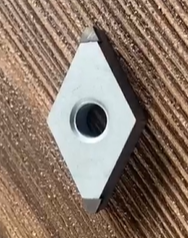
Vacuum brazing of CBN tools is a critical manufacturing process for producing high-performance cutting tools used in precision machining and heavy-duty industrial applications.
READ MORE
Tin bronze heat treatment is a controlled thermal process used to enhance mechanical strength improve wear resistance and stabilize the microstructure of precision components.
READ MORE