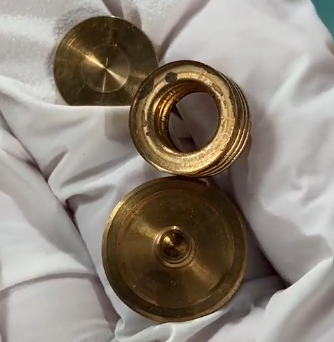
Tin bronze heat treatment is a controlled thermal process used to enhance mechanical strength improve wear resistance and stabilize the microstructure of precision components. Tin bronze alloys are widely valued for their excellent corrosion resistance good bearing properties and reliable performance in friction applications. Proper heat treatment further optimizes these characteristics for demanding industrial environments.
The process typically involves carefully regulated heating soaking and controlled cooling cycles to refine grain structure relieve internal stresses and improve hardness. Precise temperature control ensures uniform mechanical properties while maintaining dimensional stability. This is especially important for bushings bearings gears and other load-bearing components.
Heat-treated tin bronze components deliver improved fatigue resistance reduced deformation under load and extended service life. They are widely used in marine equipment heavy machinery power transmission systems and industrial assemblies where durability reliability and consistent performance are critical.
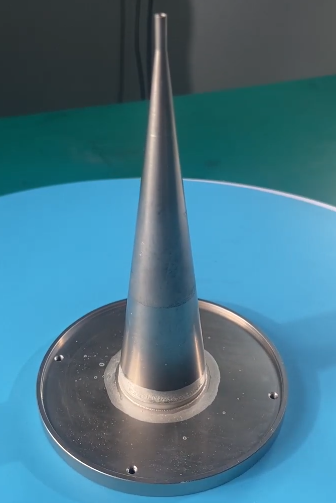
An ion source sampling cone sits at the front line of mass spectrometry. It faces high temperatures corrosive gases and constant mechanical stress. The weld quality determines whether the cone delivers accurate results or becomes a source of contamination and drift.
Beryllium copper is a high-performance copper alloy widely used in industries requiring a unique combination of electrical conductivity, strength, elasticity, and wear resistance.
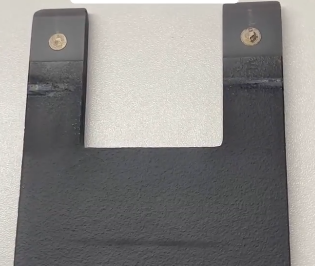
Silver contacts on silicon nitride ceramic heating plates take a beating. High temperatures thermal cycling and mechanical stress eventually take their toll. When the contact degrades heating performance suffers.