Vacuum Welding of 45 Steel and PDC for High-Performance Drilling Tools
Normantherm•6/5/2026
The demand for durable and wear-resistant tooling continues to increase in industries such as mining, oil and gas, construction, and precision machining. To achieve superior cutting and drilling performance, manufacturers increasingly combine 45# steel with PDC (Polycrystalline Diamond Compact).
Vacuum welding has become a preferred joining technology for creating reliable and high-performance PDC tooling components.
Why Combine 45# Steel and PDC?
45# Steel is widely used because of its excellent strength, machinability, and toughness.
Polycrystalline Diamond Compact (PDC) is known for its extreme hardness, wear resistance, and outstanding cutting efficiency.
By combining these materials, manufacturers can create components that offer:
Strong structural support from steel
Superior wear resistance from PDC
Improved cutting and drilling efficiency
Extended service life in harsh environments
This combination is especially valuable for high-load industrial applications.
Challenges in Welding PDC with Steel
Joining PDC with steel requires advanced process control due to major differences in material behavior.
Common challenges include:
Risk of thermal damage to PDC material
Thermal expansion mismatch between steel and diamond composite
Oxidation during heating
Difficulty achieving stable and durable bonding
Without precise processing, tooling performance and reliability may be compromised.
Why Vacuum Welding Is the Preferred Solution
Vacuum welding provides a clean, controlled, and oxygen-free environment for joining PDC with steel.
Key advantages include:
Oxidation-Free Processing
The vacuum environment prevents contamination and oxidation during welding.
Controlled Thermal Processing
Precise temperature control minimizes thermal damage to PDC.
Strong Metallurgical Bonding
Reliable joining improves tool strength and durability.
High Production Consistency
Vacuum furnace systems ensure repeatable quality across batches.
These advantages are critical for high-performance drilling and cutting tools.
Performance Benefits of Finished PDC Assemblies
Finished products made from 45# steel and PDC provide:
Exceptional wear resistance
High cutting efficiency and durability
Reliable structural strength under heavy loads
Longer service life and reduced maintenance
Stable performance in extreme operating conditions
These benefits improve productivity and operational reliability.
Applications in India’s Industrial Sectors
In India, PDC and steel welded assemblies are widely used in:
Oil and gas drilling systems
Mining and excavation tools
Construction drilling equipment
Wear-resistant industrial cutting systems
Precision machining applications
As infrastructure and resource industries continue to expand, demand for high-performance tooling solutions continues to rise.
Normantherm Vacuum Welding Solutions
At Normantherm, advanced vacuum furnace systems are designed for precision welding and brazing of complex material combinations such as PDC and steel.
Our systems provide:
High-vacuum, contamination-free processing
Accurate temperature control and uniform heating
Reliable joining for wear-resistant tooling systems
Consistent production quality and repeatability
These capabilities help manufacturers produce durable and high-performance industrial tools.
Conclusion
Vacuum welding of 45# steel and PDC enables manufacturers to create advanced tooling components with exceptional wear resistance, cutting efficiency, and structural strength.
With advanced furnace technology and proven expertise, Normantherm continues to provide dependable vacuum welding solutions for drilling, mining, and precision manufacturing applications.
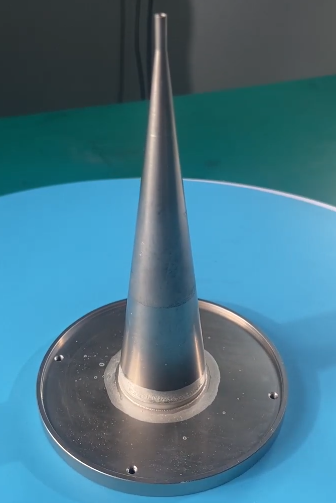
An ion source sampling cone sits at the front line of mass spectrometry. It faces high temperatures corrosive gases and constant mechanical stress. The weld quality determines whether the cone delivers accurate results or becomes a source of contamination and drift.
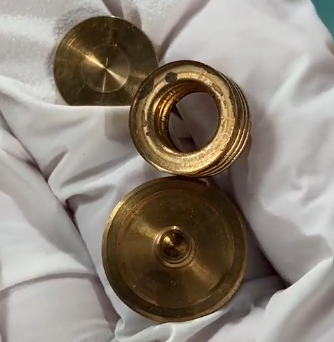
Beryllium copper is a high-performance copper alloy widely used in industries requiring a unique combination of electrical conductivity, strength, elasticity, and wear resistance.
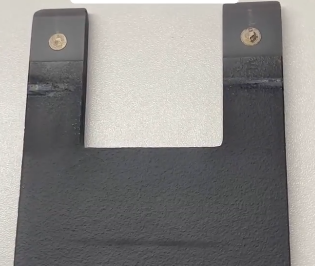
Silver contacts on silicon nitride ceramic heating plates take a beating. High temperatures thermal cycling and mechanical stress eventually take their toll. When the contact degrades heating performance suffers.