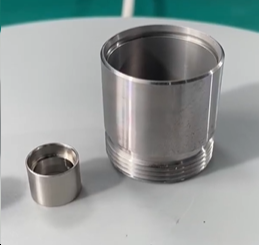
Carbon steel is strong and cost-effective. Stainless steel is corrosion-resistant and durable. Welding them together gives you a component that takes advantage of both materials without sacrificing either.
The challenge is real. These two steels have different thermal expansion rates and carbon migration can weaken the joint. Poor welding leads to corrosion at the weld line or brittle failure under load. High-precision welding solves these problems.
Our process controls heat input carefully to avoid carbide precipitation and other issues. The right filler metal bridges the gap between the two materials. The result is strong bonding with excellent structural integrity. The finished joint performs reliably in demanding industrial environments. It handles temperature changes without cracking. It resists corrosion even at the material interface. It carries mechanical loads without failing. This welding solution is ideal for machinery tooling and heavy-duty engineering applications requiring durable dissimilar metal joining. When you need carbon steel strength and stainless steel corrosion protection in one assembly precision welding delivers.
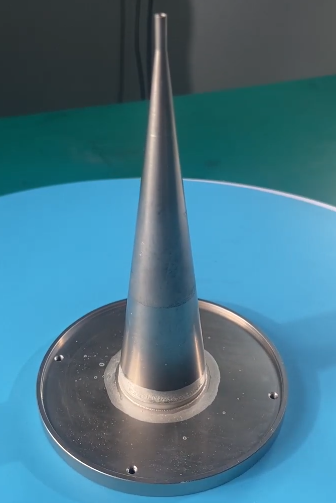
An ion source sampling cone sits at the front line of mass spectrometry. It faces high temperatures corrosive gases and constant mechanical stress. The weld quality determines whether the cone delivers accurate results or becomes a source of contamination and drift.
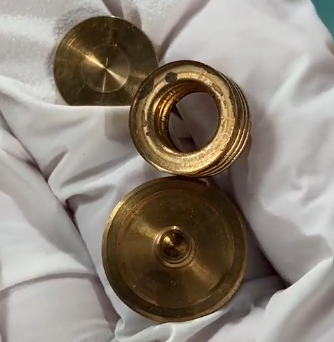
Beryllium copper is a high-performance copper alloy widely used in industries requiring a unique combination of electrical conductivity, strength, elasticity, and wear resistance.
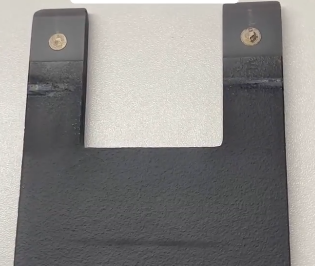
Silver contacts on silicon nitride ceramic heating plates take a beating. High temperatures thermal cycling and mechanical stress eventually take their toll. When the contact degrades heating performance suffers.