Microchannel Water-Cooled Plates for Optical Modules
Normantherm•6/5/2026
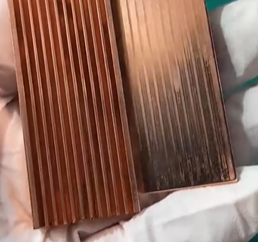
Optical modules generate heat that must be removed efficiently and evenly. Microchannel water-cooled plates made from T2 copper provide the solution. But the real story is in the transformation from separate components to a finished assembly. Before welding the individual parts of a microchannel plate are just that separate pieces. The base plate the cover and the inlet and outlet fittings all sit waiting to become one. The fine cooling channels are formed but not yet sealed. No coolant can flow.
After welding everything changes. Precision welding transforms those separate parts into a single leak-tight assembly. Every microchannel is sealed properly. Coolant flows through passages designed to pull heat away from exact locations. The T2 copper preserves its outstanding thermal conductivity because the welding process introduces no oxidation or contamination.
The finished plate delivers excellent thermal conductivity from edge to edge. Cooling is uniform across the entire surface preventing thermal gradients that can affect optical performance. Reliable performance means the module stays stable hour after hour day after day.
These precision-welded microchannel plates are ideal for optical modules in liquid cooling systems. High-speed transceivers laser systems and advanced optical equipment all benefit from the cooling precision that T2 copper and expert welding provide.
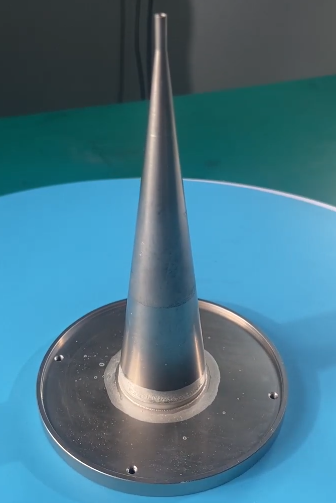
An ion source sampling cone sits at the front line of mass spectrometry. It faces high temperatures corrosive gases and constant mechanical stress. The weld quality determines whether the cone delivers accurate results or becomes a source of contamination and drift.
Beryllium copper is a high-performance copper alloy widely used in industries requiring a unique combination of electrical conductivity, strength, elasticity, and wear resistance.
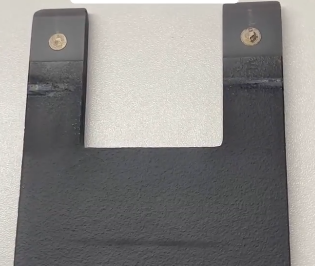
Silver contacts on silicon nitride ceramic heating plates take a beating. High temperatures thermal cycling and mechanical stress eventually take their toll. When the contact degrades heating performance suffers.