Automobiles Industry
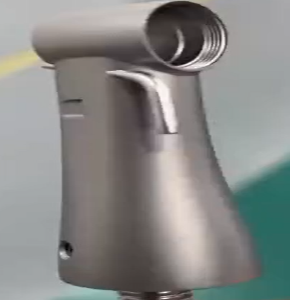
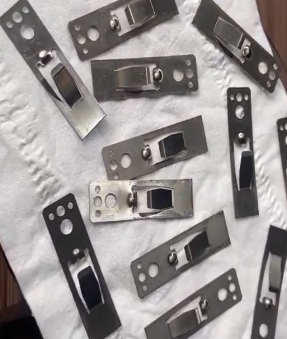
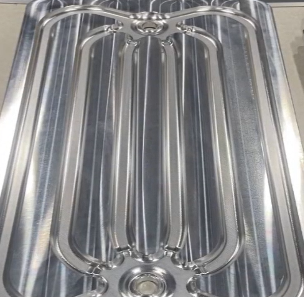
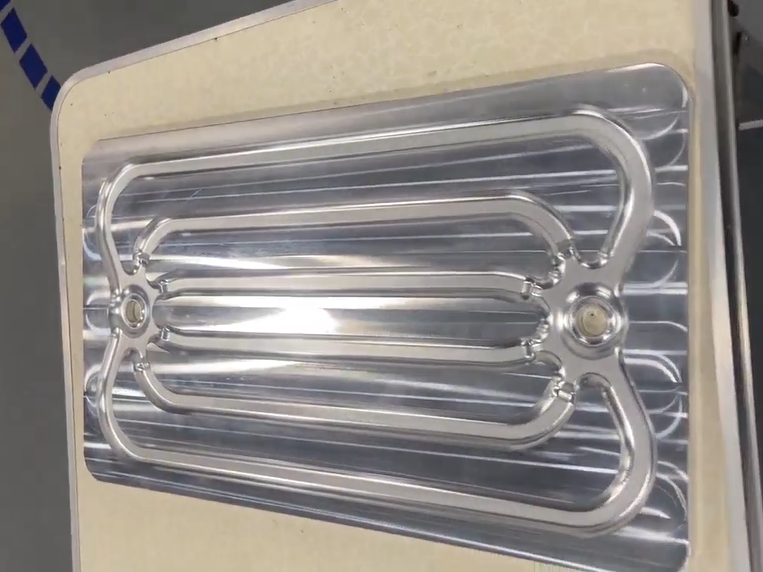
Vacuum brazing is essential in the manufacturing of a wide range of automobile components that demand strong, precise, and contamination-free joints. It is commonly used in parts such as oil coolers, heat exchangers, radiators, fuel system components, transmission parts, and EGR (Exhaust Gas Recirculation) coolers. Additionally, vacuum brazing is critical for joining aluminum cold plates, liquid cooling heat sink plates, carbide tipped gear hobs, laminated aluminum evaporators, high voltage DC relays, battery coolers, and aluminum alloy chassis.

Articles

Enhancing QBe2 Beryllium Bronze Chucks for New Energy Vehicles with Vacuum Heat Treatment
Vacuum heat treatment of QBe2 beryllium bronze chucks for new energy vehicles, enhancing hardness, strength, and durability with Normantherm vacuum furnaces.

Brass Heat Treatment in Automobiles: Ensuring Reliability and Performance
Automotive components such as sensor housings, heat exchanger parts, valves, fittings, gears, bearings, and brackets rely on brass to perform reliably under demanding operating conditions.

DT4C Electrical Pure Iron Heat Treatment for Automobile
Discover how DT4C electrical pure iron heat treatment enhances magnetic performance, efficiency, and durability in automotive components. Learn how Normantherm’s precision vacuum furnaces deliver high-performance, energy-efficient solutions for electric and hybrid vehicles.

6061 Aluminum Water Cooling Plate – Driving Cooling Efficiency in Electronics & EV Industry
Devices and systems generate significant heat, and without efficient cooling solutions, their performance and lifespan can be compromised. This is where 6061 aluminum water cooling plates play a vital role.

Beryllium Copper and Tungsten Steel Welding: Enhancing Performance in Automotive Components
In the automotive industry, materials such as beryllium copper and tungsten steel are essential for manufacturing components that demand both strength and durability. Beryllium copper provides excellent electrical conductivity and corrosion resistance, while tungsten steel offers superior hardness.