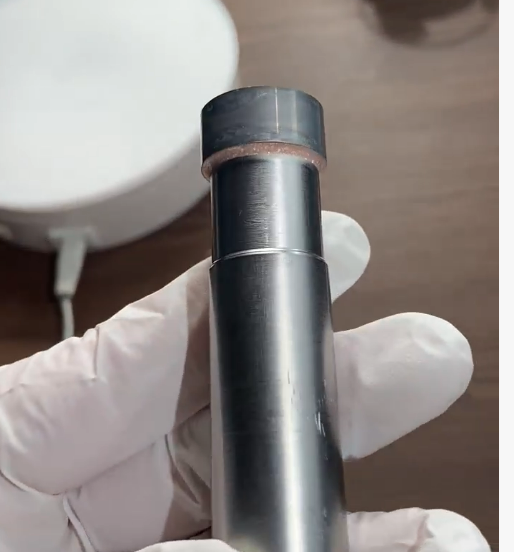
Vacuum Brazed Assembly of Die Steel and Tungsten Steel
The vacuum brazed assembly of die steel and tungsten steel is commonly used in tooling applications where both strength and wear resistance are required in the same component.
READ MORE
Home>Industry>Automobiles Industry
Vacuum brazing is essential in the manufacturing of a wide range of automobile components that demand strong, precise, and contamination-free joints. It is commonly used in parts such as oil coolers, heat exchangers, radiators, fuel system components, transmission parts, and EGR (Exhaust Gas Recirculation) coolers. Additionally, vacuum brazing is critical for joining aluminum cold plates, liquid cooling heat sink plates, carbide tipped gear hobs, laminated aluminum evaporators, high voltage DC relays, battery coolers, and aluminum alloy chassis.

The vacuum brazed assembly of die steel and tungsten steel is commonly used in tooling applications where both strength and wear resistance are required in the same component.
READ MORE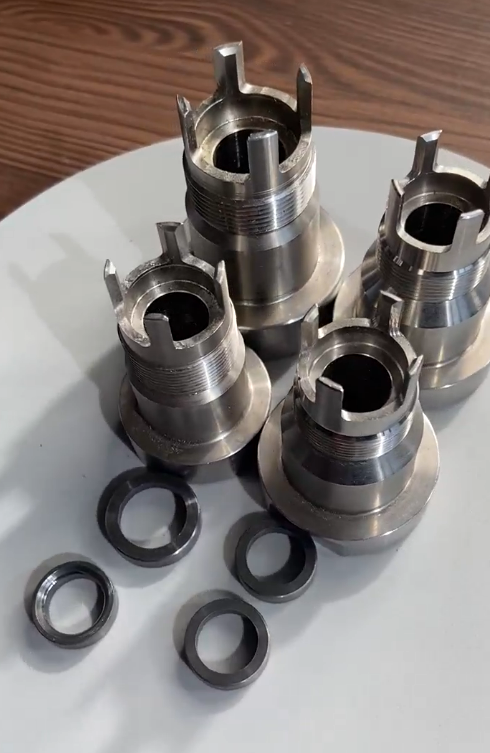
Joining tungsten carbide to stainless steel is a critical requirement in many industrial applications where extreme wear resistance must be combined with structural strength and corrosion resistance.
READ MORE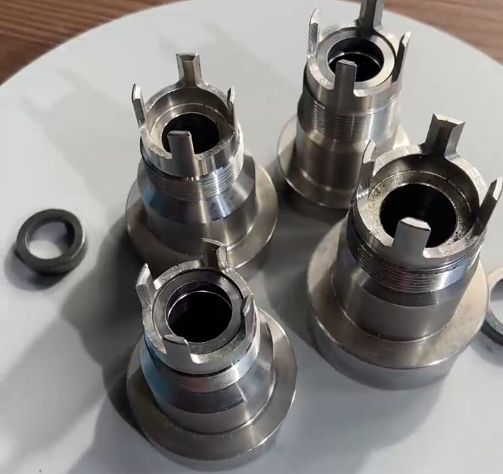
Modern industrial components often require the combination of materials with very different properties. Tungsten steel offers exceptional hardness and wear resistance, while stainless steel provides corrosion resistance and structural toughness.
READ MORE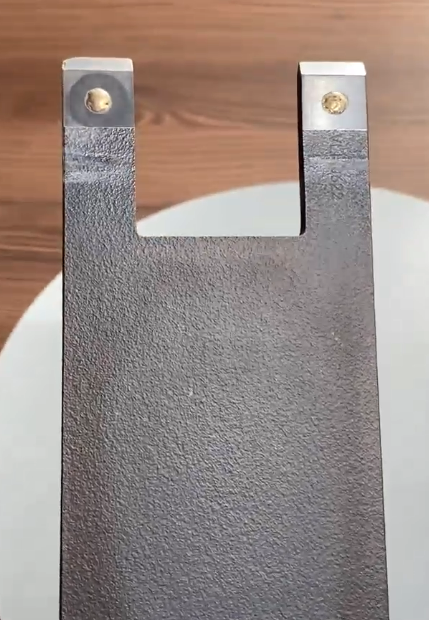
With Normantherm Vacuum Furnaces, manufacturers gain not just a heat treatment and brazing system, but a process solution that enhances product quality, reduces rework, and supports advanced material innovation.
READ MORE