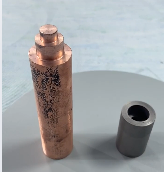
Tungsten Steel and Tungsten Copper Alloy Welding
Tungsten-based materials are widely used in industries that demand extreme durability, high thermal resistance, and excellent electrical conductivity.
READ MORE
Home>Industry>Aerospace Industry
Vacuum brazing is a vital process in the aerospace industry, where precision, strength, and reliability are non-negotiable. It is extensively used in the production of turbine blades, heat exchangers, fuel system components, jet engine parts, and structural assemblies that must withstand extreme temperatures and mechanical stress. The process enables the joining of dissimilar metals and intricate assemblies without the use of flux, eliminating the risk of contamination and ensuring the highest levels of cleanliness. This is crucial in aerospace applications, where even microscopic impurities can compromise performance or safety.

Tungsten-based materials are widely used in industries that demand extreme durability, high thermal resistance, and excellent electrical conductivity.
READ MORE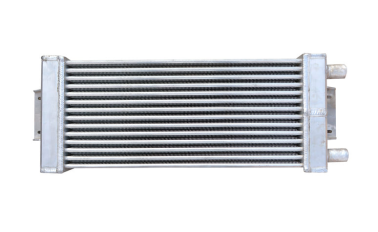
As the earliest material connection method used by humans, has a long history of application in the aviation field. In recent years, with the increase in technical challenges in the fields of aviation manufacturing and aviation maintenance, this technology has also kept pace with the times.
READ MORE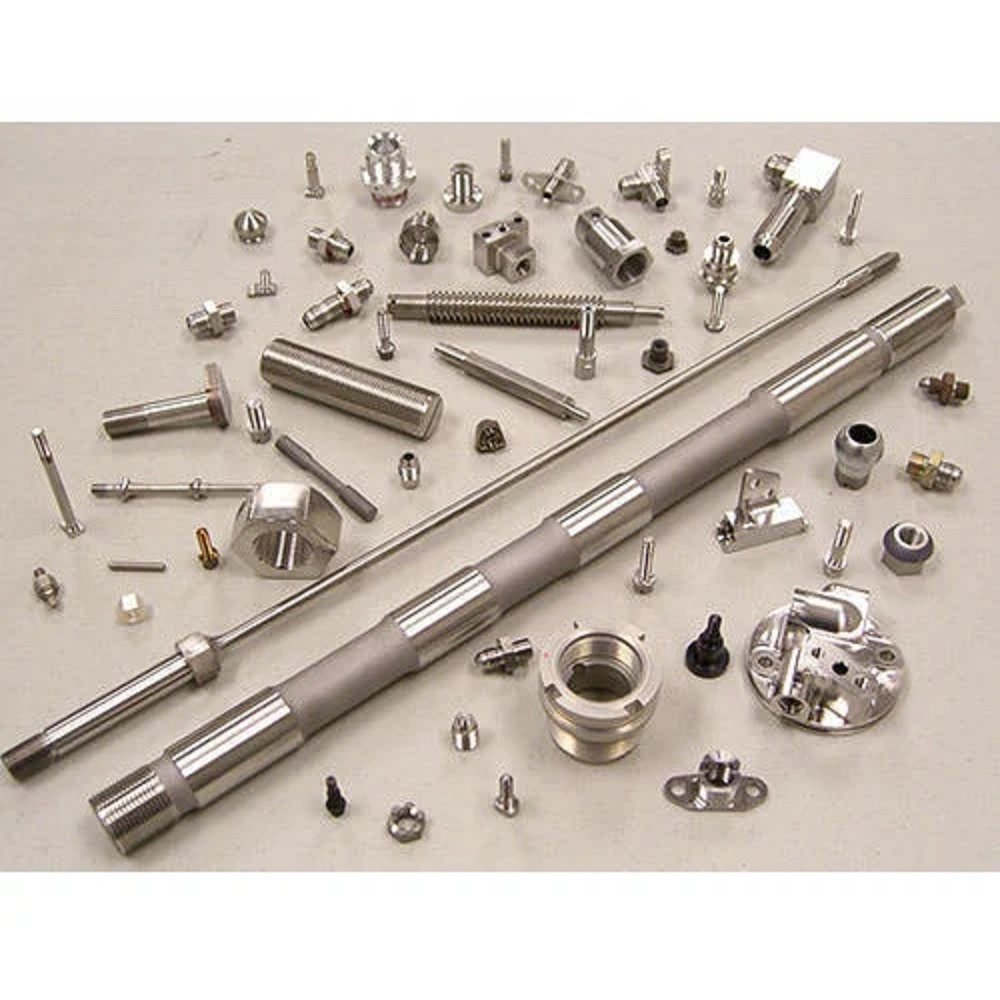
The aerospace industry operates under strict standards that demand materials with outstanding performance, reliability, and durability. One crucial technique that enhances the quality and functionality of these materials is vacuum furnace brazing.
READ MORE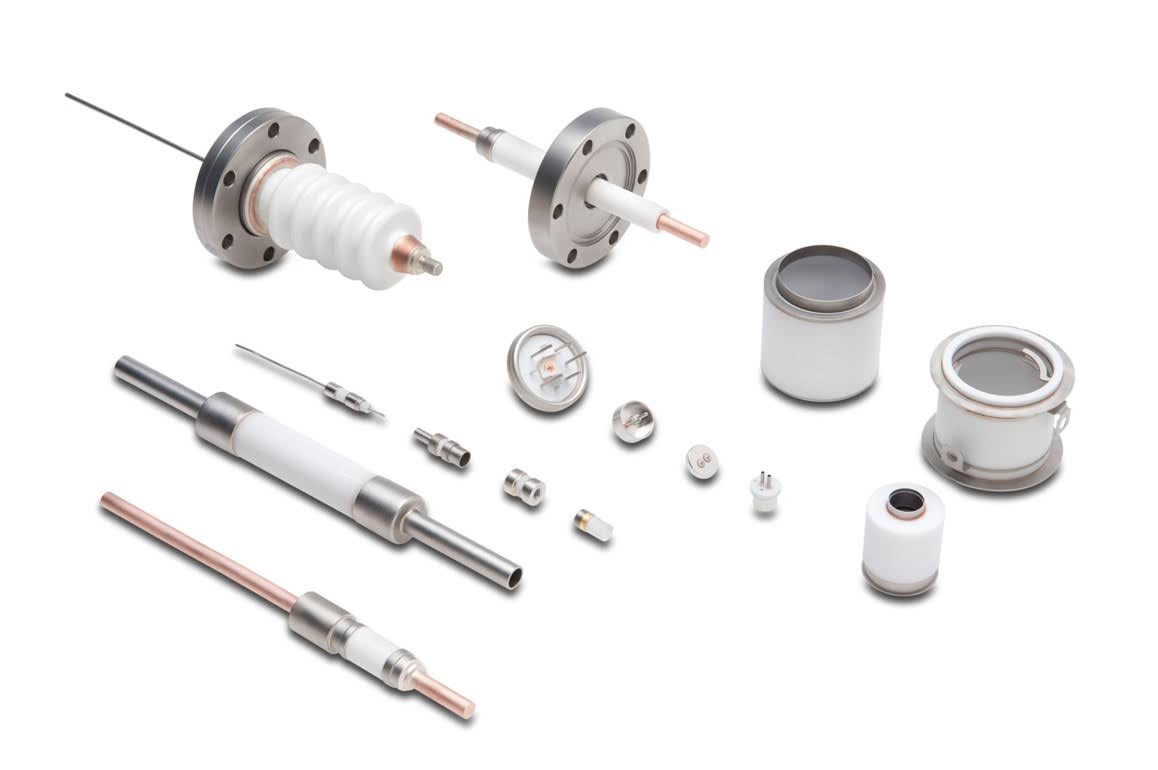
This detailed article explores brazed assemblies in critical aerospace parts—including thermocouple sensors, sapphire viewports, RF power cavities, and pitot probes. It discusses how vacuum brazing enables hermetic sealing, joining dissimilar materials, and ensuring consistent quality.
READ MORE