
 Product News
Vacuum Brazing of Tungsten Carbide and 40Cr Steel: Process, Benefits and Applications
Normantherm•9/3/2026
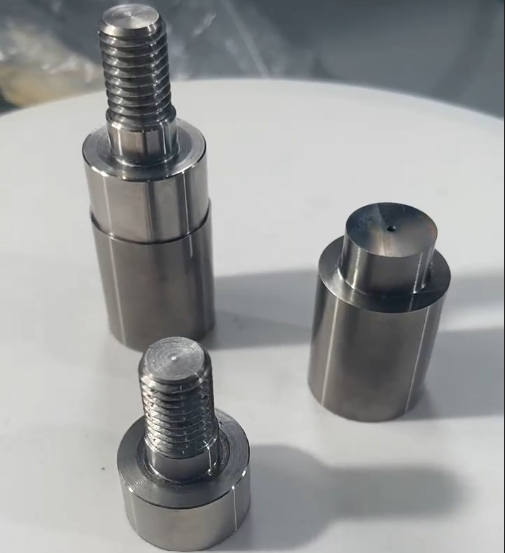
Joining tungsten carbide to 40Cr steel is widely used in the manufacturing of wear-resistant tools and industrial components. Tungsten carbide delivers exceptional hardness and resistance to abrasion, while 40Cr steel provides toughness, strength, and machinability for the supporting structure.
Because these two materials have different thermal and mechanical properties, achieving a reliable joint requires careful control of the brazing process. Vacuum brazing of tungsten carbide and 40Cr steel provides a clean and controlled method for producing durable carbide-steel assemblies.
Why Combine Tungsten Carbide and 40Cr Steel?
Tungsten carbide is selected for areas exposed to severe wear, friction, cutting forces, or abrasive materials. Its high hardness enables the working surface to maintain its performance over extended operating periods.
40Cr, a commonly used medium-carbon alloy structural steel, provides a combination of strength, toughness, and machinability. It can therefore serve as a practical base or supporting material for tungsten carbide components.
By combining the two materials, manufacturers can place carbide precisely where high wear resistance is needed while using 40Cr steel for the main structural body.
This material combination can be found in:
- Cutting and forming tools
- Wear-resistant tooling
- Molds and dies
- Industrial machine components
- Mining and abrasive-processing equipment
Why Use Vacuum Brazing?
Direct welding of tungsten carbide to steel can be challenging because of the significant difference in their physical and thermal properties. During heating and cooling, differences in thermal expansion can create stress at the joint.
Conventional welding can also introduce localized overheating, oxidation, distortion, and metallurgical changes in the base materials.
Vacuum brazing addresses many of these challenges by heating the complete assembly in a controlled low-oxygen environment. The base materials are not melted; instead, a suitable brazing filler metal melts and flows into the prepared joint interface.
The result is a controlled joining process with minimal oxidation and good filler-metal distribution.
Vacuum Brazing Process for Tungsten Carbide and 40Cr
Successful carbide-to-steel brazing begins with proper surface preparation. The tungsten carbide and 40Cr components must be cleaned and accurately positioned before the brazing cycle.
The assembly is then placed inside the vacuum furnace. After the chamber reaches the required vacuum condition, the components are heated according to a programmed thermal cycle.
When the brazing temperature is reached, the filler metal melts and flows through the joint clearance by capillary action. After sufficient filler-metal flow and joint formation, controlled cooling is performed to reduce thermal stress.
The precise brazing temperature, filler metal, joint clearance, heating rate, holding time, and cooling conditions should be selected according to the specific carbide grade, 40Cr condition, component geometry, and performance requirements.
Advantages of Vacuum-Brazed Tungsten Carbide and 40Cr
Vacuum brazing offers several advantages for manufacturing tungsten carbide and 40Cr steel components.
- Strong and Reliable Joining
Properly designed brazed joints provide reliable mechanical attachment between the carbide working section and the steel substrate.
- Excellent Wear Resistance
The tungsten carbide portion provides the hardness and abrasion resistance required for demanding working environments.
- Structural Strength
40Cr steel provides the toughness and structural support needed for the overall component.
- Clean Processing
The vacuum environment significantly reduces oxidation and contamination during high-temperature processing, helping produce cleaner brazed surfaces.
- Reduced Thermal Distortion
Controlled heating and cooling can help minimize dimensional changes and thermal stresses, which is particularly important for precision tooling.
Applications of Tungsten Carbide and 40Cr Brazed Products
Tungsten carbide and 40Cr vacuum-brazed products can be used in applications where high wear resistance and structural strength are required simultaneously.
Typical applications include carbide cutting tools, forming tools, wear plates, molds, dies, mining components, industrial blades, and specialized machinery parts.
The appropriate carbide grade and brazing process depend on the application's wear conditions, impact loading, operating temperature, and required service life.
Importance of Vacuum Furnace Temperature Uniformity
Temperature uniformity is critical when brazing tungsten carbide to 40Cr steel. Uneven heating can cause inconsistent filler-metal flow and increase thermal stress within the assembly.
A high-performance vacuum brazing furnace provides precise temperature control and uniform heating throughout the working zone. Controlled cooling is equally important because the carbide and steel respond differently to temperature changes.
For production manufacturers, repeatable furnace cycles are essential for maintaining consistent joint quality across large batches.
Normantherm Vacuum Brazing Furnace Solutions
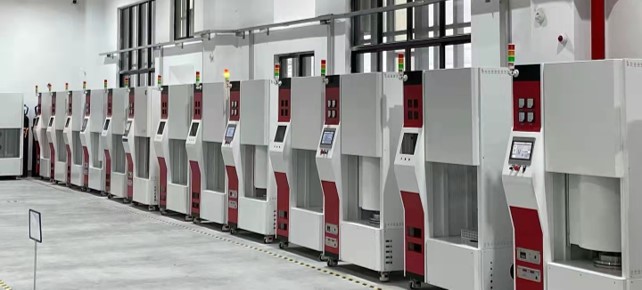
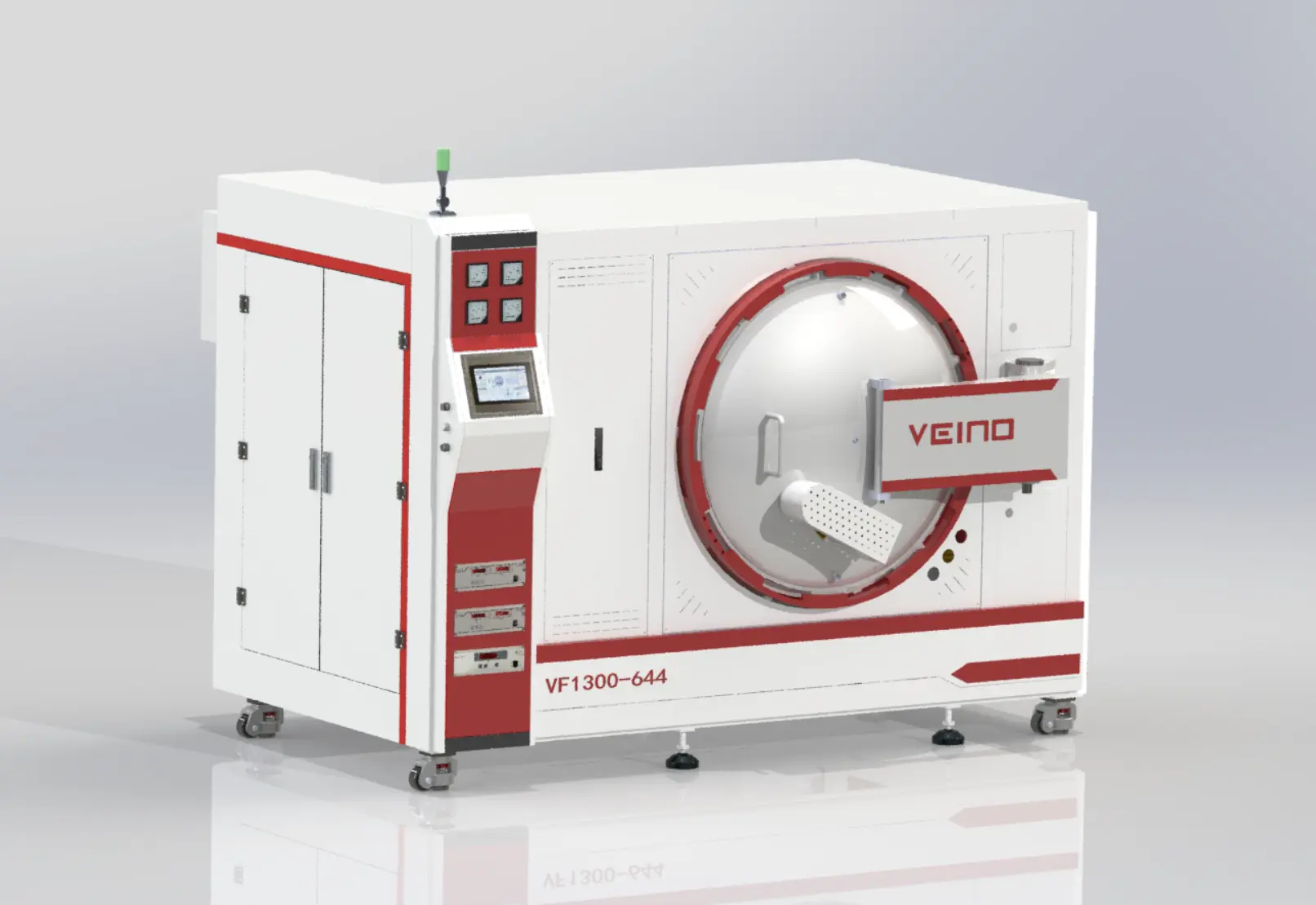
At Normantherm, we manufacture advanced vacuum brazing furnaces for joining tungsten carbide with 40Cr steel and other engineering materials.
Our vacuum furnace systems are designed to provide high-vacuum processing, accurate temperature control, uniform heating, and controlled cooling. These features support precision brazing applications where joint reliability, surface cleanliness, and dimensional stability are important.
Normantherm furnaces can also be used for brazing combinations involving stainless steel, tool steel, high-speed steel, copper, titanium alloys, ceramics, PCD, and diamond materials.
Conclusion
Vacuum brazing of tungsten carbide and 40Cr steel is an effective manufacturing process for producing durable wear-resistant components. Tungsten carbide provides exceptional hardness and abrasion resistance, while 40Cr steel contributes strength, toughness, and structural support.
With appropriate filler-metal selection, joint design, surface preparation, and precise vacuum furnace control, manufacturers can produce reliable carbide-steel assemblies for demanding tooling and industrial applications.
Normantherm provides vacuum brazing furnace solutions designed to deliver the controlled atmosphere, temperature uniformity, and process repeatability required for high-quality tungsten carbide and 40Cr steel brazing.
You may also like
Product News Product News
 Product News