
 Product News
Vacuum Brazing of Automotive Solenoid Valves: 1215MS Electromagnet Core and 304 Stainless Steel Base
Normantherm•8/27/2026
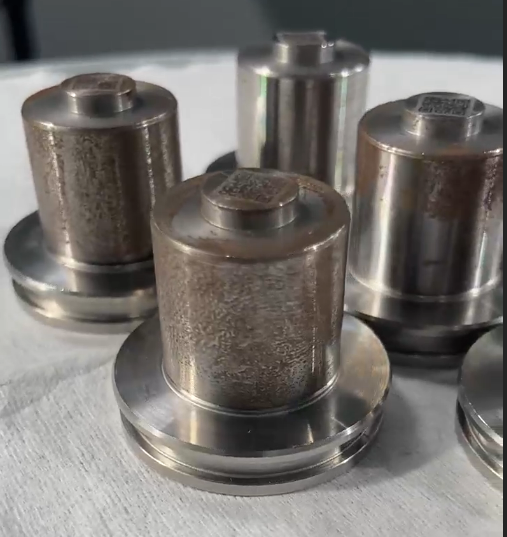
Automotive solenoid valves are precision components used to control the flow of fluids or gases in various vehicle systems. Their performance depends on accurate electromagnetic actuation, reliable sealing, dimensional stability, and long-term durability.
A typical solenoid valve assembly may require joining different materials, such as a 1215MS electromagnet core and a 304 stainless steel base. Since these materials have different metallurgical and thermal characteristics, achieving a reliable joint requires a carefully controlled manufacturing process.
Vacuum brazing provides an effective solution for joining these components while maintaining clean surfaces, dimensional accuracy, and consistent joint quality.
What Is an Automotive Solenoid Valve?
An automotive solenoid valve uses an electromagnetic mechanism to control the movement of a valve. When electrical current passes through the coil, a magnetic field is generated, causing the internal armature or core to move and control the flow path.
The components within the valve must be manufactured and assembled with high precision. Small dimensional changes or defects in the joining area can affect electromagnetic movement, sealing performance, or overall valve reliability.
This makes controlled joining technology particularly important when manufacturing automotive solenoid valve components.
1215MS Electromagnet Core and 304 Stainless Steel Base
The 1215MS electromagnet core serves an important magnetic function within the solenoid assembly, while the 304 stainless steel base provides structural support and corrosion resistance.
These materials offer different characteristics and therefore require careful consideration during brazing. The joining process must achieve sufficient mechanical strength without introducing excessive distortion or negatively affecting the functional properties of the components.
For precision automotive components, the brazing cycle must be carefully matched to the materials, joint geometry, filler metal, and required performance.
Why Vacuum Brazing for Solenoid Valve Components?
Vacuum brazing is particularly suitable for precision assemblies because the components are heated in a controlled vacuum environment.
Before brazing, the components are cleaned and positioned accurately with the appropriate filler material at the joint interface. The furnace is then evacuated before the controlled heating cycle begins.
At the required brazing temperature, the filler metal melts and flows into the joint through capillary action. After sufficient joint formation, the assembly is cooled under controlled conditions.
This process helps minimize oxidation and contamination while providing uniform heating across the component.
Benefits of Vacuum-Brazed Solenoid Valve Assemblies
For automotive solenoid valve manufacturing, vacuum brazing can provide several important advantages:
- Clean and consistent brazed joints
- Reliable bonding between dissimilar materials
- Reduced oxidation during high-temperature processing
- Improved dimensional stability
- Controlled heating and cooling
- High repeatability for batch production
These characteristics are particularly valuable for automotive components manufactured in large quantities, where consistent quality between production batches is essential.
Applications of Vacuum-Brazed Solenoid Valves
Automotive solenoid valves are used in a variety of vehicle systems where precise electromagnetic control is required. Depending on their design, they can be found in transmission systems, engine management systems, fuel and fluid control systems, thermal management systems, and other automotive control assemblies.
The combination of precision machining and reliable vacuum brazing can help manufacturers produce components capable of meeting demanding automotive production requirements.
Importance of Furnace Temperature Control
Temperature control is a critical factor when brazing an electromagnet core to a stainless steel base. Excessive heating may affect dimensional accuracy or material properties, while insufficient temperature can result in incomplete filler-metal flow.
A high-performance vacuum brazing furnace provides accurate temperature control and uniform heating throughout the working zone. Controlled cooling is also important because differences in thermal expansion between the joined materials can generate residual stress.
For mass production, furnace repeatability helps manufacturers maintain consistent joint quality across large numbers of solenoid valve components.
Normantherm Vacuum Brazing Furnace Solutions
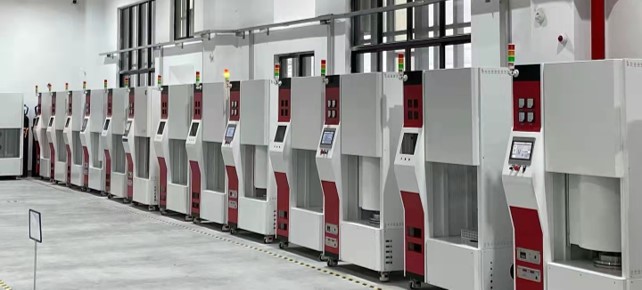
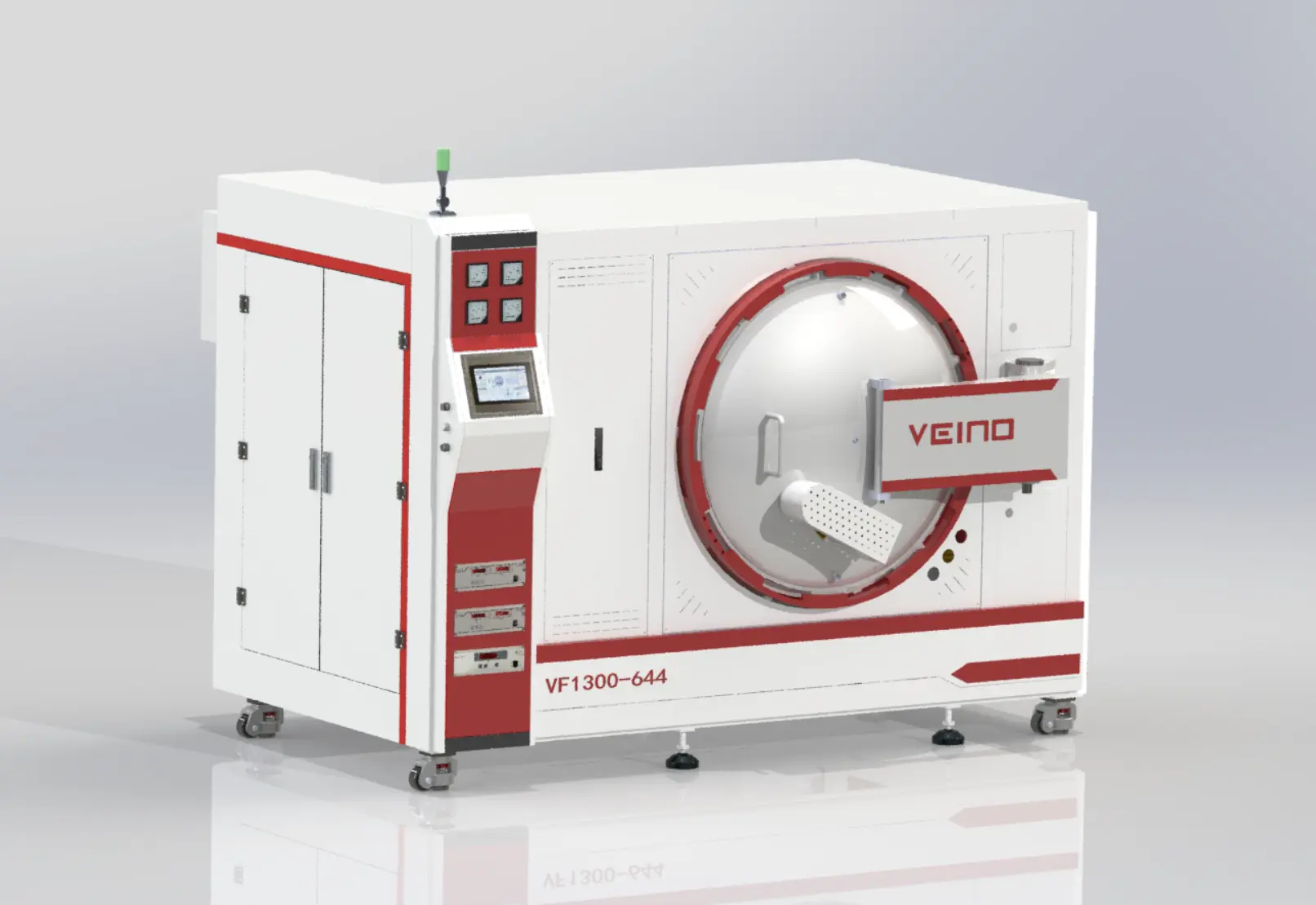
At Normantherm, we design and manufacture advanced vacuum brazing furnaces for precision automotive components and dissimilar-material assemblies.
Our furnace systems provide high-vacuum processing, precise temperature control, uniform heating, and controlled thermal cycles. These capabilities support applications involving stainless steel, magnetic materials, copper, tungsten carbide, tool steels, ceramics, and other engineering materials.
For automotive manufacturers and component suppliers, stable vacuum furnace performance can help improve brazing consistency, reduce oxidation-related defects, and support repeatable production.
Conclusion
Automotive solenoid valve assemblies made from a 1215MS electromagnet core and 304 stainless steel base require precise and reliable joining technology. Vacuum brazing provides a controlled method for producing clean, consistent joints between these dissimilar materials while minimizing oxidation and thermal distortion.
With precise temperature control, uniform heating, and a controlled vacuum environment, Normantherm vacuum brazing furnaces provide manufacturers with the process stability required for high-quality automotive component production.
You may also like
Product News Product News
 Product News