
 Product News
Vacuum Brazing of 304 Stainless Steel and Tungsten Steel
Normantherm•9/16/2026
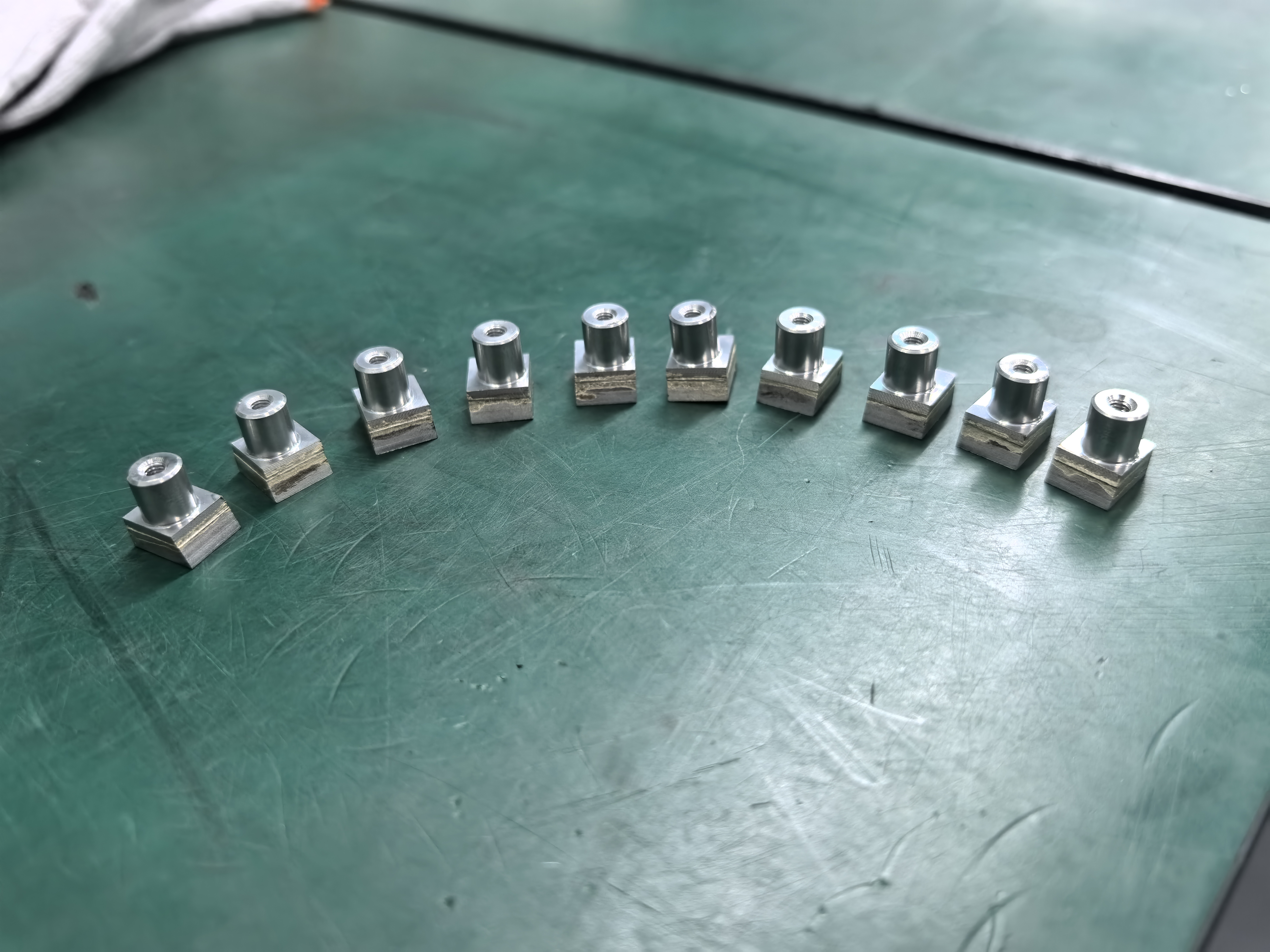
Joining 304 stainless steel and tungsten steel is a dissimilar-material joining application that requires careful control of the joint design, filler material, and thermal cycle. Tungsten steel, commonly referring to cemented carbide or tungsten carbide, provides high hardness and wear resistance, while 304 stainless steel provides corrosion resistance, toughness, and good fabrication characteristics.
For finished components combining these materials, vacuum brazing can provide a controlled method of joining the tungsten carbide section to the stainless steel body.
Why Join 304 Stainless Steel with Tungsten Steel?
Tungsten carbide is selected for components that need high hardness and resistance to wear. However, using carbide throughout an entire component may not always be necessary or economical.
A steel substrate such as 304 stainless steel can provide the supporting structure, while tungsten carbide can be positioned in the area exposed to wear or demanding mechanical conditions.
This material combination can therefore be considered for specialized tooling, wear-resistant parts, precision components, and other applications where different material properties are required within one assembly.
Vacuum Brazing Process for 304 and Tungsten Steel
The joining process begins with preparing and cleaning the stainless steel and tungsten carbide surfaces. Contamination on the joining surfaces can interfere with filler-metal wetting and flow, so surface preparation is an important part of the process.
The components are then accurately positioned with the appropriate joint clearance. A suitable brazing filler metal is selected according to the carbide grade, stainless steel, joint geometry, and service requirements.
The assembly is placed inside a vacuum brazing furnace, where atmospheric gases are removed before the heating cycle begins. The furnace then provides controlled heating until the filler reaches its required melting range.
The molten filler flows into the prepared joint and forms the connection between the tungsten carbide and 304 stainless steel. Controlled cooling follows the brazing stage.
The specific filler alloy and brazing parameters should be established through material evaluation and process testing rather than applying one universal cycle to every 304 and tungsten carbide assembly.
Advantages of Vacuum Brazing
Vacuum processing is useful for precision joining because it provides a controlled atmosphere throughout the heating cycle. Compared with heating in an open atmosphere, vacuum brazing can help reduce oxidation and surface contamination.
For 304 stainless steel and tungsten carbide assemblies, the process can provide:
- Controlled heating of dissimilar materials
- Reduced oxidation during thermal processing
- Consistent filler-metal flow when joint conditions are properly controlled
- Clean finished surfaces
- Repeatable furnace-based production cycles
The final joint performance depends on the material combination, filler metal, joint design, surface preparation, thermal cycle, and inspection method.
Thermal Considerations for Stainless Steel and Tungsten Carbide
Dissimilar materials require particular attention during heating and cooling because their thermal properties are different. Tungsten carbide and 304 stainless steel can respond differently to temperature changes, creating stresses around the joined region.
For this reason, furnace temperature control and thermal uniformity are important. Excessive thermal gradients or unsuitable heating and cooling conditions can affect dimensional stability and joint integrity.
A properly developed vacuum brazing cycle should therefore consider the complete assembly rather than focusing only on the melting temperature of the filler metal.
Applications of 304 Stainless Steel and Tungsten Steel Joining
Vacuum brazed 304 stainless steel and tungsten carbide components can be used in applications where wear resistance is required in a localized area while the main body benefits from the properties of stainless steel.
Potential applications include:
- Precision tooling and wear-resistant components
- Cutting and machining-related components
- Industrial fixtures and specialized tools
- Components requiring corrosion-resistant steel with a carbide working section
The appropriate material combination depends on the mechanical, thermal, chemical, and dimensional requirements of the final component.
Importance of Furnace Temperature Uniformity
Temperature uniformity is particularly important when brazing small or complex assemblies made from dissimilar materials.
The furnace must provide sufficient thermal energy for the filler metal to flow throughout the joint while maintaining controlled temperatures across the entire workpiece. Furnace loading, component size, joint configuration, and batch quantity can all affect thermal conditions.
Industrial vacuum brazing furnaces are therefore selected according to the size and production requirements of the components being processed.
Normantherm Vacuum Brazing Furnace Solutions
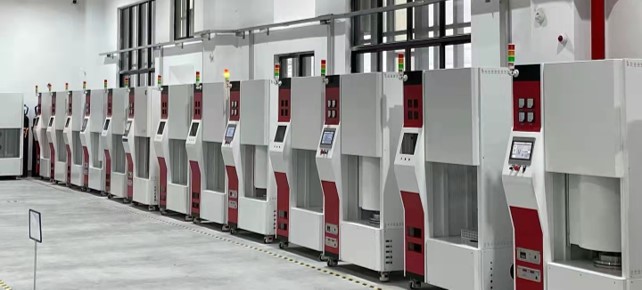
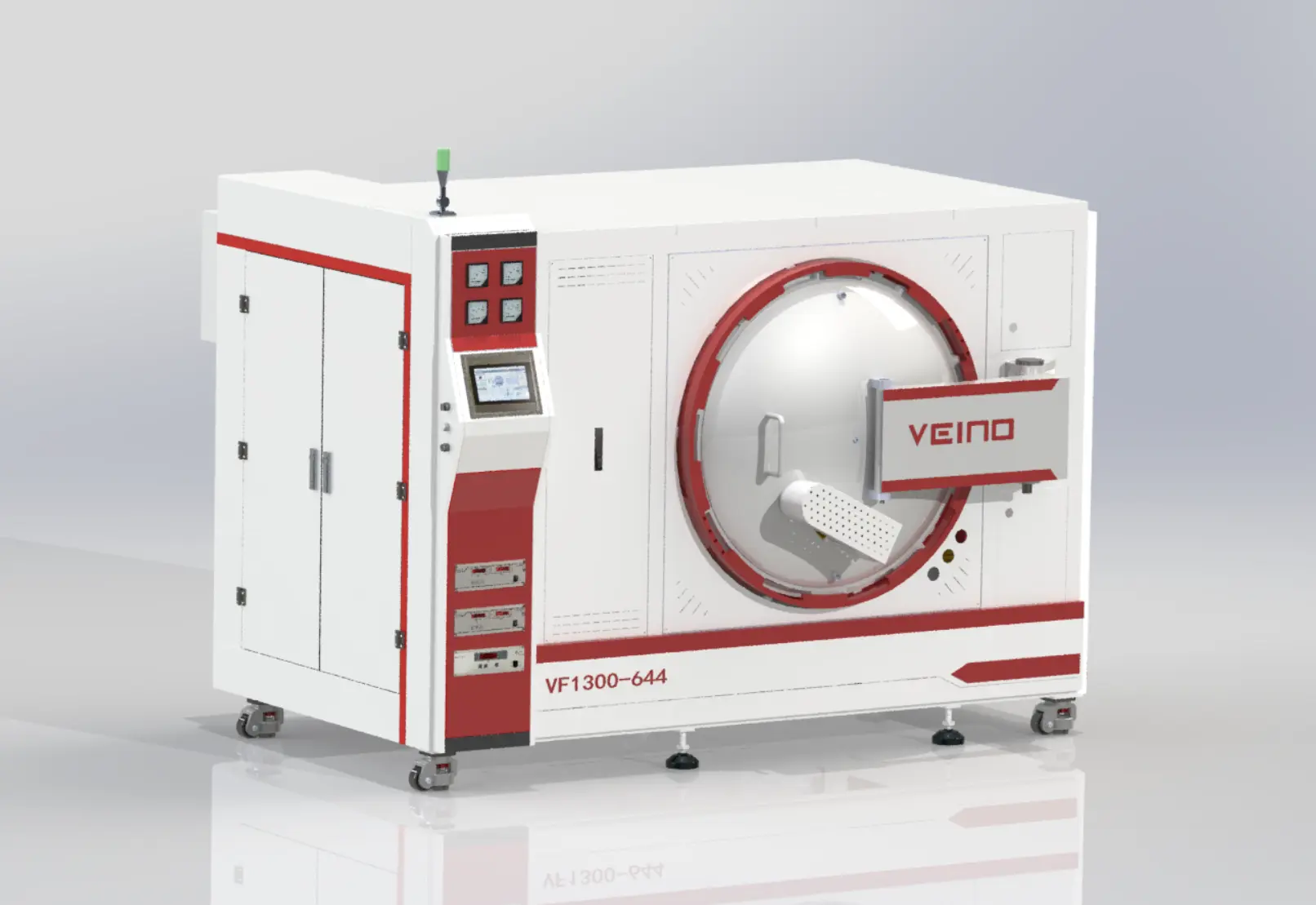
Normantherm develops vacuum brazing furnaces and industrial vacuum heat treatment systems for precision joining applications involving stainless steel, tungsten carbide, copper, titanium, and other engineering materials.
Its furnace solutions are designed for controlled thermal processing across applications including cutting tools, tooling, semiconductor components, automotive parts, heat-transfer components, and precision industrial assemblies.
Explore Normantherm Vacuum Furnace Solutions
For a 304 stainless steel and tungsten carbide application, furnace selection should consider the component dimensions, joint geometry, material grades, filler-metal requirements, production volume, vacuum conditions, and cooling method.
Conclusion
Vacuum brazing of 304 stainless steel and tungsten steel provides a controlled approach to joining two materials with different properties. Tungsten carbide contributes hardness and wear resistance, while 304 stainless steel provides corrosion resistance and structural support.
With appropriate surface preparation, joint design, filler selection, and thermal-cycle control, vacuum brazing can be incorporated into the production of specialized stainless steel and carbide components. Normantherm provides vacuum furnace solutions for manufacturers developing stainless steel and tungsten carbide brazing processes for precision industrial applications.
You may also like
Product News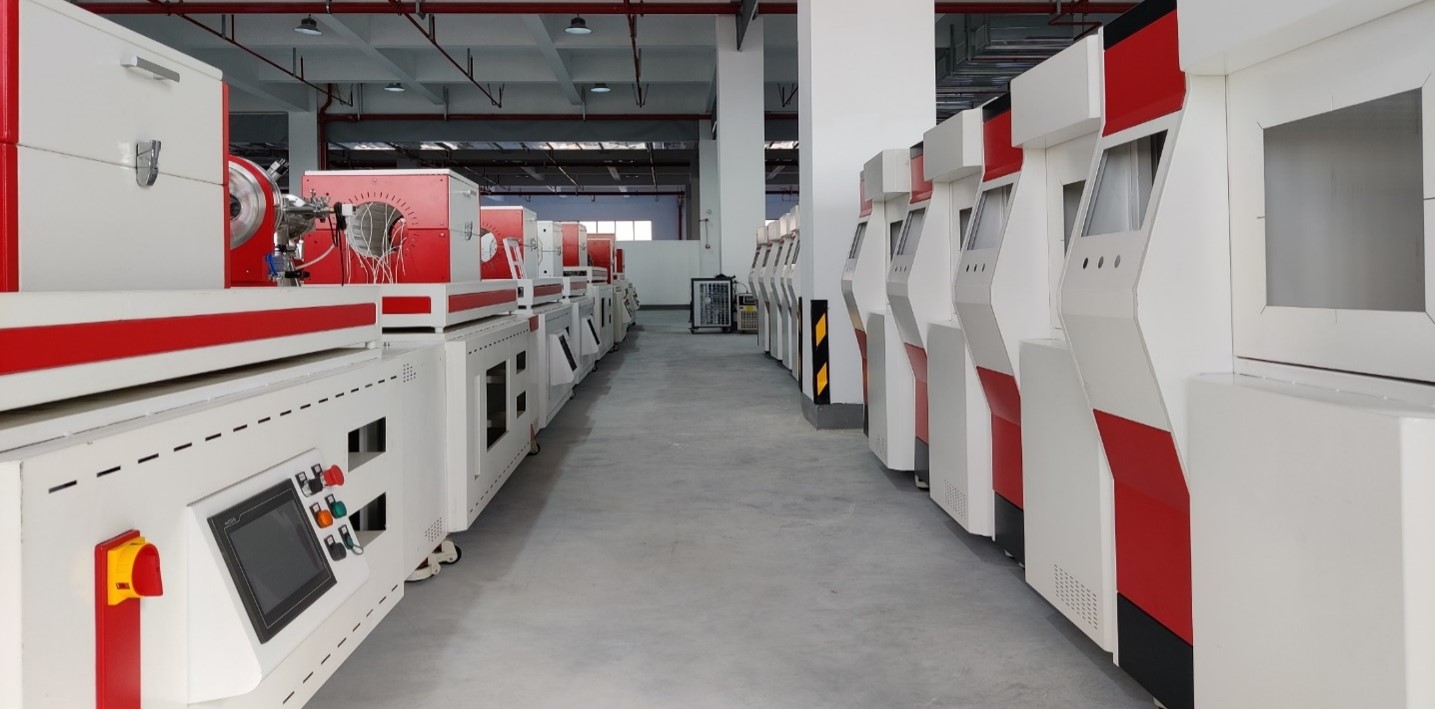 Product News
 Product News