
 Product News
How Vacuum Brazing of steel ceramics to tungsten steel is useful in precision application
Normantherm•7/9/2026
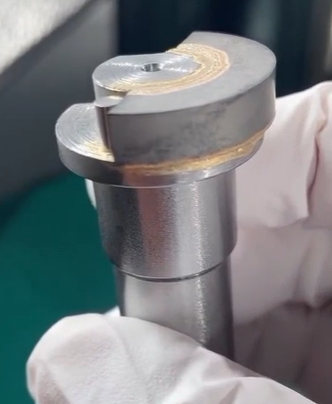
Vacuum brazing of steel ceramics to tungsten steel is an advanced joining technology used to manufacture high-precision components for industries such as semiconductors, aerospace, medical devices, precision tooling, and advanced manufacturing. This process combines the exceptional wear resistance and thermal stability of engineering ceramics with the high hardness and strength of tungsten steel, creating assemblies that perform reliably in demanding operating environments.
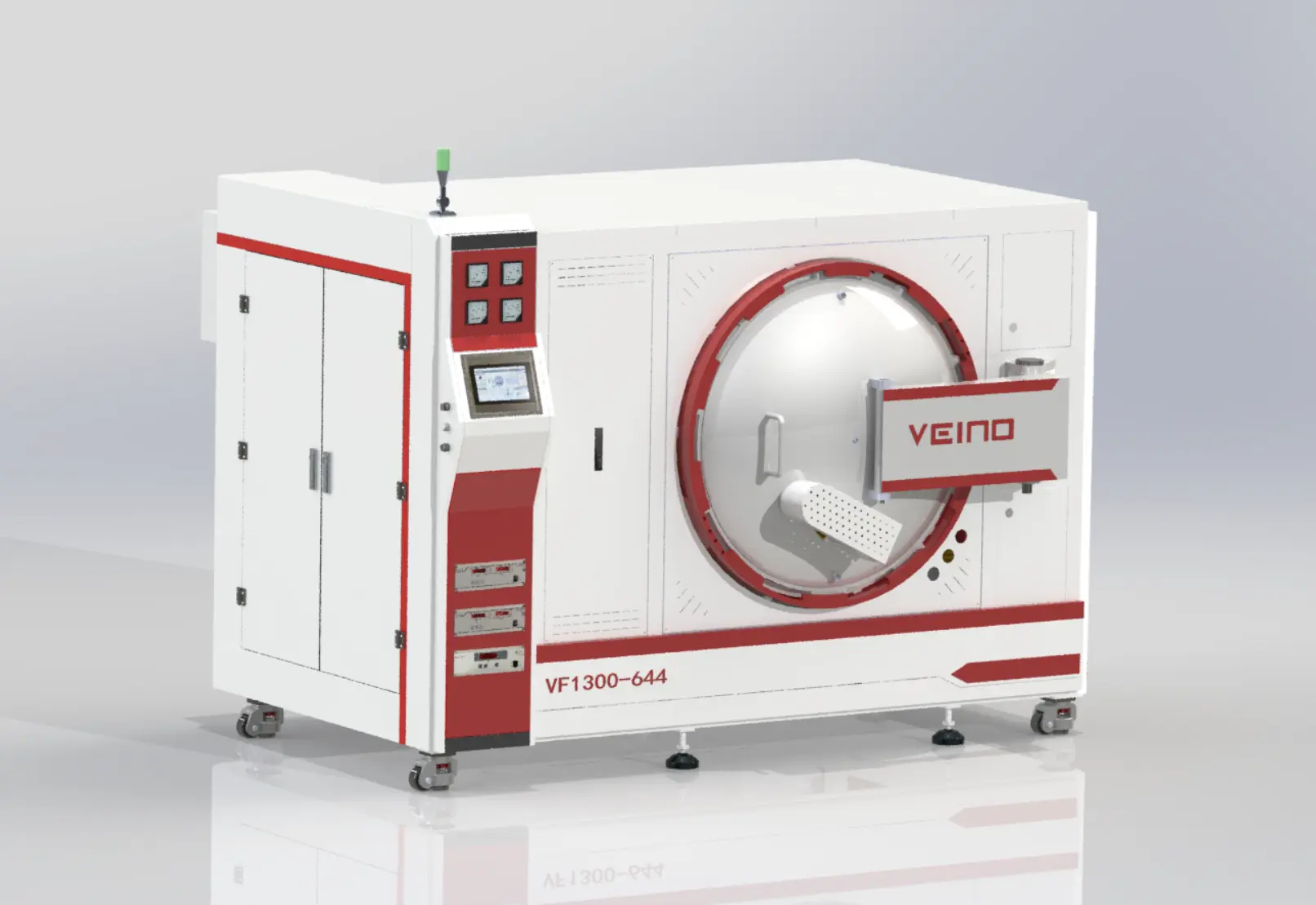
During the vacuum brazing process, the ceramic and tungsten steel components are joined using a specially selected active brazing alloy inside a high-vacuum furnace. The oxygen-free environment prevents oxidation and contamination, allowing the filler metal to wet both materials effectively and form a clean, strong metallurgical bond. The result is a highly reliable joint with excellent mechanical strength, dimensional accuracy, and long-term stability.
Compared with conventional joining methods, vacuum brazing minimizes thermal distortion, reduces residual stress, and produces flux-free, high-quality joints. This is particularly important for precision applications where tight tolerances, leak-tight performance, and consistent product quality are essential.
Vacuum-brazed steel ceramic and tungsten steel assemblies are widely used in precision cutting tools, wear-resistant components, semiconductor equipment, molds and dies, high-speed machining systems, and industrial automation equipment. Their superior strength, wear resistance, and reliability help improve machining accuracy, extend service life, and reduce maintenance costs in high-performance applications.
You may also like
Product News Product News
 Product News