
 Product News
Finished Product: Vacuum Brazed Copper Water-Cooled Plate
Normantherm•9/7/2026
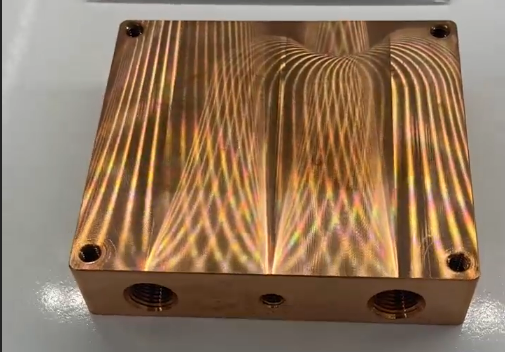
Copper water-cooled plates are widely used in thermal management systems where efficient heat removal and reliable cooling are essential. Manufacturing these components requires a joining process that can create consistent connections while maintaining the cleanliness and dimensional quality of the finished assembly.
Vacuum brazing of copper water-cooled plates is an effective manufacturing method for joining copper components under controlled atmospheric conditions. By heating the assembly in a vacuum environment, the process reduces oxidation and contamination and enables controlled brazing of complex cooling structures.
The finished copper water-cooled plate shown after vacuum brazing demonstrates how vacuum furnace technology can be used to manufacture precision cooling components for industrial applications.
What Is a Copper Water-Cooled Plate?
A copper water-cooled plate is a thermal management component designed to transfer heat from a heat-generating component into a circulating liquid coolant. Copper is commonly selected because of its high thermal conductivity and suitability for heat-transfer applications.
Depending on the design, a water-cooled plate can contain internal channels or passages through which cooling water circulates. The cooling structure must be properly joined to the copper plate so that the completed assembly can provide efficient heat transfer and dependable service.
For complex copper assemblies, vacuum brazing can provide a controlled alternative to conventional joining methods.
Why Use Vacuum Brazing for Copper Water-Cooled Plates?
Copper has high thermal conductivity, which means that heat is rapidly distributed during the brazing cycle. This makes temperature control particularly important when manufacturing large or complex copper cooling plates.
Vacuum brazing provides several advantages for this type of component. The process takes place without direct exposure to atmospheric oxygen, helping reduce surface oxidation during heating. It can also provide controlled heating and cooling conditions, which are important for maintaining consistent results across the assembly.
For water-cooled plates with internal channels or multiple joining surfaces, furnace brazing can also provide a repeatable process for batch production.
Vacuum Brazing Process for Copper Water-Cooled Plates
The manufacturing process begins with preparation and cleaning of the copper components. The surfaces to be joined need to be properly prepared because contamination, oil, oxides, or other residues can affect brazing quality.
The components are then assembled with the appropriate brazing filler material. Filler selection and brazing parameters depend on factors such as copper grade, joint design, required service temperature, joint clearance, and application requirements.
The assembled water-cooled plate is placed inside a vacuum brazing furnace. The furnace removes atmospheric gases before heating and provides a controlled thermal environment throughout the brazing cycle.
During the heating stage, the filler metal reaches its required melting range and flows into the prepared joint areas. After sufficient bonding has taken place, the assembly is cooled under controlled conditions before being removed from the furnace.
The finished component can then undergo visual inspection, dimensional inspection, leak testing, and other application-specific quality checks.
Benefits of Vacuum Brazed Copper Water-Cooled Plates
Vacuum brazing is particularly useful when the cooling plate contains multiple joints or requires a clean finished appearance. Key benefits include:
- Reduced oxidation and surface contamination during brazing
- Controlled and repeatable heating conditions
- Suitable for complex copper cooling assemblies
- Clean finished surfaces with minimal post-processing
- Potential for consistent joining across multiple components
- Compatibility with automated and batch thermal processing
The exact performance of the finished plate depends on the copper material, cooling-channel design, filler metal, joint configuration, brazing cycle, and subsequent inspection.
Applications of Copper Water-Cooled Plates
Water-cooled copper plates are used in thermal management systems across a range of industrial technologies. They can be found in applications involving high heat loads where air cooling alone may not provide sufficient thermal management.
Typical application areas include power electronics, semiconductor equipment, industrial electrical systems, laser systems, high-power equipment, and specialized heat-transfer assemblies.
As equipment becomes more compact and power density increases, efficient liquid cooling becomes increasingly important. This creates demand for accurately manufactured copper water-cooled plates with reliable internal cooling structures.
Importance of Furnace Temperature Control
Temperature uniformity is an important consideration when vacuum brazing copper water-cooled plates. Because copper transfers heat efficiently, differences in temperature across the workpiece can influence filler-metal melting and flow.
A suitable industrial vacuum furnace should therefore provide controlled heating, appropriate temperature measurement, and a stable vacuum environment. Furnace configuration should be selected according to the size, weight, geometry, and production requirements of the water-cooled plate.
For larger copper cooling plates, the effective working zone and temperature uniformity of the furnace become particularly important factors in process development.
Normantherm Vacuum Brazing Solutions
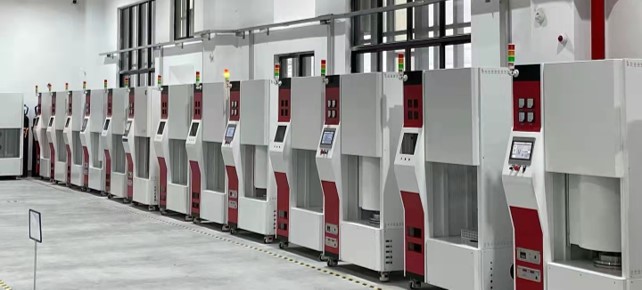
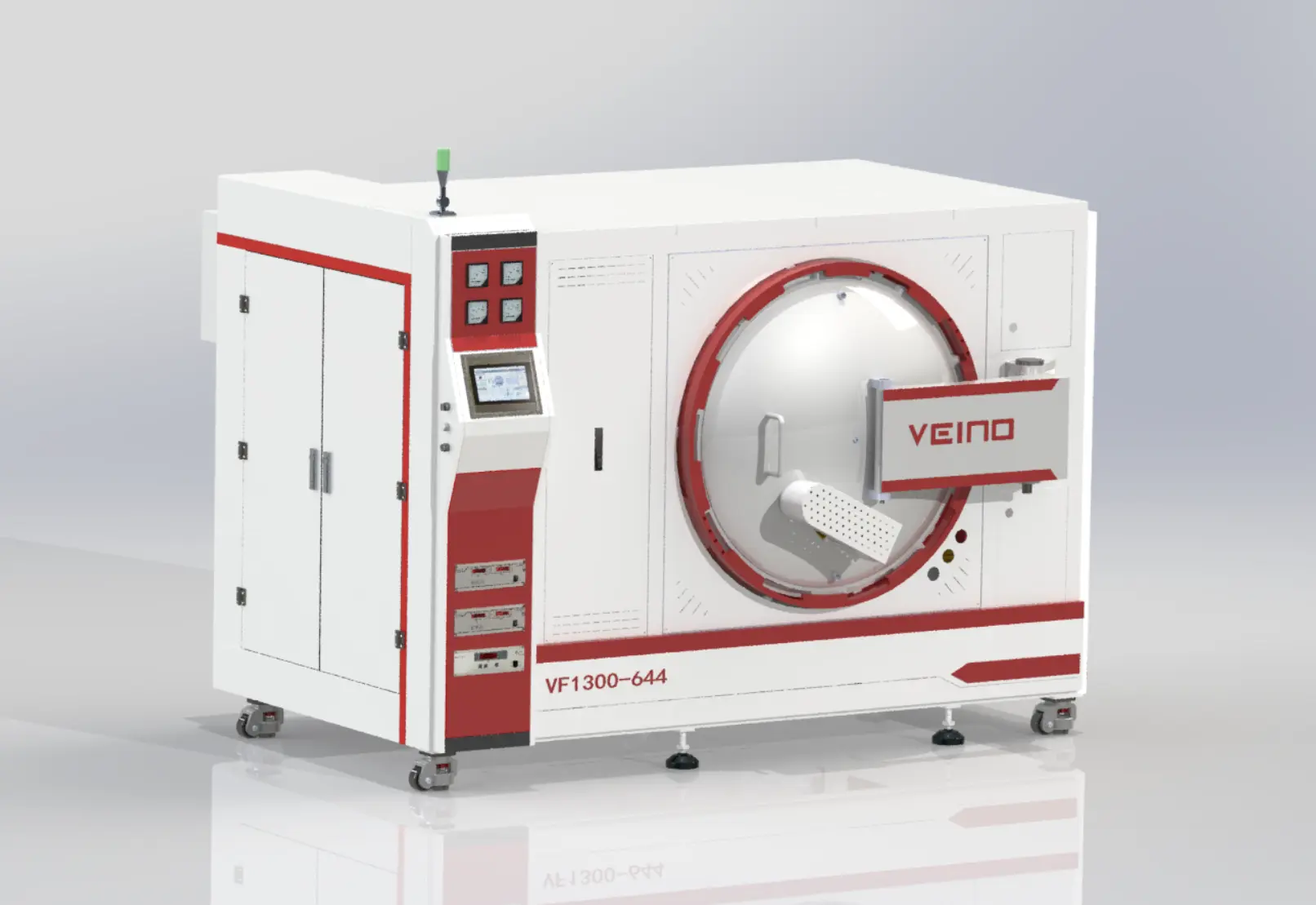
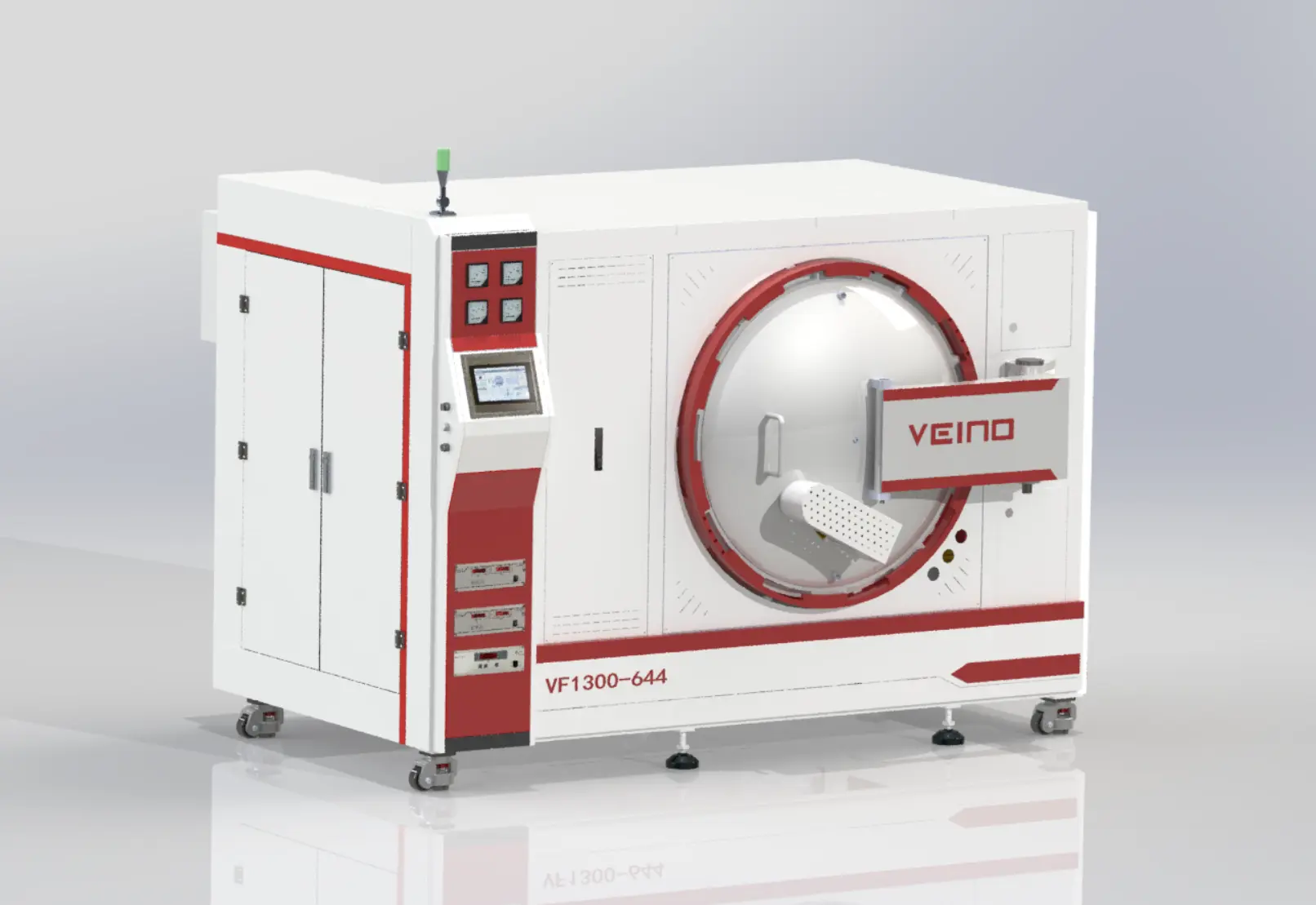
Normantherm manufactures vacuum brazing furnaces and vacuum heat treatment equipment for precision industrial components. Its VF Series industrial vacuum furnaces are designed for controlled thermal processing and applications involving materials such as copper, stainless steel, titanium alloys, and other engineering materials.
The company's vacuum brazing solutions can be used for applications including water-cooled plates, heat exchangers, tooling components, semiconductor parts, and other complex metal assemblies.
Explore Normantherm Vacuum Furnace Solutions
For copper water-cooled plate production, furnace selection should be based on component dimensions, production volume, required temperature range, cooling requirements, vacuum performance, and the specific brazing process.
Conclusion
The finished copper water-cooled plate produced by vacuum brazing demonstrates the application of controlled furnace technology in advanced thermal management manufacturing. Vacuum brazing offers a clean and repeatable joining environment while supporting precise heating of copper assemblies.
For manufacturers producing copper cooling plates, water-cooled components, and other heat-transfer assemblies, selecting the right vacuum brazing furnace is an important part of achieving consistent manufacturing results. Normantherm provides industrial vacuum furnace solutions for manufacturers looking to develop and optimize vacuum brazing processes for copper and other engineering materials.
You may also like
Product News Product News
 Product News