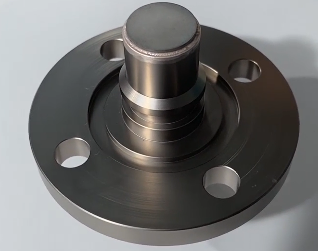
Zirconia ceramic brings exceptional wear resistance and fracture toughness to any component. Stainless steel delivers strength durability and corrosion resistance. But joining these two very different materials requires more than standard techniques. Our advanced vacuum brazing process achieves the perfect metal-to-ceramic bond.
The challenge with brazing zirconia to stainless steel lies in their different thermal expansion behaviors. If not carefully managed the joint can crack or separate during cooling. Vacuum brazing solves this by providing a controlled clean environment where the filler metal flows precisely and the thermal cycle is managed to minimize residual stress.
The result is an ultra-strong hybrid bond that combines the best of both materials. You get zirconia's hardness and wear resistance at the working surface with stainless steel's structural strength where it matters most. The joint is leak-tight stable and built to last.
This bonding technology is ideal for medical devices semiconductor equipment aerospace parts and high-precision machinery. Any application that demands wear resistance alongside mechanical strength will benefit from this hybrid approach.
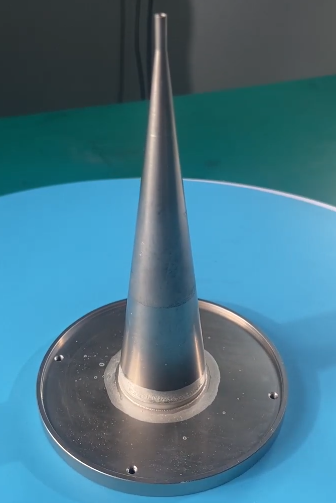
An ion source sampling cone sits at the front line of mass spectrometry. It faces high temperatures corrosive gases and constant mechanical stress. The weld quality determines whether the cone delivers accurate results or becomes a source of contamination and drift.
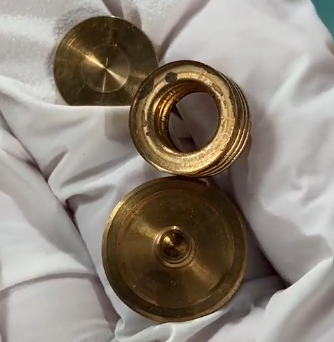
Beryllium copper is a high-performance copper alloy widely used in industries requiring a unique combination of electrical conductivity, strength, elasticity, and wear resistance.
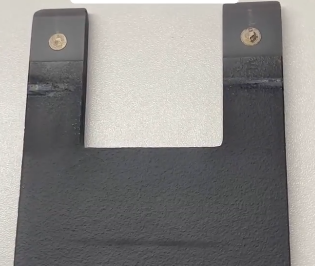
Silver contacts on silicon nitride ceramic heating plates take a beating. High temperatures thermal cycling and mechanical stress eventually take their toll. When the contact degrades heating performance suffers.