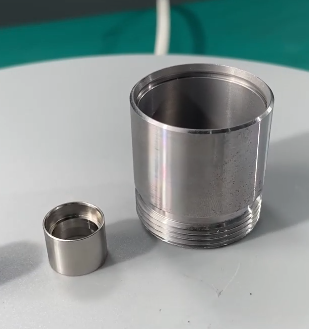
Carbon steel brings strength and affordability. Stainless steel delivers corrosion resistance and durability. Welding them together gives you a component that balances cost and performance without compromising either material's best qualities.
The challenge is real. Carbon steel and stainless steel have different thermal properties and compositions. Weld them poorly and you risk cracking corrosion at the joint or weak bonds that fail under load. Precision welding solves these problems.
Our process ensures strong metallurgical bonding between the two materials. Careful heat control prevents the formation of brittle phases. The right filler metal selection matches the joint to the application requirements.
The result is reliable mechanical performance with excellent structural stability. The weld holds up under stress resists corrosion at the interface and maintains integrity through thermal cycling.
This welding solution is suitable for industrial equipment tooling and applications requiring durable dissimilar metal joining. When you need the strength of carbon steel and the corrosion resistance of stainless steel in one assembly precision welding delivers.
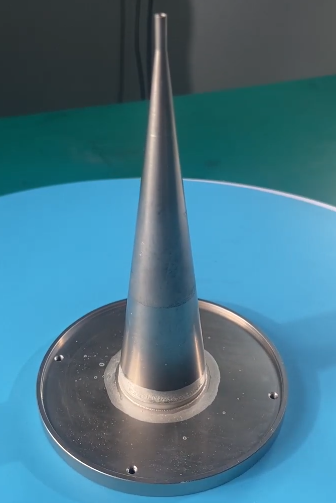
An ion source sampling cone sits at the front line of mass spectrometry. It faces high temperatures corrosive gases and constant mechanical stress. The weld quality determines whether the cone delivers accurate results or becomes a source of contamination and drift.
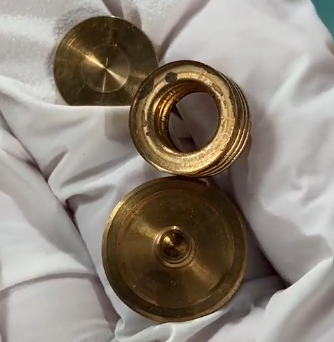
Beryllium copper is a high-performance copper alloy widely used in industries requiring a unique combination of electrical conductivity, strength, elasticity, and wear resistance.
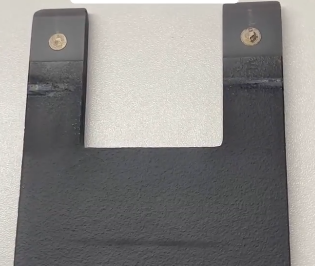
Silver contacts on silicon nitride ceramic heating plates take a beating. High temperatures thermal cycling and mechanical stress eventually take their toll. When the contact degrades heating performance suffers.