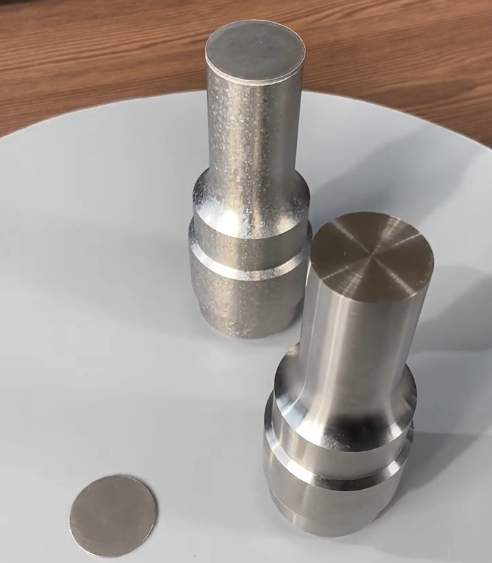
Vacuum Welding of Titanium Alloy TC4 and Cemented Carbide YG10
Normantherm•12/8/2025
The combination of titanium alloy TC4 (Ti-6Al-4V) and cemented carbide YG10 forms a powerful composite material used widely in cutting tools, wear-resistant inserts, forming tools, and high-precision machining components. This hybrid structure provides unmatched performance:
TC4 contributes high toughness, low density, and corrosion resistance
YG10 provides extreme hardness, wear resistance, and high-temperature stability
However, these two materials are chemically and mechanically very different, making traditional welding difficult. That’s where vacuum welding technology becomes essential.
Why Vacuum Welding Is the Ideal Process for TC4 + YG10
The metallurgical challenges of joining titanium and carbide—such as oxidation, thermal stress, and cracking—are eliminated with vacuum processing.
1. Oxidation-Free Environment
Titanium oxidizes easily at high temperatures. Vacuum welding avoids this completely, ensuring clean, strong bonding.
2. Uniform Heat Distribution
Controlled heating prevents crack formation and thermal distortion—critical when dealing with brittle materials like carbide.
3. High Bonding Strength
The vacuum furnace enables diffusion bonding, producing joints with superior toughness.
4. Improved Structure for Cutting Tools
The final composite material has:
High wear resistance
Improved impact toughness
Longer tool life
Better performance under heavy loads
This makes it ideal for industries requiring precision cutting and stable machining.
Applications in the Cutting Tool & Precision Machining Industry
This welded composite is widely used in:
Carbide-tipped cutting tools
Metal forming tools
High-precision drill bits
Automotive machining tools
Aerospace trimming tools
Wear-resistant industrial knives
High-load machining components
For India—where demand for precision tooling is rising rapidly due to expanding automotive, aerospace, die & mold, and manufacturing sectors—this technology brings significant advantages.
How Normantherm Supports the Cutting Tool Industry
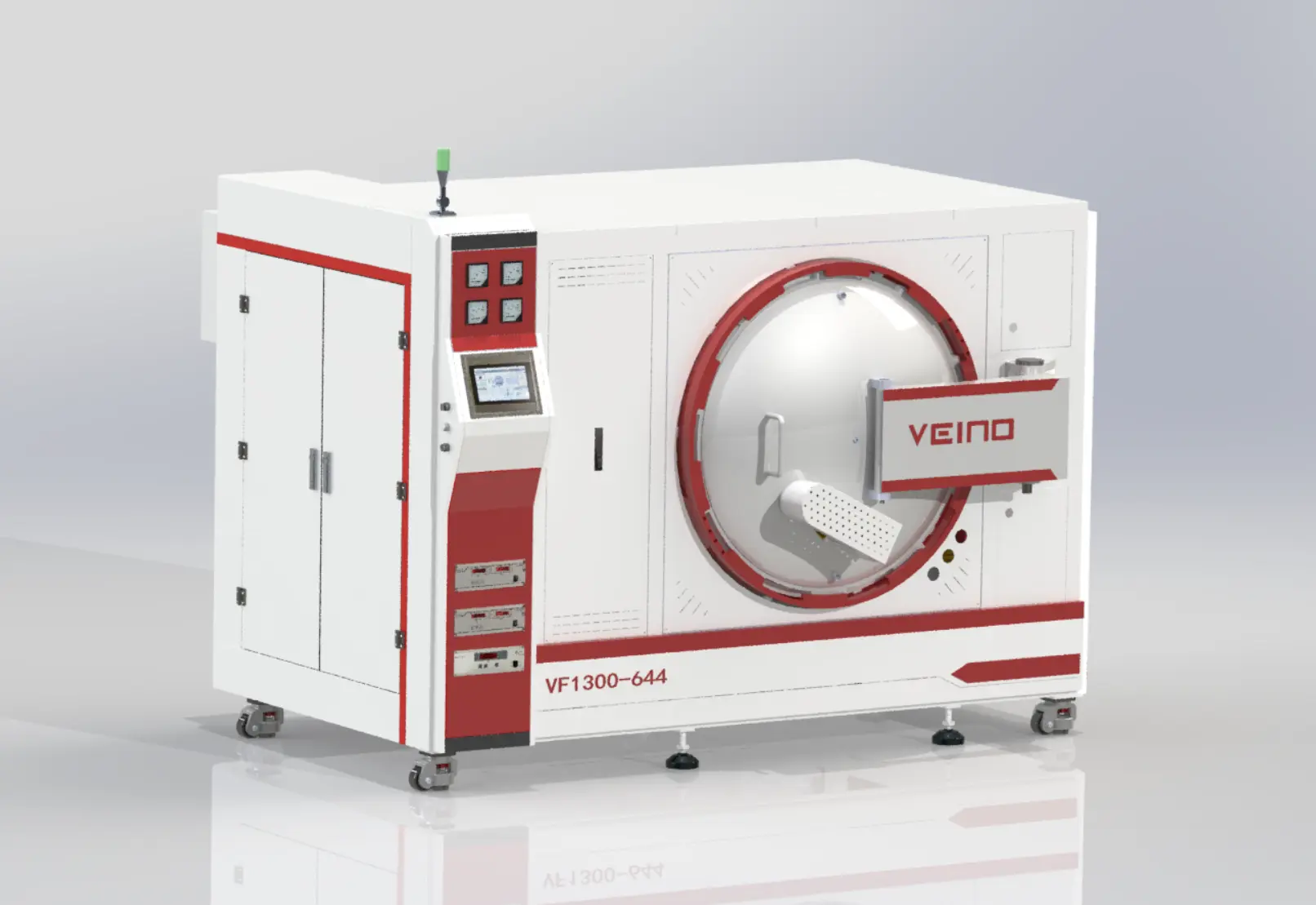
Normantherm provides advanced vacuum welding and vacuum brazing furnaces engineered specifically for difficult-to-weld combinations like TC4 and YG10.
Key features that benefit Indian manufacturers:
1. Deep Vacuum Levels for Clean Bonding
Ensures zero oxidation for titanium and carbide surfaces.
2. Precise Temperature Control
Maintains stable heating curves required for diffusion bonding.
3. High Structural Uniformity
Eliminates cracks, voids, and weak bonding spots found in traditional welding processes.
4. Large Customizable Work Zones
Supports batch production and large-format tooling components.
5. Energy-Efficient Operation
Helping Indian manufacturers reduce production costs while improving product quality.
Why Indian Cutting Tool Companies Prefer Normantherm
India’s machining and tooling sector is growing rapidly, with increasing demand for:
High-performance carbide-tipped tools
Wear-resistant industrial components
Precision cutting tools for CNC and automated machining
Normantherm’s vacuum furnaces help manufacturers:
Increase tool life
Reduce product rejection rates
Improve mechanical bonding quality
Achieve export-level precision standards
With reliable vacuum welding technology, companies can produce stronger, more durable cutting tools suited for heavy-duty machining across automotive, industrial, and aerospace applications.
Conclusion
The vacuum welding of titanium alloy TC4 and cemented carbide YG10 is a transformative process for the cutting tool and precision machining industry. It ensures stronger joints, higher tool life, and superior performance under extreme working conditions.
Normantherm’s advanced vacuum furnace systems empower manufacturers across India and worldwide to produce high-quality, precision-engineered composite cutting tools with unmatched reliability.
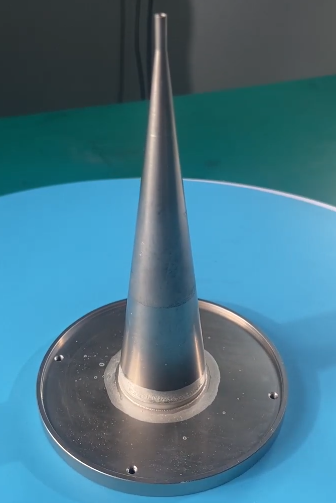
An ion source sampling cone sits at the front line of mass spectrometry. It faces high temperatures corrosive gases and constant mechanical stress. The weld quality determines whether the cone delivers accurate results or becomes a source of contamination and drift.
Beryllium copper is a high-performance copper alloy widely used in industries requiring a unique combination of electrical conductivity, strength, elasticity, and wear resistance.
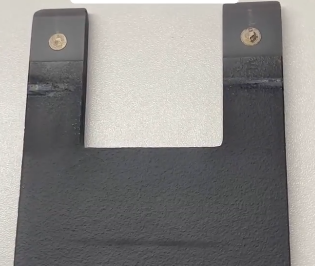
Silver contacts on silicon nitride ceramic heating plates take a beating. High temperatures thermal cycling and mechanical stress eventually take their toll. When the contact degrades heating performance suffers.