Vacuum Quenching of 420 Stainless Steel for Increased Hardness
Normantherm•12/15/2025
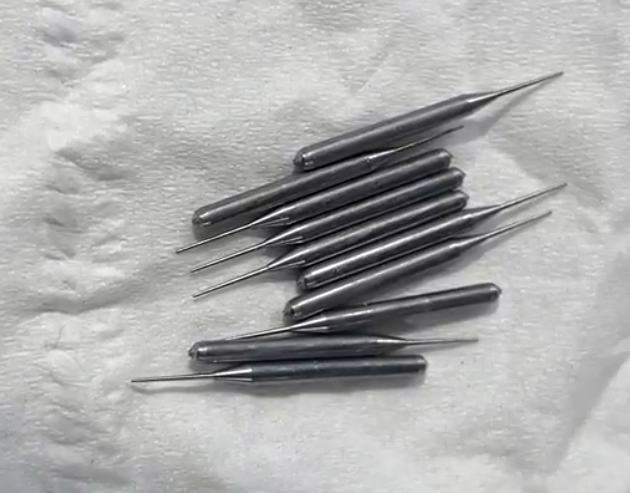
420 stainless steel is a martensitic stainless steel known for its ability to achieve high hardness while maintaining moderate corrosion resistance. It is widely used in cutting tools, surgical instruments, valve components, shafts, and automotive parts. In India’s expanding tooling, medical device, and precision engineering sectors, achieving consistent hardness and surface quality is critical. This is where vacuum quenching plays a key role.
Why Vacuum Quenching Is Essential for 420 Stainless Steel
The mechanical performance of 420 stainless steel depends heavily on its heat treatment cycle. During conventional processing, oxidation, decarburization, and uneven cooling can limit achievable hardness and dimensional accuracy.
Vacuum quenching addresses these challenges by providing:
Oxygen-free heating to prevent surface oxidation
Controlled austenitizing for uniform microstructure
Rapid, uniform cooling using high-pressure inert gas
Minimal distortion compared to oil quenching
Clean, bright surfaces without post-treatment cleaning
These advantages make vacuum quenching especially suitable for high-precision components.
How Vacuum Quenching Increases Hardness
When 420 stainless steel is heated to the austenitizing temperature under vacuum and then rapidly quenched, the austenite transforms into martensite — a hard, supersaturated structure responsible for increased hardness.
This process results in:
Significant hardness improvement
Enhanced wear and abrasion resistance
Improved edge retention for cutting applications
Stable dimensional control for tight-tolerance parts
Subsequent tempering can further optimize toughness while retaining high hardness levels.
Relevance to Indian Manufacturing Industries
India’s tooling, automotive, and medical manufacturing sectors increasingly demand components that meet international quality standards. Vacuum-quenched 420 stainless steel provides:
High hardness with repeatable results
Reduced rework and scrap rates
Improved surface finish for medical and food-grade components
Compliance with global manufacturing norms
As domestic production scales, advanced vacuum heat treatment becomes a competitive advantage for Indian manufacturers.
Normantherm’s Expertise in Vacuum Quenching
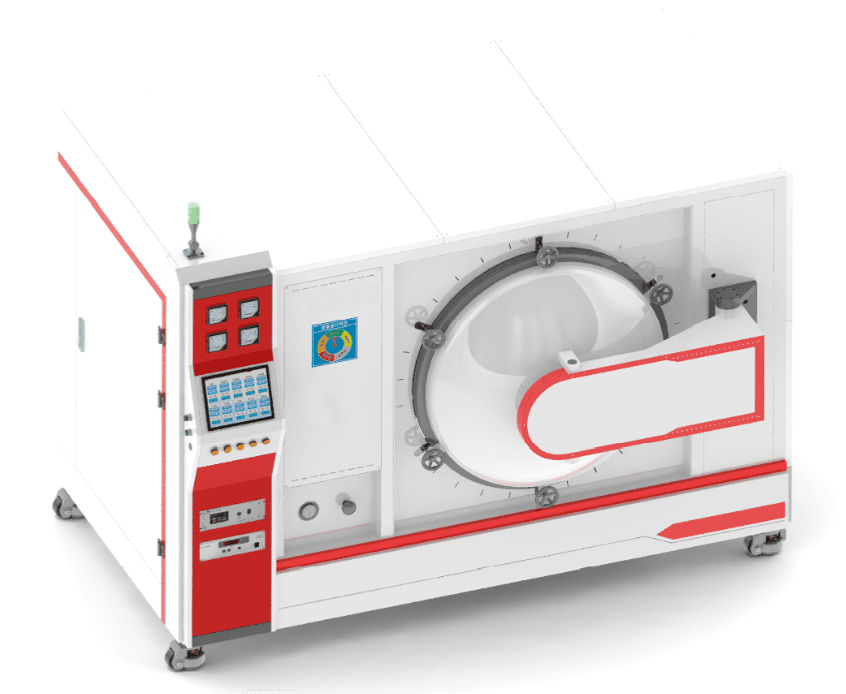
Normantherm designs and manufactures advanced vacuum heat treatment furnaces specifically optimized for martensitic stainless steels like 420. Our systems offer:
Reliable performance for small to large batch processing
By supporting manufacturers with stable, repeatable vacuum quenching solutions, Normantherm helps Indian industries achieve consistent hardness, improved component life, and superior product quality.
Conclusion
Vacuum quenching significantly increases the hardness and performance of 420 stainless steel while maintaining clean surfaces and dimensional accuracy. With advanced furnace technology and proven process control, Normantherm enables manufacturers to meet the rising demands of India’s tooling, medical, and precision engineering industries through reliable vacuum heat treatment solutions.
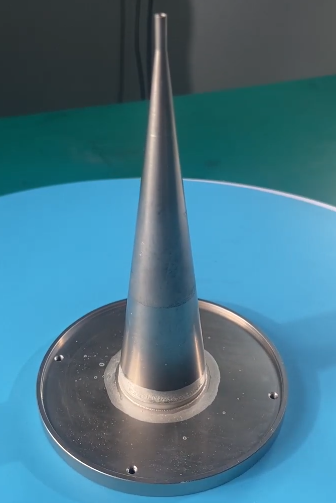
An ion source sampling cone sits at the front line of mass spectrometry. It faces high temperatures corrosive gases and constant mechanical stress. The weld quality determines whether the cone delivers accurate results or becomes a source of contamination and drift.
Beryllium copper is a high-performance copper alloy widely used in industries requiring a unique combination of electrical conductivity, strength, elasticity, and wear resistance.
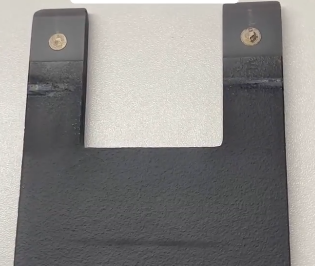
Silver contacts on silicon nitride ceramic heating plates take a beating. High temperatures thermal cycling and mechanical stress eventually take their toll. When the contact degrades heating performance suffers.