Vacuum Quenching of 420 Stainless Steel for High Hardness and Wear Resistance
Normantherm•2/25/2026
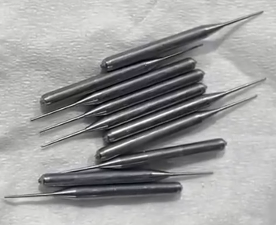
Vacuum quenching of 420 stainless steel is a precision heat treatment process designed to significantly enhance hardness wear resistance and overall mechanical strength. 420 stainless steel is a martensitic grade known for its high carbon content and ability to achieve excellent hardness after proper heat treatment making it ideal for tooling and wear-resistant applications.
During vacuum quenching the components are heated in a controlled high-vacuum furnace environment which prevents oxidation decarburization and surface contamination. Once the required austenitizing temperature is reached rapid gas quenching ensures uniform cooling and controlled transformation to martensite. This results in improved hardness dimensional stability and a clean bright surface finish without the need for post-treatment cleaning.
Vacuum quenched 420 stainless steel components offer enhanced durability improved edge retention and reliable mechanical performance. The process is widely used for precision tools molds surgical instruments valves and high-performance industrial parts where surface quality strength and long service life are critical.
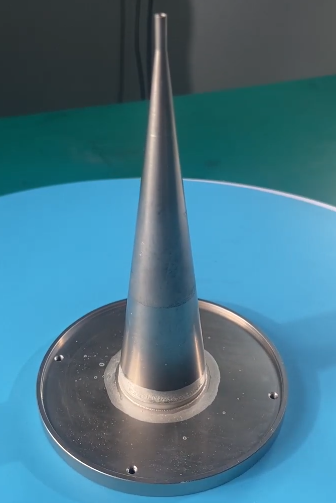
An ion source sampling cone sits at the front line of mass spectrometry. It faces high temperatures corrosive gases and constant mechanical stress. The weld quality determines whether the cone delivers accurate results or becomes a source of contamination and drift.
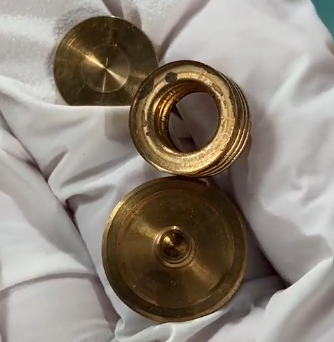
Beryllium copper is a high-performance copper alloy widely used in industries requiring a unique combination of electrical conductivity, strength, elasticity, and wear resistance.
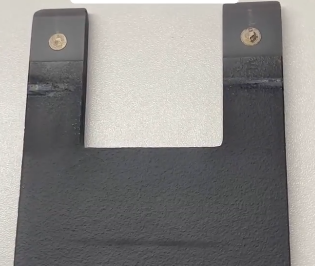
Silver contacts on silicon nitride ceramic heating plates take a beating. High temperatures thermal cycling and mechanical stress eventually take their toll. When the contact degrades heating performance suffers.