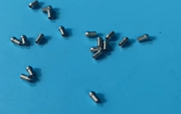
Vacuum demagnetization of 316 stainless steel is a precision process designed to eliminate residual magnetism and restore true non-magnetic performance. Although 316 stainless steel is generally considered non-magnetic cold working machining or welding can introduce slight magnetic properties that may interfere with sensitive applications.
Using a controlled vacuum environment the demagnetization process removes unwanted magnetic fields without oxidation contamination or surface damage. The oxygen-free condition ensures the material maintains its corrosion resistance surface quality and dimensional accuracy. This clean thermal treatment stabilizes the microstructure and improves overall reliability.
After vacuum demagnetization 316 stainless steel components demonstrate stable non-magnetic behavior improved machining consistency and enhanced operational performance. This process is especially important for precision instruments medical devices electronic assemblies semiconductor equipment and other industries where strict non-magnetic standards and high-quality results are required.
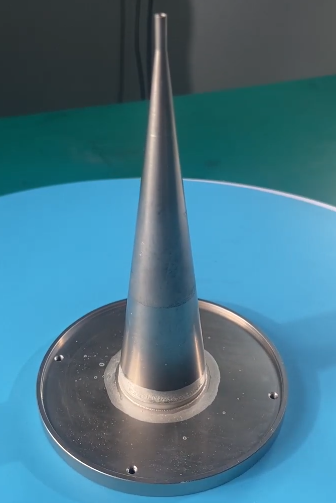
An ion source sampling cone sits at the front line of mass spectrometry. It faces high temperatures corrosive gases and constant mechanical stress. The weld quality determines whether the cone delivers accurate results or becomes a source of contamination and drift.
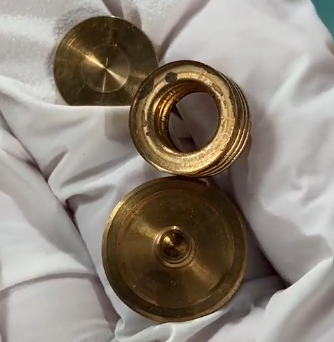
Beryllium copper is a high-performance copper alloy widely used in industries requiring a unique combination of electrical conductivity, strength, elasticity, and wear resistance.
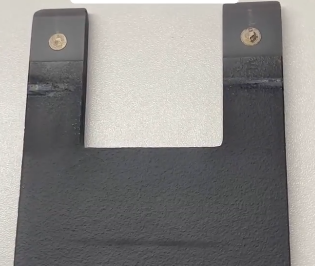
Silver contacts on silicon nitride ceramic heating plates take a beating. High temperatures thermal cycling and mechanical stress eventually take their toll. When the contact degrades heating performance suffers.