Vacuum Brazing of YG10 Carbide and Titanium Alloy for High-Strength Applications
Normantherm•12/26/2025
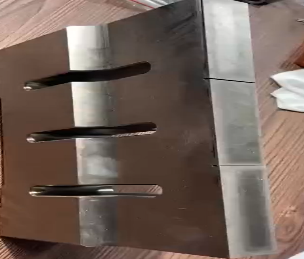
Vacuum brazing of YG10 cemented carbide and titanium alloy is an advanced joining process used to produce strong, precise and reliable bonds between these two dissimilar materials. YG10 carbide is valued for its high hardness and excellent wear resistance, while titanium alloys are known for their high strength-to-weight ratio and corrosion resistance. Due to the brittleness of carbide and the high reactivity of titanium at elevated temperatures, conventional welding methods are not suitable. Vacuum brazing provides an oxygen-free environment that ensures clean interfaces and consistent joint quality.
Vacuum Brazing Process for YG10 Carbide Titanium Joints
In this process, a carefully selected active brazing filler metal is placed at the interface between the YG10 carbide and titanium alloy components. The assembled parts are heated uniformly in a high-vacuum furnace, preventing oxidation and contamination. As the brazing temperature is reached, the filler metal melts and wets both the carbide and titanium surfaces, forming a strong metallurgical bond.
Controlled heating and cooling cycles are critical to minimize thermal stress, reduce the risk of cracking, and maintain the dimensional accuracy of the components.
These joints are widely used in cutting and drilling tools, aerospace components, wear-resistant parts, and high-performance industrial assemblies, where precision, reliability and long service life are essential.
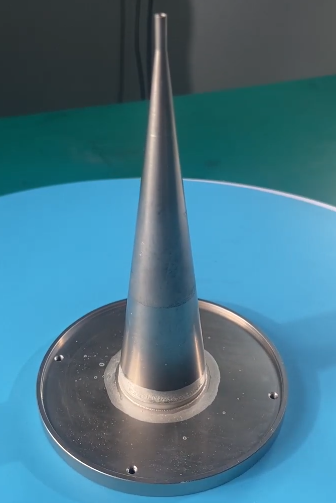
An ion source sampling cone sits at the front line of mass spectrometry. It faces high temperatures corrosive gases and constant mechanical stress. The weld quality determines whether the cone delivers accurate results or becomes a source of contamination and drift.
Beryllium copper is a high-performance copper alloy widely used in industries requiring a unique combination of electrical conductivity, strength, elasticity, and wear resistance.
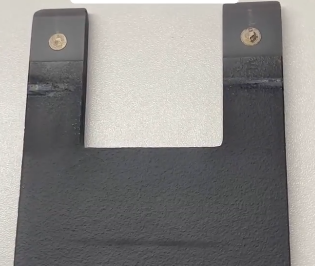
Silver contacts on silicon nitride ceramic heating plates take a beating. High temperatures thermal cycling and mechanical stress eventually take their toll. When the contact degrades heating performance suffers.