Vacuum brazing of tungsten steel to high-speed steel
Normantherm•5/8/2026
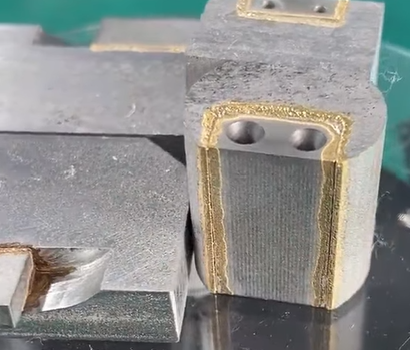
Vacuum brazing of tungsten steel to high-speed steel is a precision joining process widely used in the manufacturing of cutting tools, wear-resistant components, and industrial tooling applications. This process combines the extreme hardness and wear resistance of tungsten steel with the toughness and machinability of high-speed steel, resulting in high-performance composite tools.
During vacuum brazing, the components are assembled with a suitable brazing filler alloy and heated inside a high-vacuum furnace. The vacuum environment prevents oxidation and contamination, allowing the filler metal to flow smoothly into the joint area through capillary action. This creates a strong, clean, and reliable metallurgical bond between the tungsten steel and high-speed steel materials.
The process offers several advantages, including excellent joint strength, minimal deformation, accurate dimensional control, and superior surface finish. Vacuum brazed tools also provide improved thermal stability and extended service life under high-speed machining and heavy cutting conditions. Common applications include drill bits, milling cutters, saw blades, mining tools, and precision machining components where durability and cutting efficiency are essential.
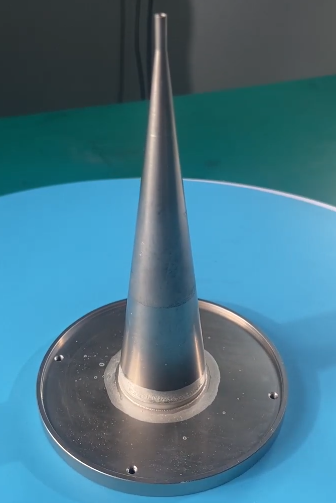
An ion source sampling cone sits at the front line of mass spectrometry. It faces high temperatures corrosive gases and constant mechanical stress. The weld quality determines whether the cone delivers accurate results or becomes a source of contamination and drift.
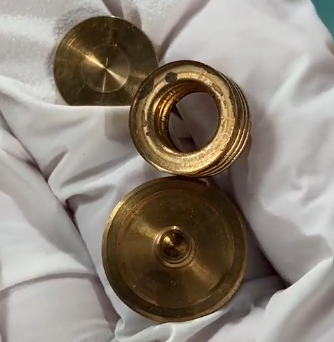
Beryllium copper is a high-performance copper alloy widely used in industries requiring a unique combination of electrical conductivity, strength, elasticity, and wear resistance.
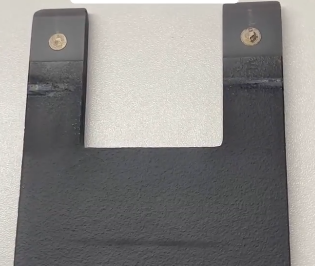
Silver contacts on silicon nitride ceramic heating plates take a beating. High temperatures thermal cycling and mechanical stress eventually take their toll. When the contact degrades heating performance suffers.