Vacuum Brazing of Tungsten Carbide and Stainless Steel for High-Pressure Rotary Joint Mandrels
Normantherm•4/20/2026
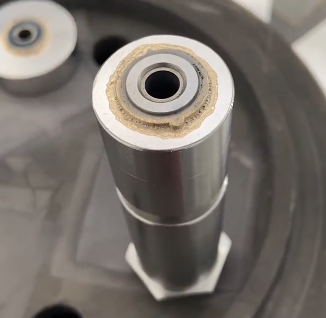
High-pressure rotary joint mandrels face a tough job. They must seal reliably under pressure spin continuously without wearing out and maintain performance over long service lives. Tungsten carbide and stainless steel together make an ideal material pair for this application but only when brazed correctly. Our high-precision vacuum brazing delivers exactly that. Tungsten carbide brings exceptional wear resistance and hardness to the sealing surfaces. Stainless steel provides structural strength corrosion resistance and ease of integration into larger assemblies. Joining them requires a clean controlled process that avoids oxidation and creates a consistent bond line across the entire interface.
Our vacuum brazing technology meets this challenge. The vacuum environment removes contaminants that could weaken the joint. Precise thermal control ensures the filler metal flows evenly without damaging either base material. The result is strong bonding that holds up under pressure and resists the wear of continuous rotation.
These brazed mandrels deliver reliable sealing performance even in demanding industrial systems. They offer excellent wear resistance pressure stability and long service life. When your rotary joints need to perform day after day vacuum-brazed tungsten carbide to stainless steel mandrels are the answer.
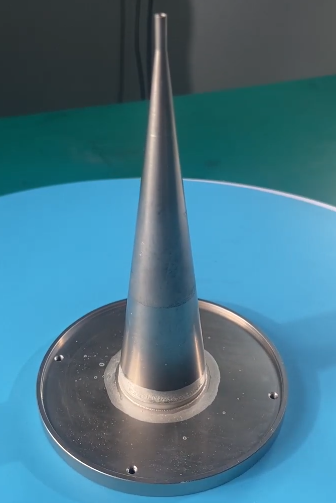
An ion source sampling cone sits at the front line of mass spectrometry. It faces high temperatures corrosive gases and constant mechanical stress. The weld quality determines whether the cone delivers accurate results or becomes a source of contamination and drift.
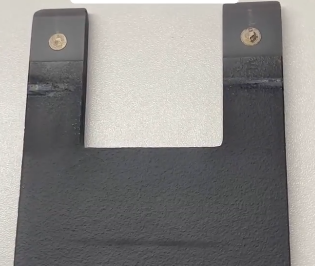
Beryllium copper is a high-performance copper alloy widely used in industries requiring a unique combination of electrical conductivity, strength, elasticity, and wear resistance.
Silver contacts on silicon nitride ceramic heating plates take a beating. High temperatures thermal cycling and mechanical stress eventually take their toll. When the contact degrades heating performance suffers.