Vacuum Brazing of Stainless Steel and Cemented Carbide Balls
Normantherm•12/25/2025
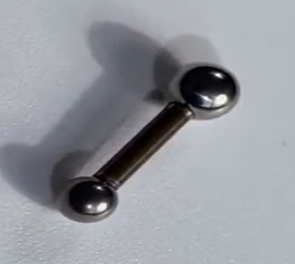
Vacuum brazing of stainless steel and cemented carbide balls is a proven joining technology widely used in precision tools, valves, bearings and wear-resistant mechanical components. Since stainless steel and cemented carbide have very different thermal expansion, hardness and melting characteristics, conventional welding methods are unreliable. Vacuum brazing offers a clean, controlled and highly dependable solution for joining these dissimilar materials.
Vacuum Brazing Process for Steel–Carbide Assemblies
In this process, the stainless steel component and cemented carbide ball are assembled and placed inside a high-vacuum brazing furnace. The oxygen-free environment prevents oxidation and ensures proper wetting of the joint surfaces. A carefully selected high-temperature brazing alloy, commonly based on nickel, silver or copper is introduced at the joint interface.
As the furnace reaches the brazing temperature, the filler metal melts and flows into the microscopic gap between the steel and carbide through capillary action. This results in a uniform, metallurgically bonded joint without melting or damaging the base materials.
Advantages of Vacuum Brazing Stainless Steel to Carbide
· minimal thermal distortion and precise alignment
· clean, oxidation-free bonding surfaces
· consistent quality and long service life
Industrial Applications in India
Due to its reliability and performance, this process is widely used across Indian manufacturing industries for:
· cutting and drilling tools
· valve and sealing components
· bearing assemblies
· wear-resistant mechanical parts
By combining controlled atmosphere processing with optimized brazing alloys, vacuum brazing ensures durable and high-performance stainless steel and cemented carbide assemblies, making it the preferred joining method for demanding industrial applications in India.
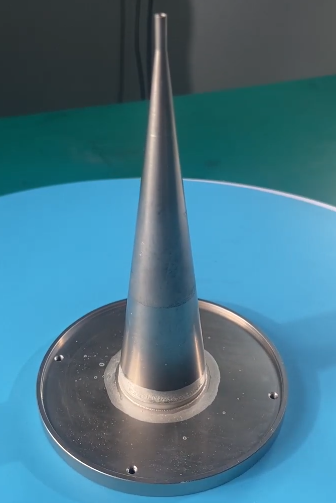
An ion source sampling cone sits at the front line of mass spectrometry. It faces high temperatures corrosive gases and constant mechanical stress. The weld quality determines whether the cone delivers accurate results or becomes a source of contamination and drift.
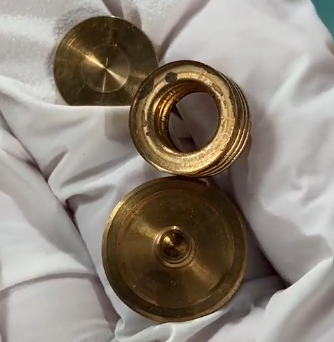
Beryllium copper is a high-performance copper alloy widely used in industries requiring a unique combination of electrical conductivity, strength, elasticity, and wear resistance.
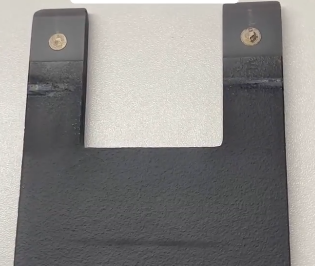
Silver contacts on silicon nitride ceramic heating plates take a beating. High temperatures thermal cycling and mechanical stress eventually take their toll. When the contact degrades heating performance suffers.