Vacuum Brazing of PDC to Stainless Steel Shafts for High-Performance Tools & Dies
Normantherm•2/11/2026
Material Properties of PDC and Stainless Steel for Heavy-Duty Tooling Applications
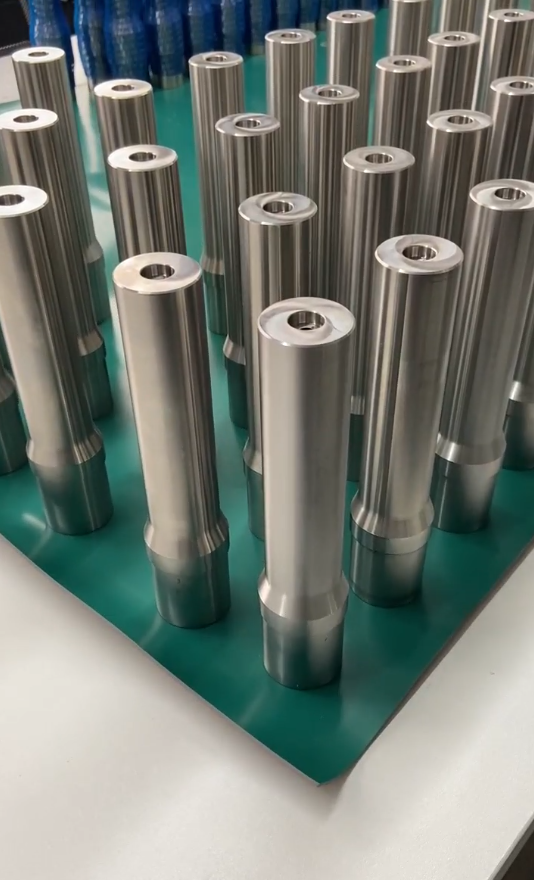
Polycrystalline Diamond (PDC) is an ultra-hard engineered material known for its outstanding wear resistance, high compressive strength, and excellent thermal conductivity. These characteristics make PDC ideal for cutting, drilling, and forming operations in the tools and dies industry. Stainless steel shafts, commonly produced from grades such as 304 or 316, provide high toughness, corrosion resistance, and mechanical stability. When PDC is joined to a stainless steel shaft, the result is a tool component that delivers extreme surface hardness along with strong structural support. This combination is widely used in punches, trimming tools, mold inserts, and high-precision dies where long tool life and consistent performance are essential.
Vacuum Brazing Process Parameters for Joining PDC to Stainless Steel
Before brazing, both the PDC and stainless steel shaft undergo thorough pre-cleaning to remove oils, oxides, and surface contaminants. A specially formulated active brazing paste, typically silver or copper based with titanium, is applied to ensure proper wetting and bonding to the diamond surface. The assembly is then placed into a vacuum furnace, where brazing temperatures generally range from 780°C to 950°C under vacuum levels better than 10⁻⁵ mbar. In this oxygen-free environment, the filler metal melts and flows uniformly, creating a strong metallurgical joint. Vacuum brazing prevents oxidation, eliminates the need for flux, and produces clean, high-strength joints with excellent repeatability.
Normantherm Vacuum Furnace Solutions for Precision PDC and Stainless Steel Brazing
Normantherm vacuum furnaces are designed to provide precise temperature control, stable high-vacuum conditions, and uniform heat distribution, all of which are critical for brazing PDC to stainless steel shafts. These furnaces support both research and high-volume production, ensuring consistent joint quality across every cycle. With advanced vacuum technology and robust thermal control, Normantherm furnace systems help manufacturers achieve oxidation-free brazing, superior bond strength, and reliable process repeatability for tools, dies, and wear-resistant components.
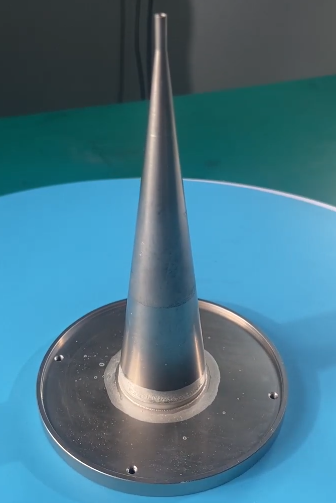
An ion source sampling cone sits at the front line of mass spectrometry. It faces high temperatures corrosive gases and constant mechanical stress. The weld quality determines whether the cone delivers accurate results or becomes a source of contamination and drift.
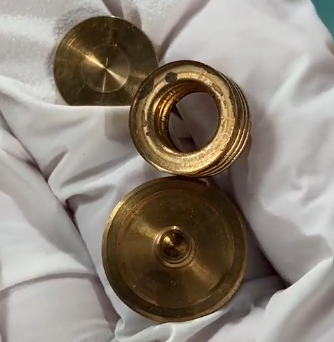
Beryllium copper is a high-performance copper alloy widely used in industries requiring a unique combination of electrical conductivity, strength, elasticity, and wear resistance.
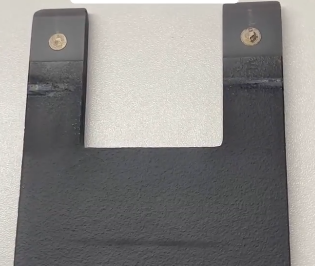
Silver contacts on silicon nitride ceramic heating plates take a beating. High temperatures thermal cycling and mechanical stress eventually take their toll. When the contact degrades heating performance suffers.