Vacuum Brazing of Cemented Carbide and SKD11 Steel for High-Performance Tooling Applications
Normantherm•4/2/2026
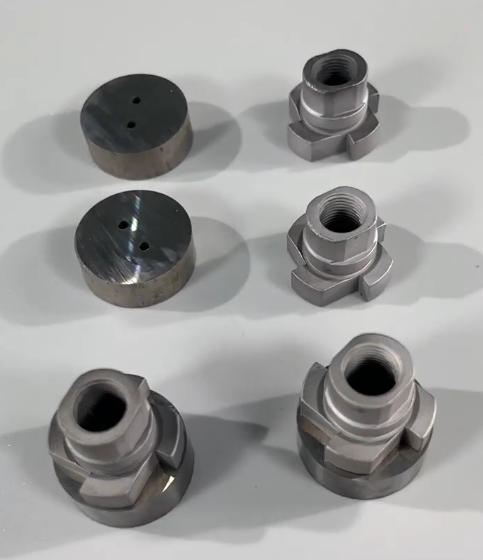
The combination of cemented carbide and SKD11 steel is widely used in tooling and die manufacturing due to the complementary properties of both materials. Cemented carbide offers exceptional hardness and wear resistance, while SKD11 steel provides toughness, strength, and dimensional stability.
To effectively join these dissimilar materials, manufacturers rely on advanced vacuum brazing technology to achieve strong, reliable bonds without compromising material performance.
Understanding the Materials: Cemented Carbide and SKD11 Steel
Cemented Carbide is a composite material made from tungsten carbide particles bonded with a metal binder. It is known for its extreme hardness, abrasion resistance, and ability to maintain cutting performance under high stress.
SKD11 Steel is a high-carbon, high-chromium tool steel widely used in die and mold applications. It offers excellent wear resistance, toughness, and dimensional stability.
Combining these materials allows manufacturers to create tools that are both durable and resistant to wear.
Challenges in Joining Carbide and Tool Steel
Joining cemented carbide to SKD11 steel presents several technical challenges.
The materials have different thermal expansion coefficients and mechanical properties, which can lead to cracking or weak bonding if not properly controlled. Conventional welding methods often introduce oxidation, residual stress, and thermal distortion.
To overcome these challenges, a controlled and contamination-free process is required.
Why Vacuum Brazing Is the Ideal Solution
Vacuum brazing provides the optimal environment for joining carbide and tool steel components.
The process is carried out in a high-vacuum furnace, where oxygen and contaminants are removed, ensuring clean bonding surfaces. Precise temperature control allows the brazing filler metal to flow evenly, creating a strong metallurgical bond.
Key advantages include:
Oxidation-free processing
Uniform heat distribution
Reduced thermal stress
Strong and reliable joint formation
High repeatability for batch production
These factors are essential for producing high-performance tooling components.
Performance Benefits of Vacuum-Brazed Assemblies
Vacuum-brazed cemented carbide and SKD11 components offer superior performance in demanding applications.
These benefits include:
High wear resistance at cutting edges
Strong mechanical support from the steel base
Improved durability and service life
Stable performance under high load conditions
Consistent dimensional accuracy
Such characteristics are critical in tooling and die manufacturing industries.
Applications in India’s Tooling and Die Industry
In India, vacuum-brazed carbide and SKD11 assemblies are widely used in:
Punches and dies
Stamping and forming tools
Cutting tools
Wear-resistant inserts
Industrial molds
As manufacturing standards continue to rise, the demand for reliable and durable tooling solutions is increasing rapidly.
Normantherm’s Role in Tooling Vacuum Brazing
Normantherm designs and manufactures advanced vacuum brazing furnaces specifically for tooling applications involving dissimilar materials.
Our systems provide:
High-vacuum, contamination-free environments
Precise temperature control and uniform heating
Reliable brazing cycles for complex geometries
Consistent and repeatable production results
These capabilities enable manufacturers to produce high-quality carbide and steel components with confidence.
Conclusion
Vacuum brazing of cemented carbide and SKD11 steel enables the production of high-performance tooling components that combine hardness, toughness, and durability. By ensuring clean and reliable joints, this process supports the growing demands of modern manufacturing.
With advanced furnace technology and process expertise, Normantherm continues to deliver reliable solutions for complex material joining in the tooling and die industry.
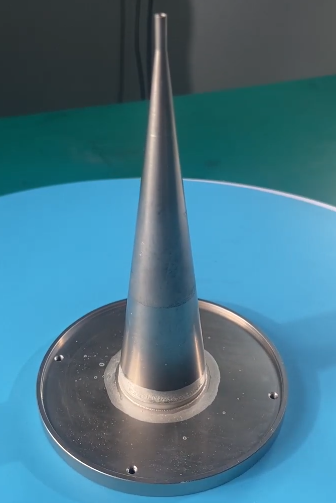
An ion source sampling cone sits at the front line of mass spectrometry. It faces high temperatures corrosive gases and constant mechanical stress. The weld quality determines whether the cone delivers accurate results or becomes a source of contamination and drift.
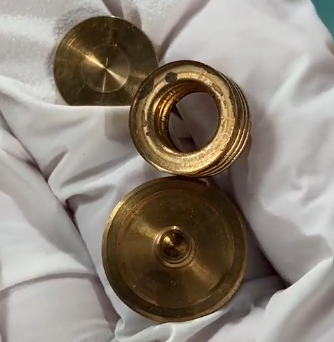
Beryllium copper is a high-performance copper alloy widely used in industries requiring a unique combination of electrical conductivity, strength, elasticity, and wear resistance.
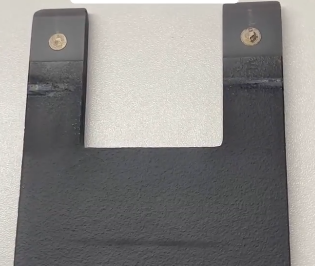
Silver contacts on silicon nitride ceramic heating plates take a beating. High temperatures thermal cycling and mechanical stress eventually take their toll. When the contact degrades heating performance suffers.