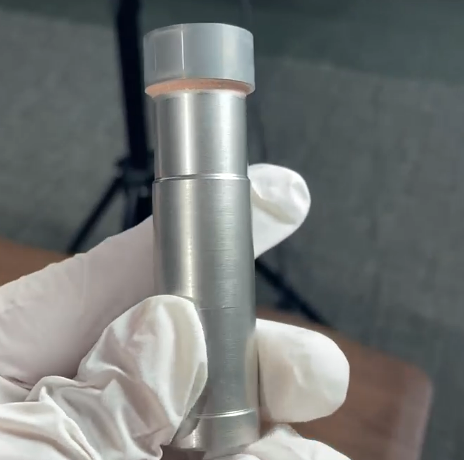
Vacuum Brazed Finished Products Made of Mold Steel and Tungsten Steel
Normantherm•1/26/2026
Tooling and mold components often operate under extreme wear, pressure, and repetitive loading. Combining mold steel with tungsten steel provides an effective balance of toughness and hardness required for long service life.
Vacuum brazing enables these materials to be joined reliably for high-performance finished products.
Advantages of Vacuum Brazing for Mold and Tungsten Steel
Joining mold steel and tungsten steel using conventional methods can result in cracking or weak interfaces. Vacuum brazing overcomes these challenges by providing:
Oxidation-free bonding
Strong metallurgical joints
Uniform heat distribution
Minimal thermal distortion
These benefits ensure consistent quality in finished products.
Performance Characteristics of Finished Products
Vacuum brazed mold steel and tungsten steel products offer:
High wear resistance at functional surfaces
Structural stability under heavy loads
Improved service life and reliability
Precision dimensional control
This makes them suitable for demanding industrial applications.
Applications in Tooling and Mold Industry
In India, such vacuum brazed finished products are widely used in:
Injection molding tools
Die-casting molds
Cutting and forming tools
Wear-resistant mold inserts
As tooling quality standards rise, vacuum brazing becomes essential.
Normantherm’s Role in Mold and Tool Manufacturing
Normantherm provides advanced vacuum brazing furnaces tailored for mold and tooling applications, offering:
High vacuum levels for clean joints
Accurate temperature control
Repeatable processing for batch production
Support for complex mold geometries
These capabilities help manufacturers achieve consistent results.
Conclusion
Finished products made of mold steel and tungsten steel through vacuum brazing deliver superior durability, precision, and performance. With advanced furnace technology and application expertise, Normantherm supports India’s tooling, mold, and die manufacturing industries by enabling reliable and efficient joining solutions.
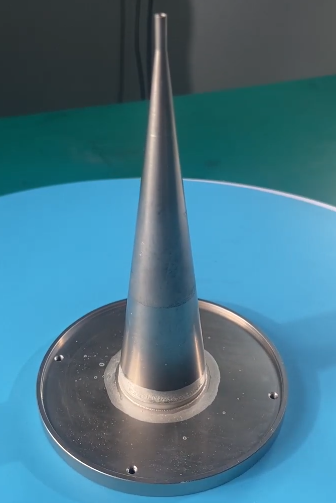
An ion source sampling cone sits at the front line of mass spectrometry. It faces high temperatures corrosive gases and constant mechanical stress. The weld quality determines whether the cone delivers accurate results or becomes a source of contamination and drift.
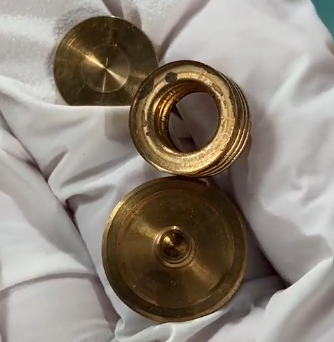
Beryllium copper is a high-performance copper alloy widely used in industries requiring a unique combination of electrical conductivity, strength, elasticity, and wear resistance.
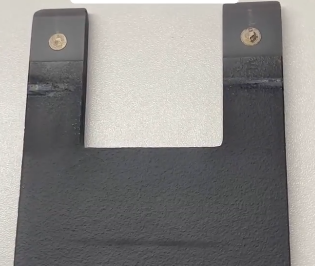
Silver contacts on silicon nitride ceramic heating plates take a beating. High temperatures thermal cycling and mechanical stress eventually take their toll. When the contact degrades heating performance suffers.