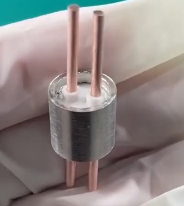
Stainless Steel Copper and Ceramic Welding – Finished Ceramic Electrodes
Normantherm•3/19/2026
Welding stainless steel copper and ceramic materials to produce finished ceramic electrodes is a highly specialized process used in advanced electrical and industrial applications. This multi-material combination brings together the strength and corrosion resistance of stainless steel the excellent electrical and thermal conductivity of copper and the insulation and high-temperature stability of ceramic.
Because of the differences in thermal expansion and material properties precision joining techniques such as vacuum brazing or active metal bonding are used to achieve reliable results. The process is carried out in a controlled environment to prevent oxidation and ensure clean interfaces while the filler material creates a strong metallurgical bond between metal and ceramic surfaces.
The finished ceramic electrodes deliver stable electrical performance efficient heat transfer and high mechanical integrity even under extreme operating conditions. These components are widely used in power systems semiconductor equipment vacuum devices sensors and high-temperature industrial applications where durability precision and long-term reliability are critical.
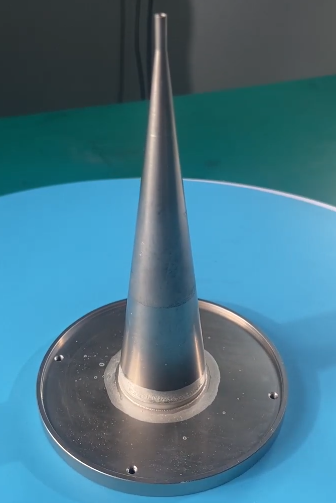
An ion source sampling cone sits at the front line of mass spectrometry. It faces high temperatures corrosive gases and constant mechanical stress. The weld quality determines whether the cone delivers accurate results or becomes a source of contamination and drift.
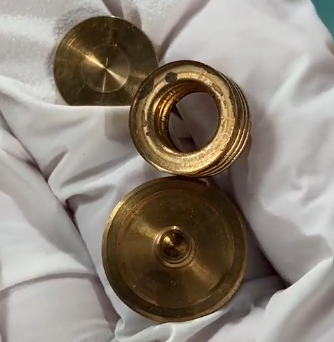
Beryllium copper is a high-performance copper alloy widely used in industries requiring a unique combination of electrical conductivity, strength, elasticity, and wear resistance.
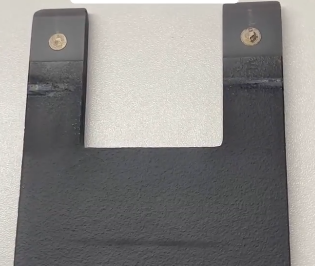
Silver contacts on silicon nitride ceramic heating plates take a beating. High temperatures thermal cycling and mechanical stress eventually take their toll. When the contact degrades heating performance suffers.