Precision Welding of Alumina Ceramics and Kovar Alloy
Normantherm•3/24/2026
Bonding ceramics to metal is one of the more difficult challenges in precision manufacturing. Alumina ceramic and Kovar alloy have very different thermal expansion rates which makes achieving a reliable joint technically demanding. Our advanced vacuum brazing technology meets that challenge head on.
The key to success lies in the vacuum environment. By removing oxygen and contaminants before the brazing process begins we create clean active surfaces that bond readily. This allows us to form a strong leak-tight seal between the alumina ceramic and Kovar alloy without introducing stress cracks or weak points.
The result is a joint that holds up under real-world conditions. It maintains its integrity through temperature swings mechanical vibration and long service life. For applications where failure is not an option this level of reliability matters.
This precision joining process is perfect for high-reliability applications across electronics aerospace and medical industries. Whether it is hermetic feedthroughs sensor housings or implantable device components our ceramic-to-metal brazing delivers the performance engineers count on.
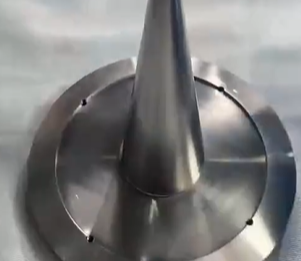
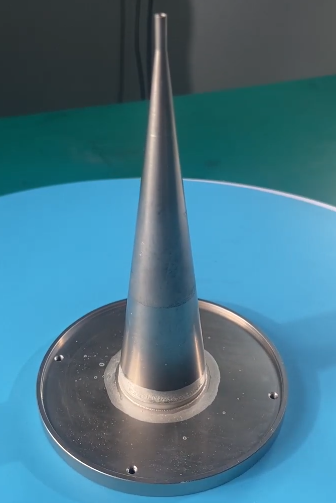
An ion source sampling cone sits at the front line of mass spectrometry. It faces high temperatures corrosive gases and constant mechanical stress. The weld quality determines whether the cone delivers accurate results or becomes a source of contamination and drift.
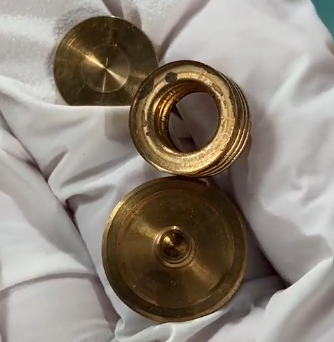
Beryllium copper is a high-performance copper alloy widely used in industries requiring a unique combination of electrical conductivity, strength, elasticity, and wear resistance.
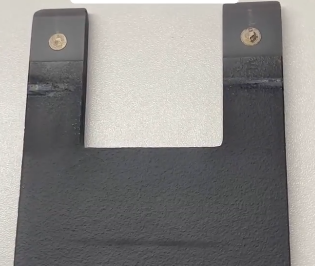
Silver contacts on silicon nitride ceramic heating plates take a beating. High temperatures thermal cycling and mechanical stress eventually take their toll. When the contact degrades heating performance suffers.