Mold steel offers toughness and machinability. Tungsten steel delivers extreme hardness and wear resistance. Weld them together and you get a component that stands up to the most demanding tooling applications without compromising on strength or reliability.
The idea is straightforward. Put tungsten steel where abrasion and wear are worst. Let mold steel carry the structural load and absorb impact. Together they outlast any single-material component while keeping manufacturing costs practical. But welding these two materials requires real skill. Their different thermal properties and compositions can lead to cracking or weak joints if the process is not carefully controlled. Our high-strength welding technology solves this problem. The result is a clean consistent bond that holds up under heavy use.
Each finished component delivers excellent wear resistance at the working surface plus reliable bonding throughout the joint. The extended service life means fewer changeouts less downtime and lower operating costs.
This welding solution is ideal for demanding tooling applications including injection molds stamping dies and forming tools. When your production environment pushes equipment to its limits mold steel to tungsten steel welding delivers the durability you need.
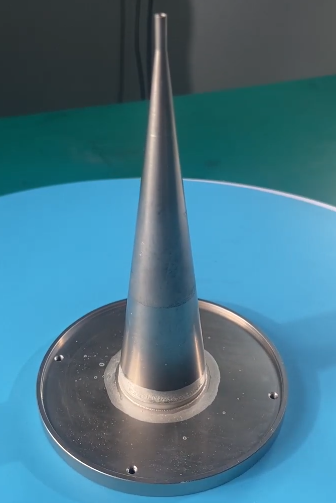
An ion source sampling cone sits at the front line of mass spectrometry. It faces high temperatures corrosive gases and constant mechanical stress. The weld quality determines whether the cone delivers accurate results or becomes a source of contamination and drift.
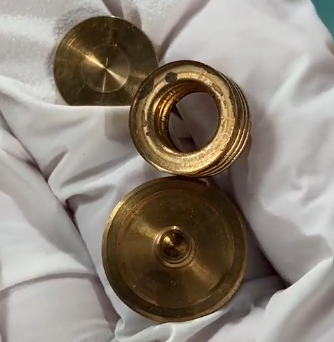
Beryllium copper is a high-performance copper alloy widely used in industries requiring a unique combination of electrical conductivity, strength, elasticity, and wear resistance.
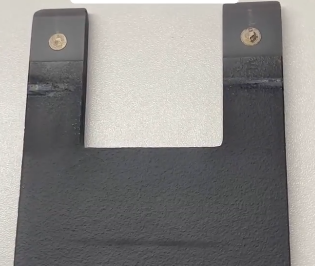
Silver contacts on silicon nitride ceramic heating plates take a beating. High temperatures thermal cycling and mechanical stress eventually take their toll. When the contact degrades heating performance suffers.