Heat Treatment of Nickel-Beryllium Alloy Springs for Degassing and Hydrogen Removal
Normantherm•12/29/2025
Nickel-beryllium alloy springs are widely used in vacuum and high-purity industrial systems where efficient gas control is critical. Their ability to support degassing, deoxygenation, and hydrogen removal processes makes them essential components in advanced manufacturing environments.
To achieve optimal performance, precise heat treatment is required to enhance elasticity, strength, and long-term stability.
Role of Nickel-Beryllium Alloy Springs in Vacuum Systems
Nickel-beryllium alloys combine excellent mechanical properties with thermal stability and resistance to fatigue. When formed into springs, these alloys support critical functions such as:
Degassing during vacuum processing
Deoxygenation in controlled atmospheres
Hydrogen removal in metallurgical and electronic applications
Stable mechanical response under thermal cycling
These characteristics are particularly important in vacuum furnaces and high-temperature processing equipment.
Why Heat Treatment Is Essential
As-formed nickel-beryllium alloy springs do not achieve their full elastic potential without proper heat treatment. Controlled heat treatment modifies the alloy’s microstructure, resulting in improved performance.
Key benefits of heat treatment include:
Increased elasticity and spring recovery
Improved fatigue resistance
Enhanced dimensional stability
Consistent mechanical behavior under vacuum conditions
Longer operational life
This makes heat treatment a critical step in spring manufacturing.
Vacuum Heat Treatment for High-Purity Applications
Vacuum heat treatment is preferred for nickel-beryllium alloy springs used in gas-sensitive environments. Processing in a vacuum prevents oxidation and contamination, ensuring clean surfaces and stable material properties.
Advantages include:
Oxide-free spring surfaces
Precise temperature uniformity
Reduced hydrogen embrittlement risks
Reliable repeatability for batch production
Such control is essential for components used in degassing and hydrogen removal systems.
Relevance to India’s Advanced Manufacturing Industry
India’s growth in semiconductor fabrication, vacuum metallurgy, energy systems, and advanced material processing has increased demand for high-performance nickel-beryllium alloy springs. These components are commonly used in:
Vacuum furnaces
Semiconductor manufacturing equipment
Metallurgical processing systems
Gas purification and control units
Reliable heat treatment ensures these springs meet strict operational requirements.
Normantherm’s Role in Nickel-Beryllium Alloy Heat Treatment
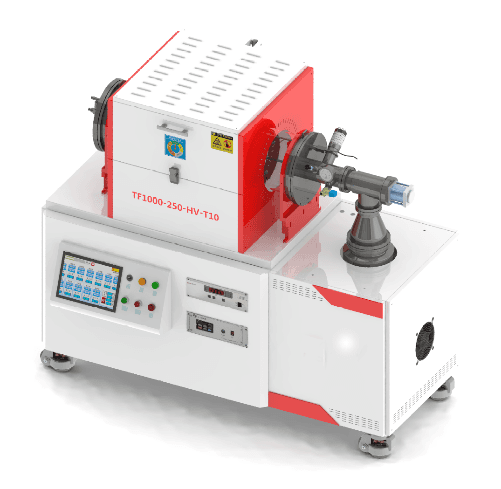
Normantherm designs and manufactures advanced vacuum heat treatment furnaces optimized for nickel-beryllium alloys. Our solutions provide:
Stable high-vacuum environments
Precise temperature control for elasticity enhancement
Uniform heating for consistent spring performance
Repeatable results for industrial-scale production
By supporting accurate heat treatment processes, Normantherm enables manufacturers to deliver high-quality springs for critical vacuum and gas-control applications.
Conclusion
Heat-treated nickel-beryllium alloy springs are essential for effective degassing, deoxygenation, and hydrogen removal in advanced industrial systems. Precision vacuum heat treatment enhances elasticity, durability, and reliability. With advanced furnace technology, Normantherm supports manufacturers serving India’s rapidly evolving vacuum and high-purity process industries.
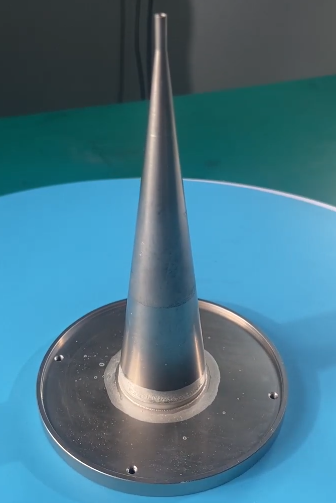
An ion source sampling cone sits at the front line of mass spectrometry. It faces high temperatures corrosive gases and constant mechanical stress. The weld quality determines whether the cone delivers accurate results or becomes a source of contamination and drift.
Beryllium copper is a high-performance copper alloy widely used in industries requiring a unique combination of electrical conductivity, strength, elasticity, and wear resistance.
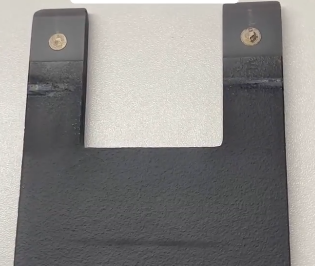
Silver contacts on silicon nitride ceramic heating plates take a beating. High temperatures thermal cycling and mechanical stress eventually take their toll. When the contact degrades heating performance suffers.