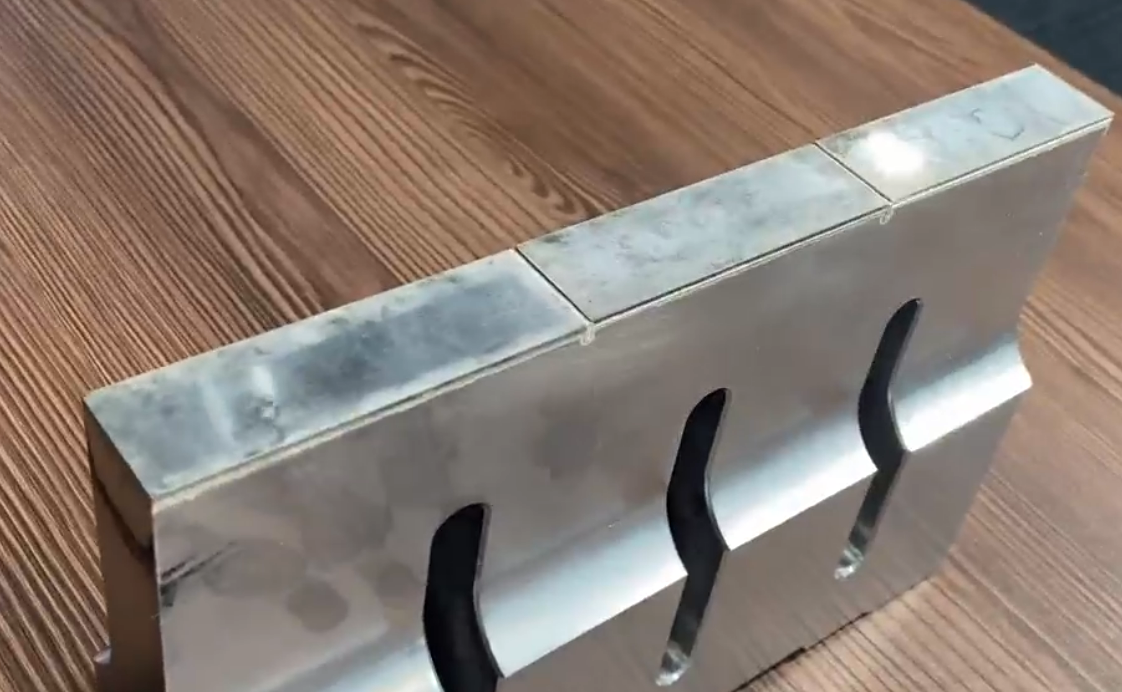
Finished Cemented Carbide Ultrasonic Cutting Tools Using Vacuum Brazing
Normantherm•1/13/2026
Ultrasonic machining requires cutting tools that can endure extreme vibration, precision load control, and extended operating cycles. The quality of the joint between the cutting edge and tool body directly affects tool life and machining accuracy.
Vacuum brazing cemented carbide YG10 with titanium alloy has become a reliable solution for manufacturing high-performance ultrasonic cutting tools.
Why Vacuum Brazing Is Critical for Ultrasonic Cutting Tools
Ultrasonic cutting involves high-frequency oscillations that can quickly weaken conventional joints. Vacuum brazing provides a metallurgical bond capable of handling continuous vibration without joint fatigue.
Key benefits include:
High joint strength and vibration resistance
Oxidation-free bonding without flux
Uniform brazed layers for consistent performance
Minimal thermal distortion of precision components
These characteristics are essential for ultrasonic tool reliability.
Material Advantages: YG10 Cemented Carbide and Titanium Alloy
YG10 cemented carbide offers exceptional hardness and wear resistance, making it ideal for cutting edges exposed to abrasive conditions. Titanium alloy provides high strength, low density, and excellent vibration damping properties.
When vacuum brazed together, these materials create tools that balance cutting efficiency with structural stability.
Applications in India’s Ultrasonic Machining Industry
India’s electronics, ceramics, aerospace components, and precision engineering sectors increasingly adopt ultrasonic machining for complex and brittle materials. Vacuum brazed ultrasonic cutting tools are widely used for:
Precision slotting and contour machining
Micro-machining of hard and brittle materials
High-frequency cutting applications
Advanced surface finishing operations
As adoption grows, tool performance becomes a critical competitive factor.
Normantherm’s Role in Ultrasonic Tool Manufacturing
Normantherm provides advanced vacuum brazing furnaces designed to meet the demanding requirements of ultrasonic tool production. Our systems ensure:
Stable vacuum environments for carbide brazing
Precise temperature control for titanium alloy compatibility
Repeatable results for batch tool production
Support for complex ultrasonic tool geometries
These capabilities help manufacturers achieve consistent quality and longer tool life.
Conclusion
Finished cemented carbide ultrasonic cutting tools made by vacuum brazing YG10 with titanium alloy deliver superior durability, vibration resistance, and precision. With advanced furnace technology and application expertise, Normantherm supports India’s growing ultrasonic machining industry by enabling reliable production of high-performance cutting tools.
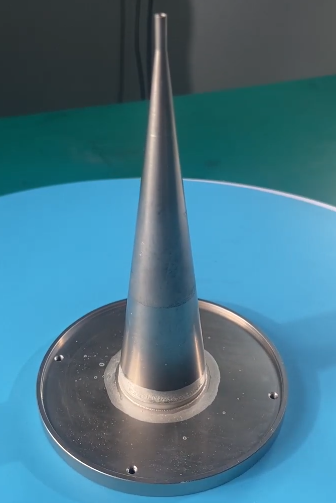
An ion source sampling cone sits at the front line of mass spectrometry. It faces high temperatures corrosive gases and constant mechanical stress. The weld quality determines whether the cone delivers accurate results or becomes a source of contamination and drift.
Beryllium copper is a high-performance copper alloy widely used in industries requiring a unique combination of electrical conductivity, strength, elasticity, and wear resistance.
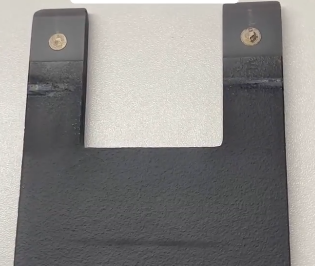
Silver contacts on silicon nitride ceramic heating plates take a beating. High temperatures thermal cycling and mechanical stress eventually take their toll. When the contact degrades heating performance suffers.