CR12MoV Steel and Tungsten Carbide Vacuum Brazing: Precision Solutions for Tools and Dies Industry
Normantherm•1/15/2026
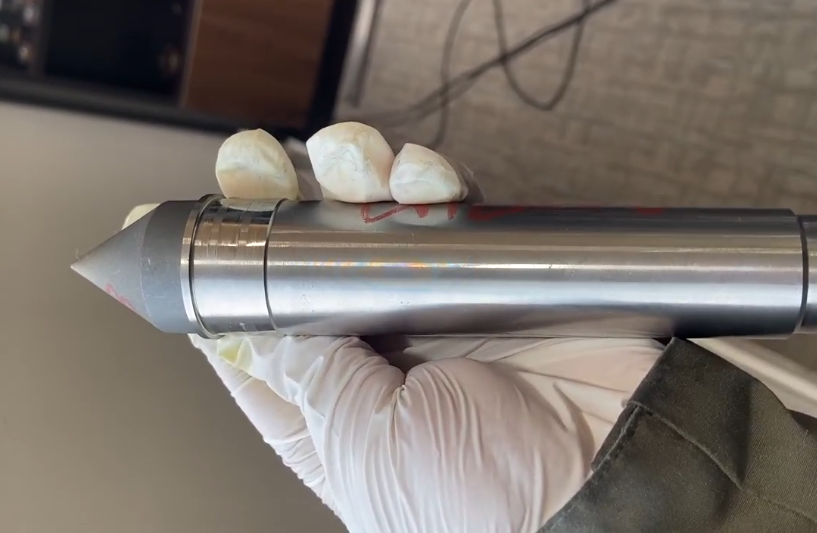
Introduction: Role of CR12MoV Steel and Tungsten Carbide in High-Performance Tools CR12MoV steel combined with tungsten carbide is widely used in the tools and dies industry due to its exceptional hardness, wear resistance, and durability. These materials are critical for high-performance cutting, stamping, and forming tools that demand long-lasting precision. In India, manufacturers are increasingly focusing on advanced processes like vacuum brazing to enhance the performance of these materials, ensuring superior joint strength and consistent quality for industrial applications. Vacuum brazing has become a preferred method for joining CR12MoV steel with tungsten carbide, particularly in critical tooling applications.
Benefits of Vacuum Brazing for CR12MoV and Tungsten Carbide Vacuum brazing provides a clean, precise, and strong bond for CR12MoV steel and tungsten carbide. Commonly used filler materials include silver-based alloys, copper-phosphorus alloys, and nickel-based fillers, chosen for their excellent wetting properties, thermal compatibility, and high joint strength. The vacuum environment prevents oxidation, ensures uniform heating, and reduces thermal distortion, resulting in superior metallurgical joints. For Indian manufacturers, this process guarantees long-lasting, reliable tools and dies with reduced maintenance costs and enhanced productivity.
Normantherm Vacuum Furnaces: Optimized Solution for CR12MoV-Tungsten Carbide Brazing Normantherm’s vacuum furnaces are engineered to meet the demanding requirements of CR12MoV steel and tungsten carbide brazing. With advanced PLC controls, uniform heating, and precise vacuum regulation, Normantherm furnaces ensure consistent, contamination-free brazing results. Indian manufacturers can achieve high-strength joints, minimal distortion, and maximum performance, making Normantherm furnaces the ideal choice for tools and dies production.
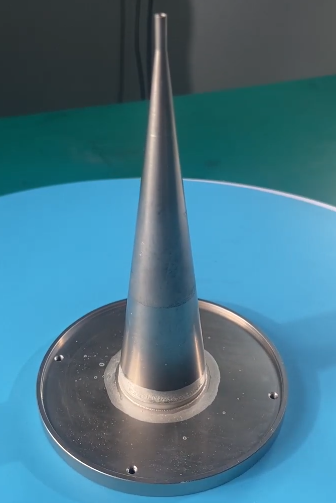
An ion source sampling cone sits at the front line of mass spectrometry. It faces high temperatures corrosive gases and constant mechanical stress. The weld quality determines whether the cone delivers accurate results or becomes a source of contamination and drift.
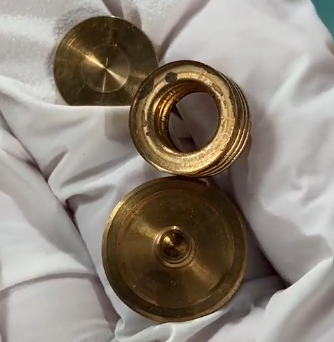
Beryllium copper is a high-performance copper alloy widely used in industries requiring a unique combination of electrical conductivity, strength, elasticity, and wear resistance.
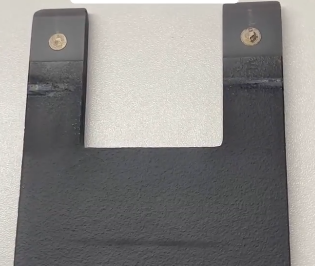
Silver contacts on silicon nitride ceramic heating plates take a beating. High temperatures thermal cycling and mechanical stress eventually take their toll. When the contact degrades heating performance suffers.