Comparison of H13 and Tungsten Carbide Before and After Vacuum Brazing
Normantherm•5/29/2026
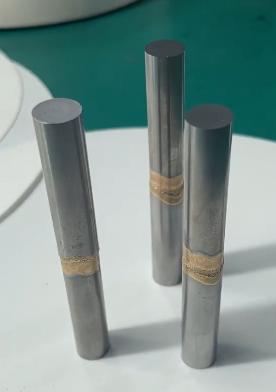
Before vacuum brazing H13 mold steel and tungsten carbide are just separate pieces. Two different materials sitting side by side but not yet working together. H13 brings toughness and thermal stability. Tungsten carbide delivers extreme hardness and wear resistance. On their own each has limits.
After vacuum brazing everything changes. The two materials become one finished component. The joint is clean continuous and strong. Tungsten carbide sits exactly where wear is worst. H13 supports it from behind absorbing shock and carrying structural loads.
The difference is visible in the finished result. The bond line is uniform with no voids or oxidation. The assembly feels solid because it is solid. Metallurgical bonding has joined the materials at the atomic level.
Wear resistance improves dramatically compared to H13 alone. The tungsten carbide surface handles abrasion that would destroy tool steel. Structural reliability improves compared to solid carbide which can be brittle. The H13 backing absorbs impacts that would crack a full carbide part.
This comparison demonstrates why vacuum brazing matters for high-performance tooling applications. Before brazing you have two materials. After brazing you have a solution.
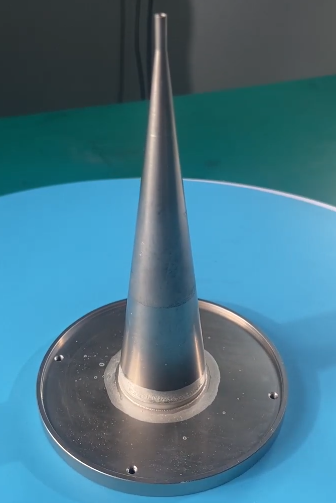
An ion source sampling cone sits at the front line of mass spectrometry. It faces high temperatures corrosive gases and constant mechanical stress. The weld quality determines whether the cone delivers accurate results or becomes a source of contamination and drift.
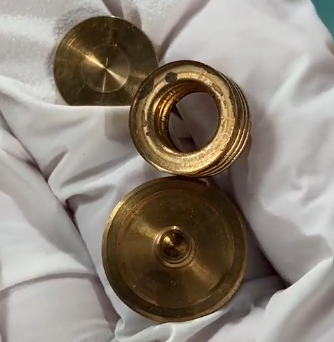
Beryllium copper is a high-performance copper alloy widely used in industries requiring a unique combination of electrical conductivity, strength, elasticity, and wear resistance.
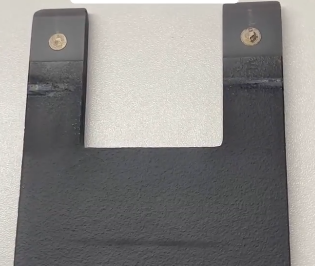
Silver contacts on silicon nitride ceramic heating plates take a beating. High temperatures thermal cycling and mechanical stress eventually take their toll. When the contact degrades heating performance suffers.