Cemented Carbide Balls & Precision Metal Components
Normantherm•12/3/2025
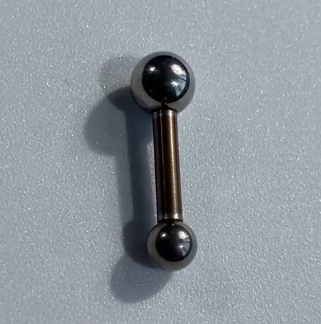
Cemented carbide balls and stainless-steel welded components play a critical role in the carbide tooling and precision engineering industry, especially in manufacturing hubs across India, such as Gujarat, Maharashtra, Tamil Nadu, and Punjab. These components are widely used in precision bearings, valve systems, pumps, high-performance machinery, and industrial tooling—where strength, wear resistance, and dimensional accuracy are essential.
Why Cemented Carbide Balls Are in High Demand
Cemented carbide is one of the hardest engineering materials used today. Indian manufacturers increasingly rely on carbide balls because they deliver:
Exceptional hardness and wear resistance
Long component life under continuous operation
High performance in abrasive and high-pressure environments
Reliable performance in automotive, tooling, mining, and valve applications
These balls must be produced with strict temperature control during sintering and heat treatment to achieve the required hardness, density, and structural integrity—making furnace selection a critical part of the manufacturing process.
The Role of Stainless Steel Welded Components
Stainless-steel welded parts are equally important in precision engineering, especially for industries that require:
Corrosion-resistant components
Strong welded joints
High-temperature performance
Clean and contamination-free surfaces
Whether used in instruments, industrial machinery, or advanced tooling, these components must undergo controlled heat treatment to stabilize welds and improve mechanical strength.
How Normantherm Supports the Carbide Tooling & Precision Component Industry
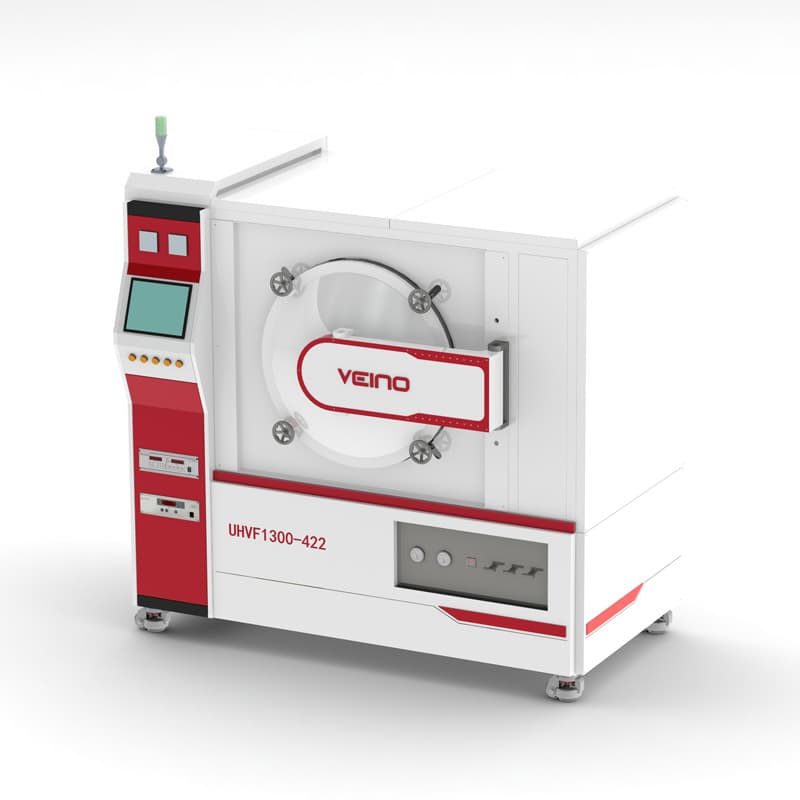
Normantherm provides advanced vacuum furnaces designed specifically for manufacturers dealing with carbide materials, stainless steels, and high-precision metal components. Our equipment ensures:
1. Perfect Temperature Uniformity
Critical for sintering cemented carbide balls and heat-treating stainless-steel welds without distortion.
2. Zero Oxidation and Zero Contamination
The vacuum environment prevents surface defects—essential for achieving mirror-finish carbide spheres.
3. High-Density, High-Strength Carbide Sintering
Normantherm vacuum furnaces help manufacturers consistently achieve target hardness, grain structure, and density.
4. Cost-Efficient Production for Indian Manufacturers
Indian industries, especially toolmakers and precision component suppliers, benefit from consistent output and reduced rejection rates.
5. Custom Furnace Solutions
From vacuum sintering furnaces for carbide balls to vacuum brazing and heat-treatment furnaces for stainless steel components, Normantherm offers machines tailored to production requirements.
Why Indian Manufacturers Choose Normantherm
As India expands its footprint in global precision engineering, demand for reliable thermal processing systems continues to rise. Normantherm supports this growth by providing:
Stable performance for long production cycles
Lower operating costs compared to traditional systems
Reliable after-sales service and support
Industry-specific furnace designs for carbide and steel components
Indian clients working in carbide tools, precision bearings, valves, and machinery have already seen significant improvements in quality and consistency through Normantherm furnaces.
Conclusion
Cemented carbide balls and stainless-steel welded parts are essential components that drive India’s rapidly growing precision engineering sector. With high accuracy, strength, and performance requirements, manufacturers need furnace technology that delivers consistent and controllable results.
Normantherm vacuum furnaces provide the technological backbone for producing these high-performance components—helping Indian industries achieve global standards with confidence.
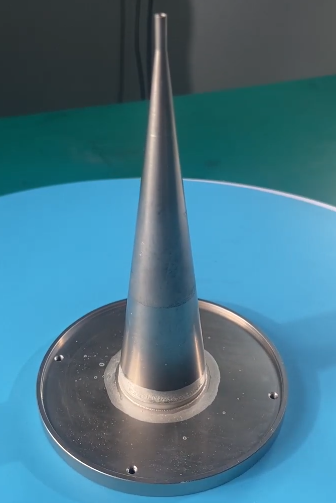
An ion source sampling cone sits at the front line of mass spectrometry. It faces high temperatures corrosive gases and constant mechanical stress. The weld quality determines whether the cone delivers accurate results or becomes a source of contamination and drift.
Beryllium copper is a high-performance copper alloy widely used in industries requiring a unique combination of electrical conductivity, strength, elasticity, and wear resistance.
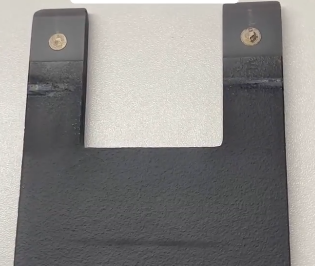
Silver contacts on silicon nitride ceramic heating plates take a beating. High temperatures thermal cycling and mechanical stress eventually take their toll. When the contact degrades heating performance suffers.