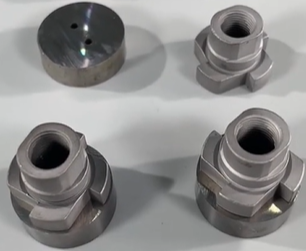
Cemented carbide is exceptionally hard and wear-resistant. SKD11 steel is tough and durable. Together they make a powerful material combination for cutting tools and dies. But joining them requires precision vacuum brazing to create a bond that is strong enough to handle real-world use.
The cemented carbide sits on the right side of the joint providing the cutting edge or wear surface. The SKD11 steel on the left side delivers structural support and impact resistance. Our vacuum brazing process joins these two materials without oxidation or contamination ensuring a clean consistent bond line that holds up under stress.
The result is strong bonding with excellent wear resistance and high mechanical stability. Each joint is engineered to withstand the forces of machining stamping or forming without separating or failing. The cemented carbide retains its hardness while the SKD11 steel absorbs shocks and loads.
This technology is ideal for cutting tools dies and high-performance industrial applications that require reliable joints between hard and tough materials. When you need a component that cuts precisely and lasts longer vacuum-brazed cemented carbide to SKD11 steel delivers.
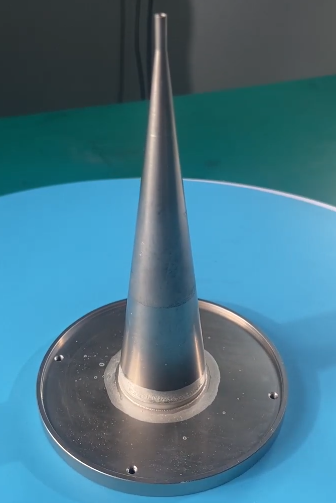
An ion source sampling cone sits at the front line of mass spectrometry. It faces high temperatures corrosive gases and constant mechanical stress. The weld quality determines whether the cone delivers accurate results or becomes a source of contamination and drift.
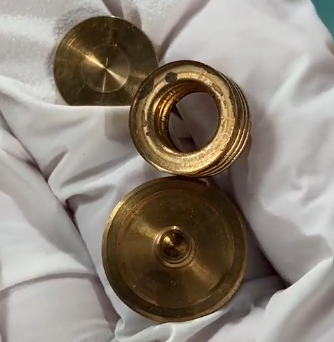
Beryllium copper is a high-performance copper alloy widely used in industries requiring a unique combination of electrical conductivity, strength, elasticity, and wear resistance.
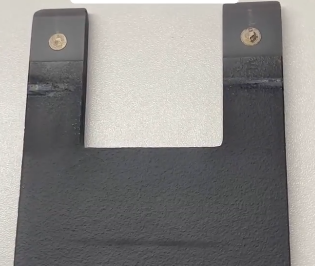
Silver contacts on silicon nitride ceramic heating plates take a beating. High temperatures thermal cycling and mechanical stress eventually take their toll. When the contact degrades heating performance suffers.