Before Brazing Tungsten Carbide Saw Blades — The Foundation of Precision Cutting Tools
Normantherm•11/12/2025
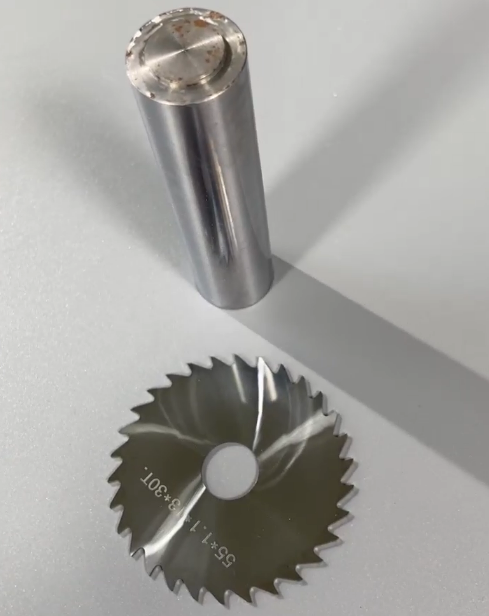
In the tool and die manufacturing industry, the performance of a saw blade is defined by the strength and precision of its joints. Tungsten carbide saw blades, widely used in metal cutting, wood processing, and machining applications, require flawless bonding between carbide tips and steel bases to ensure durability and sharpness.
At Normantherm, we understand that every precise cut begins with an exacting process — starting before brazing even begins.
The Role of Pre-Brazing Preparation
The pre-brazing stage is critical to achieving high-quality bonding. This phase involves:
Cleaning and aligning tungsten carbide tips.
Removing surface contaminants for optimal wetting.
Ensuring proper fitment between steel base and carbide segments.
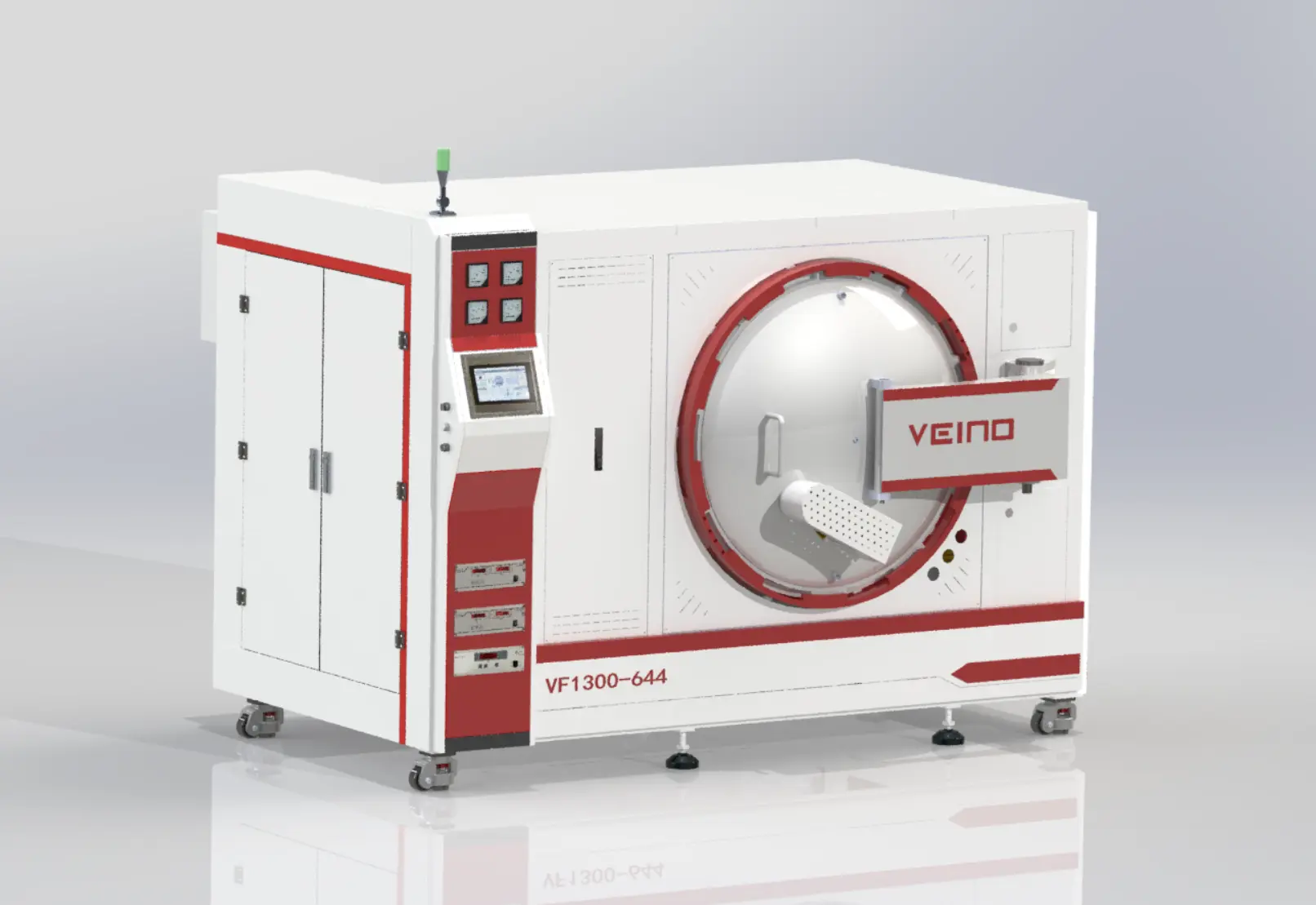
Even a minor imperfection in this stage can lead to uneven bonding, joint failure, or reduced tool life. Normantherm’s vacuum furnace systems are designed to control these variables with accuracy, guaranteeing consistency at every production stage.
Vacuum Brazing: Redefining Quality for Cutting Tools
Once prepared, the saw blades undergo vacuum brazing — a process that bonds the tungsten carbide to steel without oxidation or flux contamination. The benefits include:
- Oxidation-free joints ensuring material purity. - Uniform temperature control preventing deformation. - High bond strength, essential for high-speed cutting. - Enhanced tool durability and performance.
Normantherm’s precision furnaces maintain exact temperature profiles and vacuum levels, ensuring a strong metallurgical bond between materials — vital for saw blades used in heavy-duty cutting environments.
Normantherm’s Role in the Tool and Die Industry
As a trusted vacuum furnace manufacturer, Normantherm supports leading cutting tool producers across India and global markets. Our solutions are optimized for carbide, steel, and composite material bonding, helping industries achieve efficiency and reliability in tool production.
By providing customized vacuum brazing furnaces, Normantherm enables manufacturers to enhance productivity while maintaining tight quality standards demanded by the Indian and international tool-making sectors.
Applications of Tungsten Carbide Saw Blades
Metal Cutting and Fabrication Units
Automotive and Aerospace Component Machining
Wood and Composite Material Processing
Industrial Equipment Manufacturing
Tungsten carbide’s exceptional hardness and thermal stability make it a cornerstone material for precision cutting tools — ensuring minimal wear and longer operational life.
Why Indian Tool Manufacturers Choose Normantherm
As India’s manufacturing sector continues to expand, the demand for high-performance tools has risen sharply. Normantherm’s vacuum brazing furnaces help Indian companies meet international standards by ensuring:
Flux-free and oxidation-free joints
Precise temperature control and uniform bonding
Longer tool life with improved mechanical stability
Cost-efficient, repeatable production cycles
Conclusion: Setting the Foundation for Cutting Precision
The pre-brazing stage of tungsten carbide saw blades might appear routine, but it defines the success of every cut that follows. Through meticulous engineering and advanced vacuum furnace technology, Normantherm continues to drive innovation in the tool and die industry, enabling manufacturers in India and beyond to achieve new levels of quality, consistency, and performance.
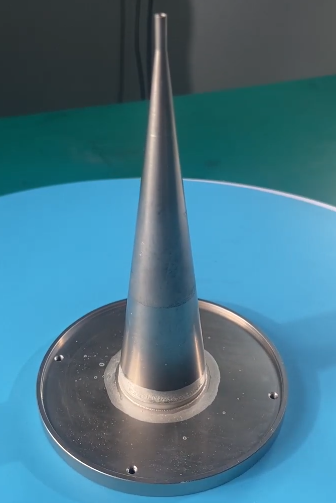
An ion source sampling cone sits at the front line of mass spectrometry. It faces high temperatures corrosive gases and constant mechanical stress. The weld quality determines whether the cone delivers accurate results or becomes a source of contamination and drift.
Beryllium copper is a high-performance copper alloy widely used in industries requiring a unique combination of electrical conductivity, strength, elasticity, and wear resistance.
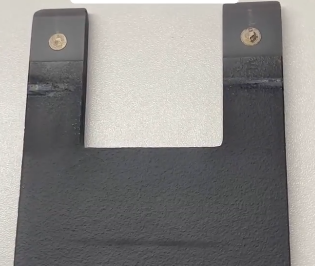
Silver contacts on silicon nitride ceramic heating plates take a beating. High temperatures thermal cycling and mechanical stress eventually take their toll. When the contact degrades heating performance suffers.