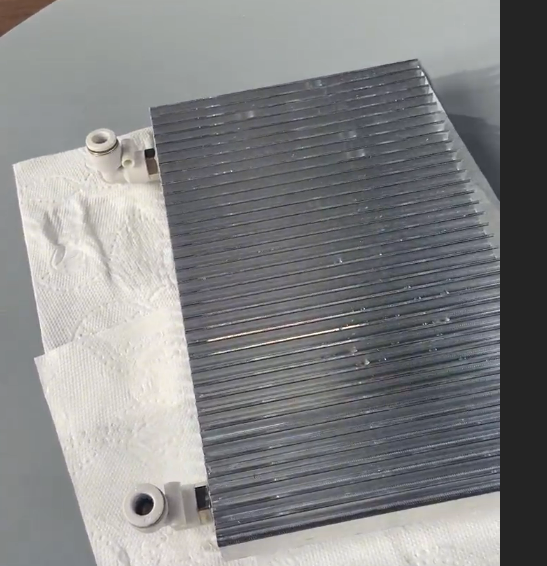
6063 Series Aluminum Finned Heat Exchangers Vacuum Brazed for High-Pressure Applications
Normantherm•12/22/2025
6063 series aluminum finned heat exchangers are widely used in HVAC systems, industrial cooling equipment, power generation, and energy management applications. Known for their excellent thermal conductivity, corrosion resistance, and lightweight structure, these heat exchangers play a critical role in efficient heat transfer and system reliability.
For high-performance applications, the quality of the finished product depends heavily on the vacuum brazing process. Precision brazing ensures strong joints, uniform heat transfer, and reliable pressure resistance — even under demanding operating conditions up to 2.5 MPa.
Why 6063 Aluminum Is Ideal for Heat Exchangers
6063 aluminum alloy is commonly selected for finned heat exchangers due to its balanced mechanical and thermal properties. It offers:
High thermal conductivity for efficient heat transfer
Good corrosion resistance in HVAC and industrial environments
Excellent formability for complex fin and tube structures
Lightweight design supporting compact system layouts
Stable mechanical performance under pressure
These characteristics make 6063 aluminum well-suited for modern thermal management systems.
Role of Vacuum Brazing in Finished Heat Exchanger Quality
Vacuum brazing is a critical process in producing high-quality aluminum heat exchangers. Unlike conventional brazing methods, vacuum brazing eliminates flux usage and oxidation, resulting in clean and consistent joints.
Key benefits include:
Oxide-free brazed joints with high structural integrity
Uniform bonding between fins and tubes
Improved pressure resistance up to 2.5 MPa
Enhanced thermal efficiency across the heat exchanger
Reduced post-brazing cleaning and processing
This ensures that the finished product meets stringent performance and durability requirements.
Relevance to India’s HVAC and Industrial Cooling Industry
India’s rapid urbanization, infrastructure development, and industrial expansion are driving strong demand for efficient HVAC systems and industrial cooling solutions. Aluminum finned heat exchangers are widely used in:
Commercial and residential HVAC units
Industrial chillers and cooling systems
Power equipment and energy systems
Data centers and process cooling applications
Manufacturers require heat exchangers that combine efficiency, durability, and pressure resistance while meeting global quality standards.
Normantherm’s Role in Aluminum Heat Exchanger Brazing
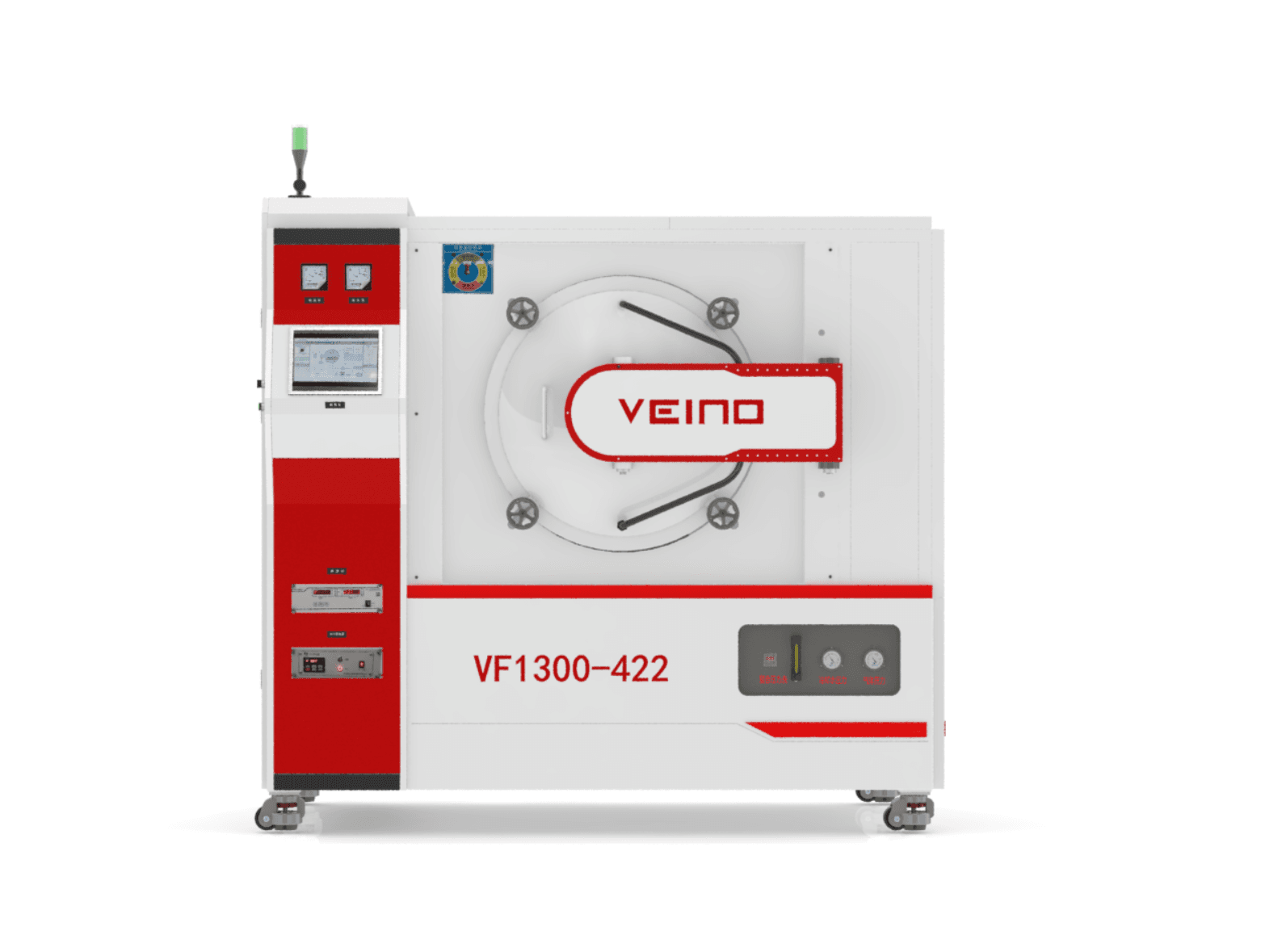
Normantherm provides advanced vacuum brazing furnaces specifically designed for aluminum heat exchanger manufacturing. Our systems offer:
High-vacuum, oxygen-free brazing environments
Uniform temperature distribution for complex assemblies
Strong, repeatable brazed joints
Stable pressure resistance for demanding applications
Scalable solutions for batch and mass production
By enabling precise process control, Normantherm helps Indian manufacturers produce high-quality 6063 aluminum finned heat exchangers with reliable thermal performance and long service life.
Conclusion
Finished 6063 series aluminum finned heat exchangers produced through vacuum brazing deliver high thermal efficiency, structural stability, and pressure resistance up to 2.5 MPa. With advanced vacuum brazing technology and proven furnace solutions, Normantherm supports India’s HVAC and industrial cooling industries in manufacturing reliable, high-performance heat exchanger systems.
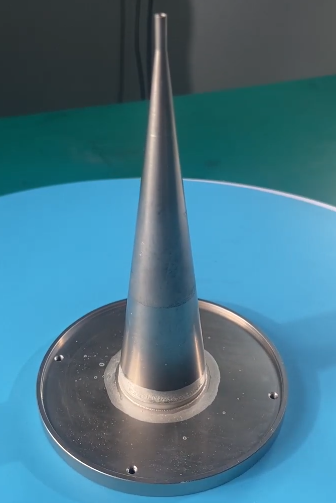
An ion source sampling cone sits at the front line of mass spectrometry. It faces high temperatures corrosive gases and constant mechanical stress. The weld quality determines whether the cone delivers accurate results or becomes a source of contamination and drift.
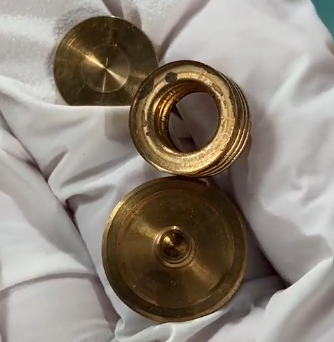
Beryllium copper is a high-performance copper alloy widely used in industries requiring a unique combination of electrical conductivity, strength, elasticity, and wear resistance.
Silver contacts on silicon nitride ceramic heating plates take a beating. High temperatures thermal cycling and mechanical stress eventually take their toll. When the contact degrades heating performance suffers.