302 Stainless Steel Sewing Needles – Heat Treatment for Maximum Hardness & Durability
Normantherm•3/27/2026
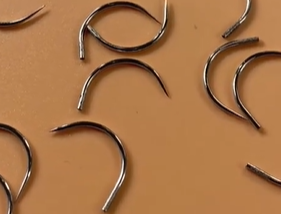
A sewing needle endures tremendous stress in its lifetime. It pierces materials thousands of times per minute withstands friction at high speeds and must remain sharp enough to deliver consistent stitch quality. For 302 stainless steel sewing needles achieving that level of performance comes down to one critical step: precision heat treatment.
302 stainless steel is valued for its corrosion resistance and formability but in its raw state it lacks the hardness needed for demanding sewing applications. Through a carefully controlled process of heating quenching and tempering we transform the microstructure of the steel to unlock its full potential.
The process begins with controlled heating that prepares the material for transformation. Rapid quenching locks in a hardened structure that provides the needle with exceptional wear resistance. Tempering then follows to relieve internal stresses and balance hardness with the toughness required to resist breaking during high-speed operation.
The result is a needle optimized for continuous use. It maintains its sharp edge longer resists wear from abrasive materials and holds up under the demands of textile manufacturing embroidery machines and industrial sewing equipment. Every needle delivers the durability and consistency that high-volume production requires.
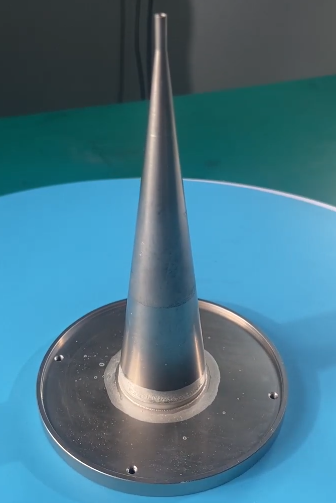
An ion source sampling cone sits at the front line of mass spectrometry. It faces high temperatures corrosive gases and constant mechanical stress. The weld quality determines whether the cone delivers accurate results or becomes a source of contamination and drift.
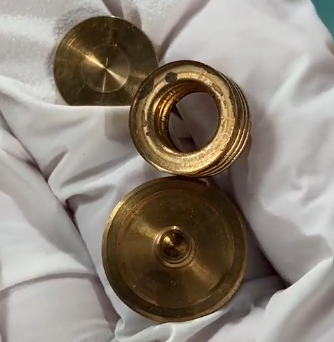
Beryllium copper is a high-performance copper alloy widely used in industries requiring a unique combination of electrical conductivity, strength, elasticity, and wear resistance.
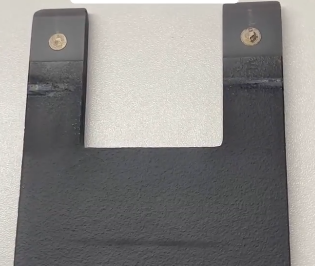
Silver contacts on silicon nitride ceramic heating plates take a beating. High temperatures thermal cycling and mechanical stress eventually take their toll. When the contact degrades heating performance suffers.