Welding of Kovar Alloy and Alumina Ceramics – Building the Backbone of Reliable Electronics
Normantherm•9/22/2025
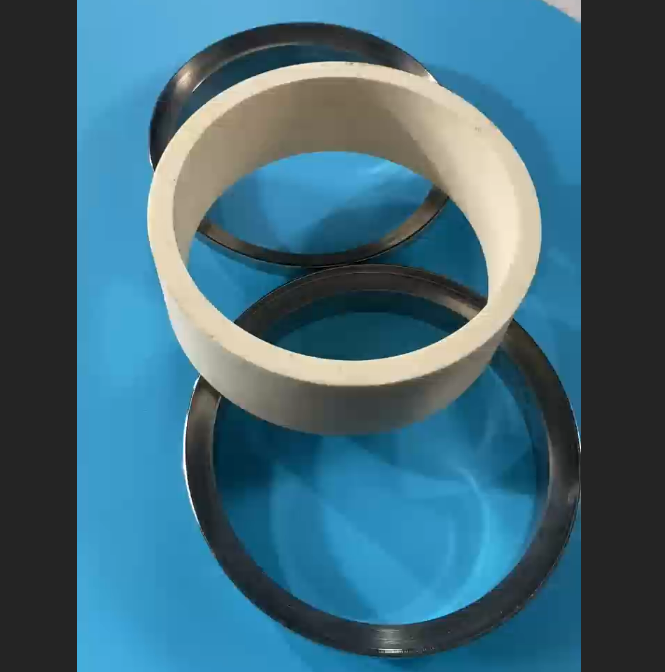
In the electronics industry, precision and reliability are non-negotiable. Many advanced devices, from sensors to microelectronics, require materials with both thermal stability and hermetic sealing to protect sensitive components from environmental damage. This is where the welding of Kovar alloy and alumina ceramics becomes essential.
Kovar alloy, known for its low coefficient of thermal expansion, matches closely with that of alumina ceramics, making it the ideal material for vacuum-tight seals. When combined through vacuum brazing, the result is a strong, non-flaking, and hermetically sealed bond that ensures long-term stability under extreme conditions.
At Normantherm, we design and manufacture high-performance vacuum brazing furnaces that make this process possible. Our technology ensures:
Clean, oxide-free joints without the use of flux.
High mechanical strength suitable for electronic hermetic packages.
Reliable vacuum seals for semiconductors, sensors, and microelectronic housings.
By enabling manufacturers to achieve precision bonding of Kovar alloy with alumina ceramics, Normantherm directly supports the electronics industry’s demand for miniaturization, durability, and reliability.
With our furnaces, clients achieve consistent results, enhanced productivity, and long-term product performance – ensuring that the electronics industry continues to innovate with confidence.
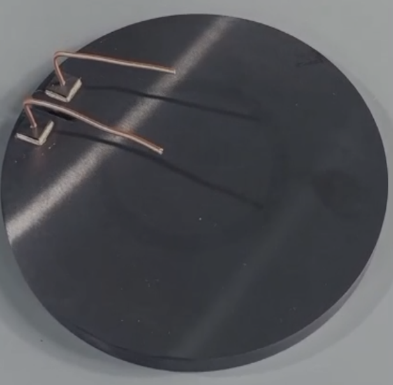
Silicon carbide heating plate electrode welding is a specialized joining process used to manufacture high-performance heating components for vacuum furnaces, semiconductor equipment, and industrial thermal systems.
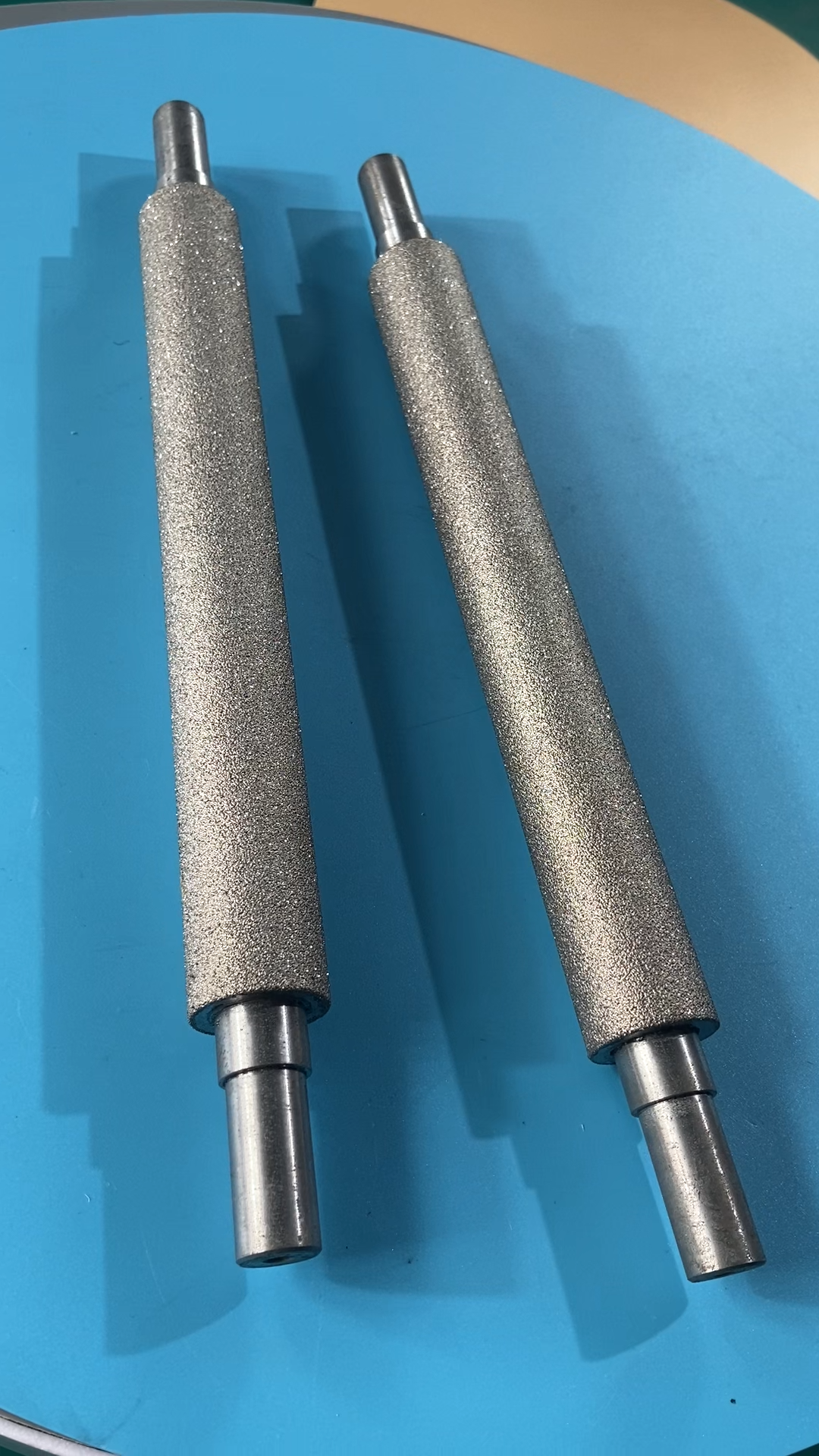
A diamond tool is only as good as the bond holding the diamonds in place. Weak bonding means diamonds pull out early and tool life drops. Precision brazing solves that problem.
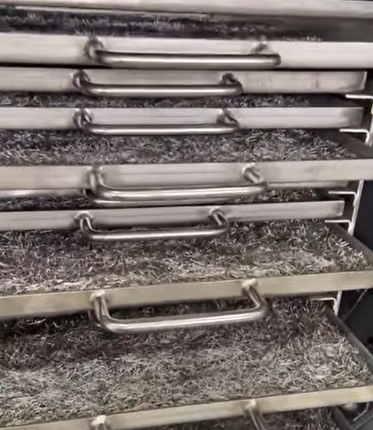
Heat treatment of 316L stainless steel is an important process used to improve corrosion resistance, relieve internal stresses, and maintain the material’s mechanical properties for industrial applications.