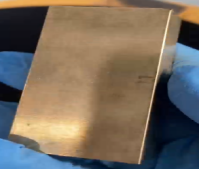
Brass heat treatment is an essential metallurgical process used to enhance the mechanical and structural properties of brass alloys, which are primarily composed of copper and zinc. The main objectives of heat treating brass are to relieve internal stresses, improve ductility, and restore workability after cold forming or machining.
The most common process used is annealing, where brass is heated to a temperature between 450°C and 650°C, held for a specific time, and then slowly cooled. This treatment softens the material, making it easier to bend, draw, or machine without cracking. In some cases, stress relieving is performed at lower temperatures to remove residual stresses from manufacturing operations.
Proper heat treatment ensures that brass components maintain consistent dimensions, enhanced corrosion resistance, and long service life. It is widely applied in the production of electrical fittings, valves, musical instruments, precision components, and decorative hardware, where both formability and aesthetic quality are important. By controlling temperature and cooling rates, manufacturers can tailor the microstructure of brass to meet the exact performance requirements of industrial and consumer applications.
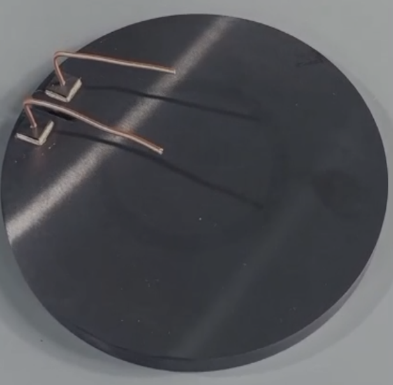
Silicon carbide heating plate electrode welding is a specialized joining process used to manufacture high-performance heating components for vacuum furnaces, semiconductor equipment, and industrial thermal systems.
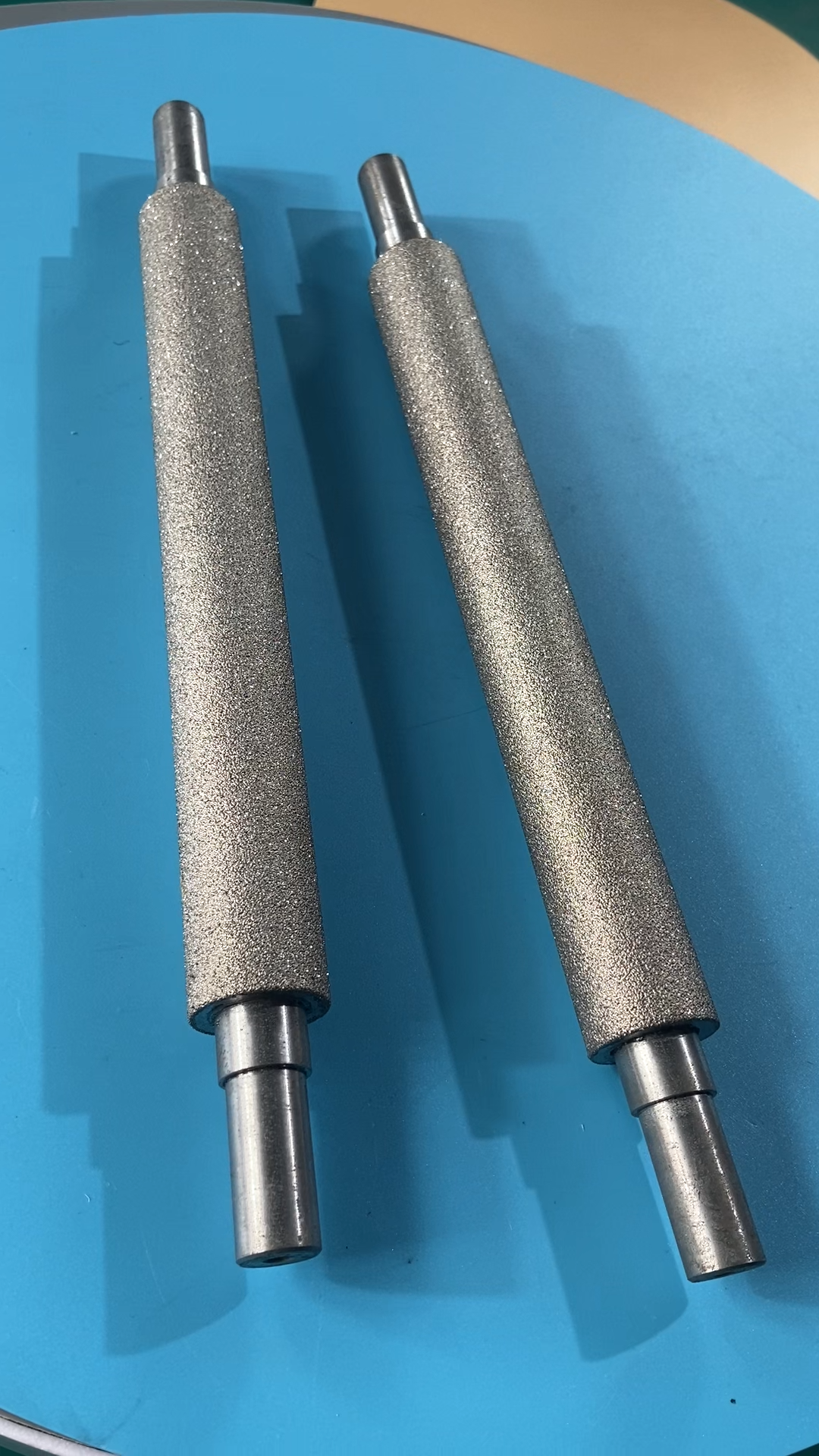
A diamond tool is only as good as the bond holding the diamonds in place. Weak bonding means diamonds pull out early and tool life drops. Precision brazing solves that problem.
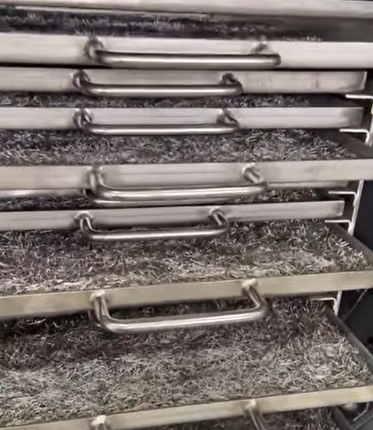
Heat treatment of 316L stainless steel is an important process used to improve corrosion resistance, relieve internal stresses, and maintain the material’s mechanical properties for industrial applications.