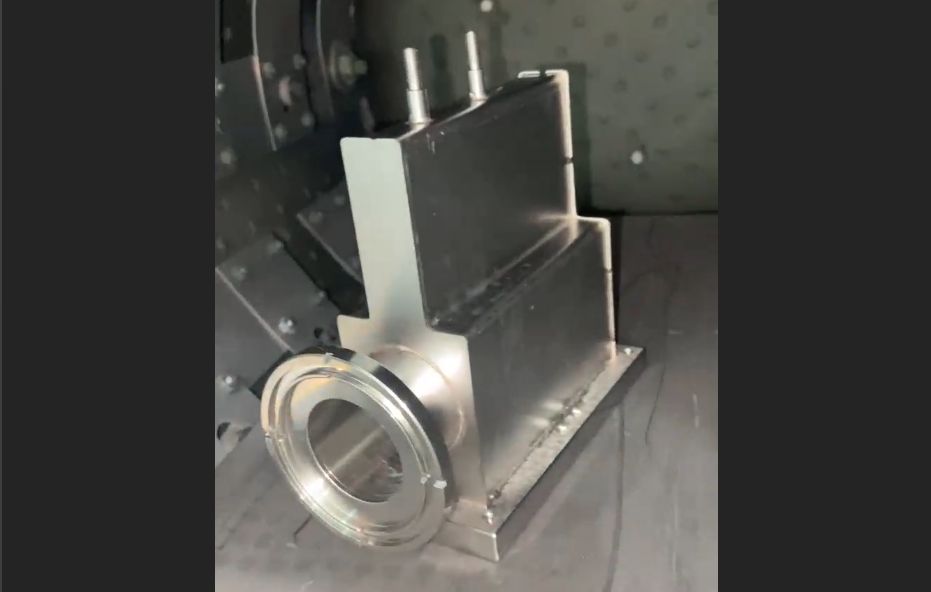
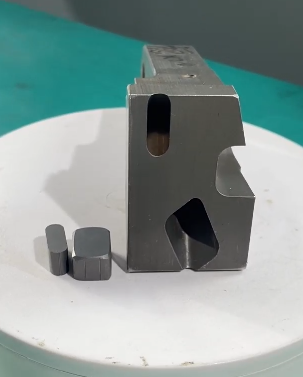
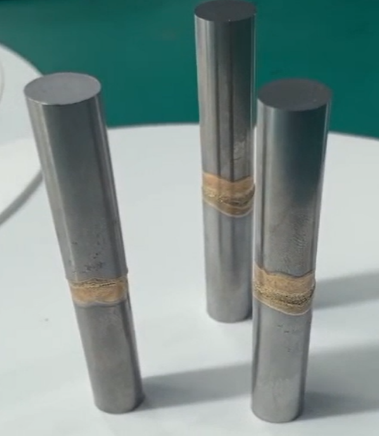
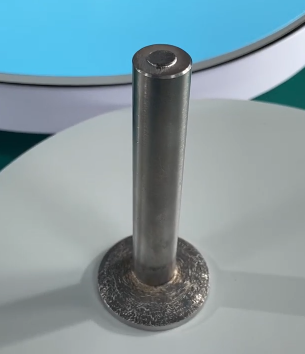
304 stainless steel vacuum chambers and flange assemblies are used in equipment where controlled vacuum environments are required. Manufacturing these assemblies can involve joining multiple stainless steel components while maintaining dimensional accuracy, cleanliness, and reliable joint performance.
Vacuum brazing of 304 stainless steel vacuum chambers and flange assemblies provides a controlled method for joining complex components inside a furnace environment. The process can be particularly useful when multiple joints must be brazed simultaneously or when minimizing oxidation and post-brazing cleaning is important.
Why Use 304 Stainless Steel for Vacuum Chambers?
304 stainless steel is widely used in industrial and laboratory equipment because of its corrosion resistance, mechanical properties, and fabrication characteristics.
For vacuum equipment, stainless steel can be used to manufacture chamber bodies, flanges, tubing, fittings, and other structural components. These parts may require precise joining to create the desired chamber geometry. The final assembly must be compatible with the intended vacuum conditions and operating environment, making the quality of the joints an important consideration.
Vacuum Brazing of Stainless Steel Chamber and Flange
A vacuum chamber and flange assembly can contain multiple joining surfaces. Before brazing, the 304 stainless steel components are cleaned and accurately positioned. A suitable brazing filler metal is selected according to the stainless steel grade, joint design, operating temperature, vacuum requirements, and other application conditions.
The assembly is then loaded into a vacuum brazing furnace. The chamber is evacuated before the controlled heating cycle begins. As the assembly reaches the required brazing temperature, the filler metal melts and flows into the prepared joints.
After the required brazing stage, the assembly is cooled under controlled conditions. The exact filler metal and thermal cycle should be determined through process development based on the component design and required service conditions.