Vacuum Brazing of YG10 Carbide and Titanium Alloy.
Normantherm•12/19/2025
Vacuum brazing of YG10 carbide and titanium alloy is a specialized joining process used to achieve high-strength and reliable joints between these dissimilar materials. YG10 carbide, known for its high hardness and wear resistance, is difficult to join by conventional methods, while titanium alloys are highly reactive at elevated temperatures. Vacuum brazing provides an ideal oxygen-free environment that prevents oxidation and ensures clean bonding surfaces.
In this process, a suitable active brazing filler metal is placed between the YG10 carbide and titanium alloy components. The assembly is heated uniformly in a vacuum furnace to the brazing temperature, allowing the filler metal to wet both materials and form a strong metallurgical bond. Controlled heating and cooling minimize thermal stress and distortion. This technique is widely used in cutting tools, aerospace components, and high-performance industrial parts where strength, precision, and durability are critical.
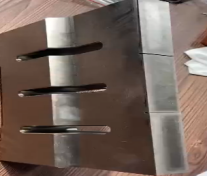
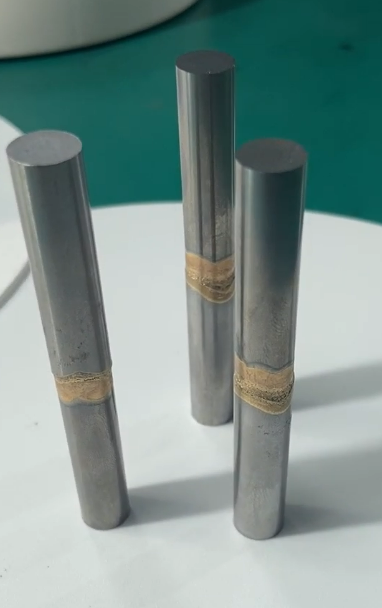
The components shown above are H13 tool steel and tungsten carbide assemblies processed in a Normantherm vacuum brazing furnace. This material combination is commonly used in punching tools, wear parts, forming dies, and cutting applications where both toughness and wear resistance are required.
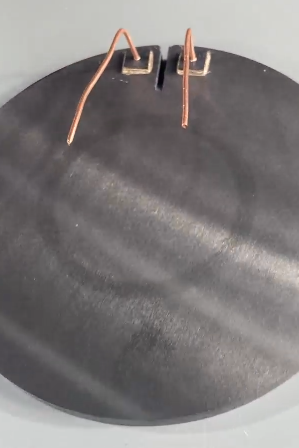
A silicon carbide heating plate is built for extreme temperatures. But the electrode connection is often the weakest link. Poor welding creates resistance heat buildup and premature failure.
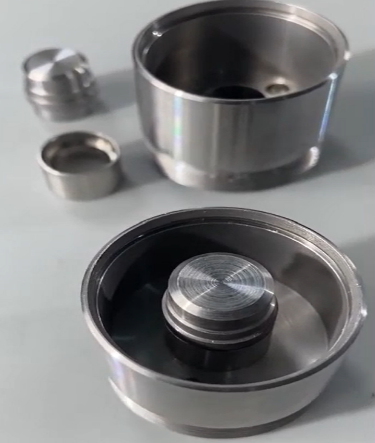
Vacuum brazing of carbon steel with stainless steel is an advanced joining process widely used in industrial, automotive, aerospace, and precision engineering applications where high-strength and leak-free assemblies are required.