Tin bronze, an alloy primarily composed of copper and tin, is widely used for bearings, bushings, gears, and wear-resistant components due to its excellent strength, corrosion resistance, and antifriction properties. Heat treatment of tin bronze is carried out to optimize mechanical properties, improve microstructure, and enhance service performance depending on the application.
Unlike steels, tin bronze is not hardened by quenching. Instead, heat treatment mainly involves homogenizing, stress relieving, and annealing processes. Homogenization heat treatment is performed at elevated temperatures to eliminate chemical segregation formed during casting and to improve structural uniformity. Annealing is used to restore ductility, reduce hardness, and improve machinability by relieving internal stresses and refining the grain structure.
Stress-relief heat treatment is commonly applied after machining or forming operations to minimize residual stresses and reduce the risk of distortion during service. Controlled heating and cooling ensure stable dimensions and consistent performance. Proper heat treatment of tin bronze results in improved wear resistance, dimensional stability, and longer service life, making it suitable for demanding industrial and marine applications.
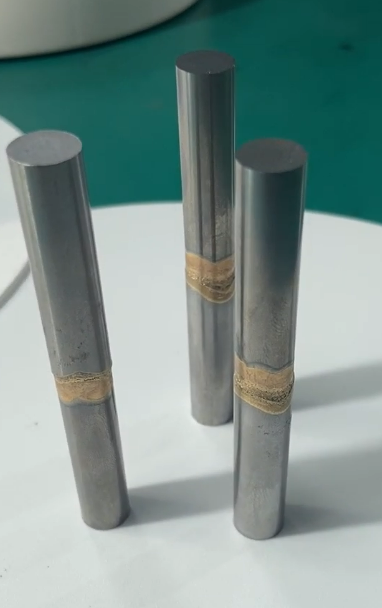
The components shown above are H13 tool steel and tungsten carbide assemblies processed in a Normantherm vacuum brazing furnace. This material combination is commonly used in punching tools, wear parts, forming dies, and cutting applications where both toughness and wear resistance are required.
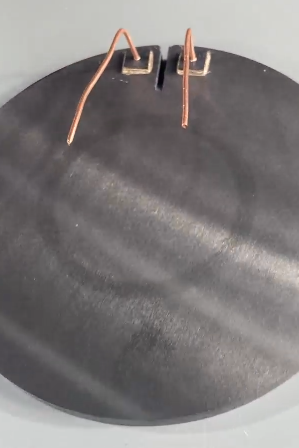
A silicon carbide heating plate is built for extreme temperatures. But the electrode connection is often the weakest link. Poor welding creates resistance heat buildup and premature failure.
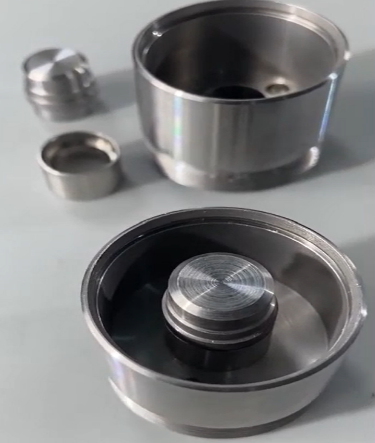
Vacuum brazing of carbon steel with stainless steel is an advanced joining process widely used in industrial, automotive, aerospace, and precision engineering applications where high-strength and leak-free assemblies are required.