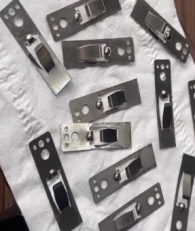
Heat treatment plays a critical role in ensuring the performance and durability of nickel-plated alloy springs. Alloy springs are first heat treated through processes such as quenching, tempering, or stress relieving to achieve the required hardness, elasticity, and fatigue resistance. This primary heat treatment is always carried out before nickel plating, as high temperatures can damage or degrade the plated layer.
After nickel plating, springs typically undergo a low-temperature baking or post-plating heat treatment. This step helps to relieve residual stresses, improve coating adhesion, and, most importantly, reduce the risk of hydrogen embrittlement introduced during the plating process. The temperature and duration are carefully controlled to protect the nickel coating while maintaining the spring’s mechanical properties.
Proper sequencing and control of heat treatment ensure that nickel-plated alloy springs deliver reliable performance, corrosion resistance, and long service life in demanding applications.
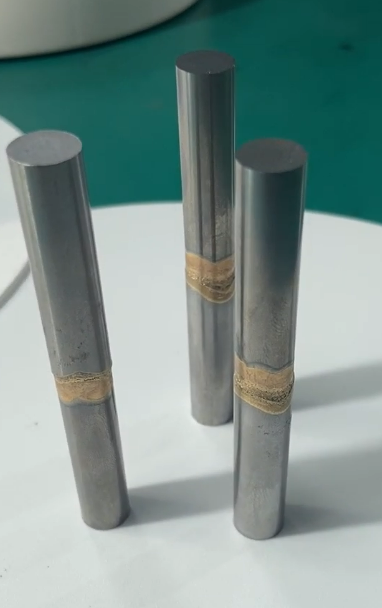
The components shown above are H13 tool steel and tungsten carbide assemblies processed in a Normantherm vacuum brazing furnace. This material combination is commonly used in punching tools, wear parts, forming dies, and cutting applications where both toughness and wear resistance are required.
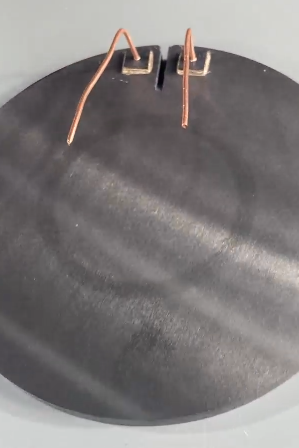
A silicon carbide heating plate is built for extreme temperatures. But the electrode connection is often the weakest link. Poor welding creates resistance heat buildup and premature failure.
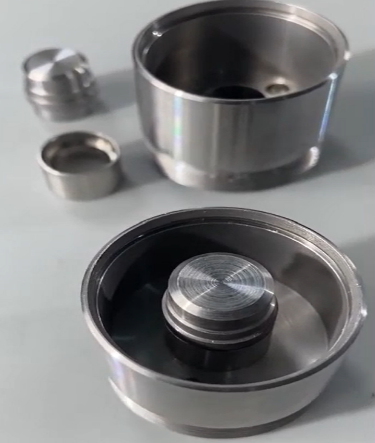
Vacuum brazing of carbon steel with stainless steel is an advanced joining process widely used in industrial, automotive, aerospace, and precision engineering applications where high-strength and leak-free assemblies are required.