
Vacuum Demagnetization of 316 Stainless Steel for the Medical Device Industry

316 stainless steel is widely used in the medical device and surgical instrument industry because of its corrosion resistance, biocompatibility, and mechanical strength. It is commonly found in:
- Surgical tools and forceps
- Orthopedic and dental instruments
- Fixtures and components used around imaging and diagnostic equipment
However, during processes such as machining, grinding, forming, and cold working, even austenitic grades like 316 stainless steel can develop slight residual magnetism. For many high-precision medical applications, this is not acceptable.
Why Demagnetization Matters in Medical Manufacturing
In medical and healthcare environments, residual magnetism in stainless steel components can cause several issues:
- Interference in imaging environments (such as MRI)
- Attraction of small metallic particles, which can affect hygiene and function
- Unwanted interaction with other magnetic tools or surfaces
- Problems in precision positioning systems used in surgery or diagnostics
To ensure safe and reliable performance, manufacturers often need to reduce or eliminate magnetism in small 316 stainless steel workpieces after forming and machining.
Vacuum Heat Treatment for Demagnetization
Vacuum heat treatment is one of the most effective methods to reduce magnetism in stainless steel components. By using a controlled high-vacuum environment and precise temperature cycles, it is possible to:
- Relieve internal stresses induced during cold working
- Help the material return closer to its original austenitic structure
- Reduce magnetic permeability and residual magnetism
- Maintain a clean, oxide-free surface, ideal for medical use
Compared to open-air or conventional furnace methods, vacuum systems provide a much cleaner environment, which is important for parts going into medical devices and surgical tools.
Normantherm’s Role in Medical-Grade Demagnetization
Normantherm’s vacuum furnaces are designed to support advanced heat treatment needs of the medical device manufacturing industry, including demagnetization of small 316 stainless steel workpieces.
Key benefits of using Normantherm vacuum systems include:
- High and stable vacuum levels to prevent oxidation and contamination
- Accurate temperature control to achieve consistent demagnetization results
- Uniform heating, even for small and complex-shaped components
- Compatibility with various stainless steel grades used in medical and dental instruments
By integrating Normantherm equipment, manufacturers can improve the magnetic performance and surface quality of their parts, making them more suitable for critical medical applications.
Supporting Indian Medical Device Manufacturers
India’s medical device and surgical instrument industry is growing rapidly, serving both domestic hospitals and international markets. As manufacturers move up the value chain into high-precision, export-ready products, the demand for advanced vacuum heat treatment and demagnetization processes is increasing.
Normantherm supports Indian manufacturers by:
- Providing reliable vacuum demagnetization solutions for 316 stainless steel and other medical-grade alloys
- Helping improve compliance with global quality and performance standards
- Enabling stable, repeatable treatment for batch and continuous production
With the right vacuum furnace technology, Indian medical manufacturers can produce instruments and components that perform reliably in demanding clinical and diagnostic environments.
Conclusion
The process shown in the vacuum heat treatment of small 316 stainless steel workpieces with slight magnetism is more than just a technical step—it is a critical quality enhancement for medical devices and surgical instruments.
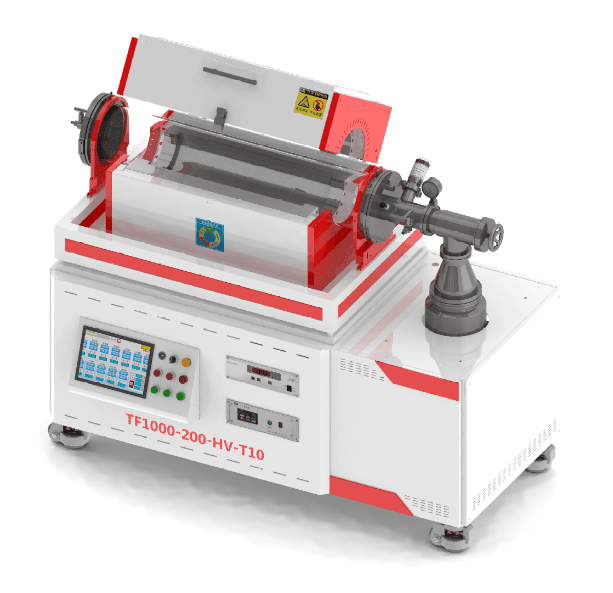
By using Normantherm vacuum furnaces for demagnetization, manufacturers can ensure their stainless steel components meet the stringent requirements of modern healthcare applications, especially in advanced and export-oriented markets.