
Vacuum Brazing of Mandrels for High-Pressure Rotary Joints (Tungsten Carbide & Stainless Steel)
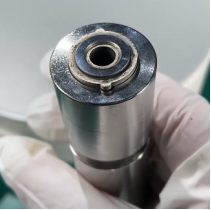
High-pressure rotary joints put extreme demands on every component. The mandrel must seal tightly spin smoothly and resist wear over thousands of operating hours. Tungsten carbide and stainless steel form an ideal material pairing for this job. Precision vacuum brazing makes that pairing work.
Tungsten carbide provides the hard wear-resistant surface that sealing faces need. Stainless steel delivers the structural strength corrosion resistance and machinability required for the rest of the mandrel. Brazing them together creates a single component that does it all without the weaknesses of mechanical assembly or adhesive bonding.
The vacuum brazing process is essential here. The vacuum environment eliminates oxidation and contamination allowing the filler metal to create a strong metallurgical bond between two very different materials. Precise thermal control prevents cracking and ensures the joint line is consistent from end to end.
The result is strong metallurgical bonding with excellent wear resistance and reliable sealing under high-pressure conditions. Each mandrel is engineered for durability stability and long service life in demanding industrial environments. When your rotary joints must perform reliably day after day vacuum-brazed tungsten carbide to stainless steel mandrels deliver.